
Summary: A homeowner-friendly guide to the most common invaders in Washington and Oregon, what attracts them indoors, and practical prevention steps to reduce pest pressure year-round.
If you live in Washington or Oregon, you already know the Pacific Northwest has its own brand of pest pressure. Mild temperatures, steady moisture, and lots of greenery make it easy for pests to thrive. Add in shipping, travel, and constant construction, and it is no surprise that new bugs and rodents keep showing up where they do not belong.
In this guide, we will break down the invasive pests in the Pacific Northwest that homeowners most often deal with, what makes them hard to control, and the smartest ways to reduce risk year-round.
Why Invasive Pests Hit PNW Homes So Hard

The Pacific Northwest is a perfect overlap of shelter, moisture, and food. Our rainy seasons create damp crawl spaces, soggy mulch beds, and lush landscaping, all of which are attractive to insects and the predators that feed on them.
On top of that, many invaders are excellent hitchhikers. They move in packing materials, vehicles, firewood, potted plants, and even inside outdoor furniture. Once they find a warm wall void or a protected crawl space, they can settle in quickly and become a recurring Pacific Northwest pest problem.
Common Invasive Pests in the PNW and the Issues They Cause
When people hear “invasive,” they often picture agricultural pests. But from a homeowner perspective, the bigger headache is the pests that invade structures, contaminate food, and turn normal living spaces into a constant battle.
Below are a few of the common invasive pests in the PNW that show up around homes, plus the damage or nuisance they can bring with them:
- Ants
- Spiders
- Brown marmorated stink bugs
- European earwigs
- Rodents, like Norway rats
Ants
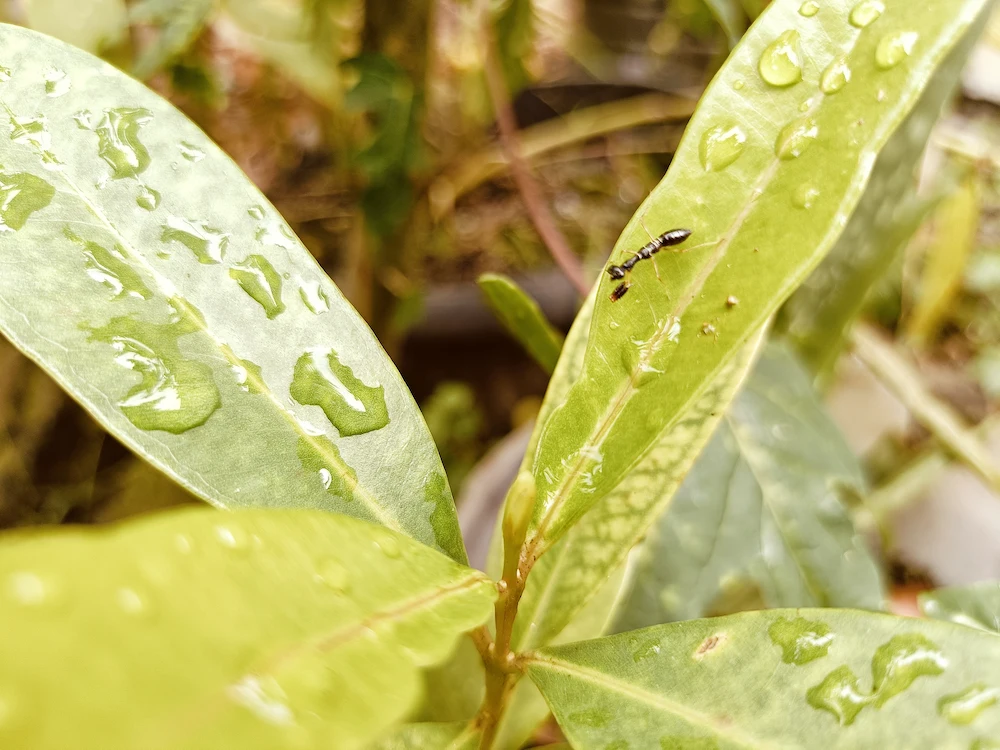
Odorous house ants and carpenter ants are two of the most frequent invaders, and both can be stubborn once they establish trails indoors. Odorous house ants are known for kitchen and pantry traffic, especially when weather changes push them to hunt for moisture.
Carpenter ants are a bigger concern because they excavate wood to build galleries, which can compound existing moisture or rot issues. If you want a deeper look at treatment options and what to expect from a professional inspection, see Pointe’s residential ant control services.
Spiders
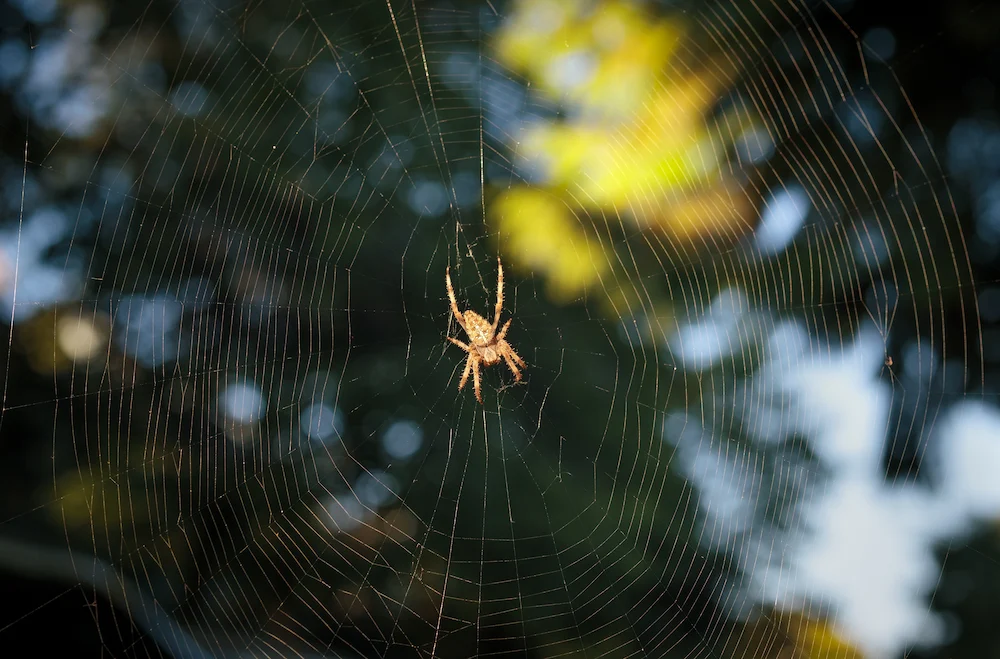
PNW homes often have plenty of spider habitat, from garages and crawl spaces to stacked firewood and cluttered storage. While many species are more nuisance than danger, spider activity is a signal that other insects are present.
That is why ants and spiders in Pacific Northwest homes often spike at the same time. When prey insects increase, spider numbers follow. Pointe’s residential spider control page explains how a targeted plan helps reduce both spiders and the insects that attract them.
Brown Marmorated Stink Bugs
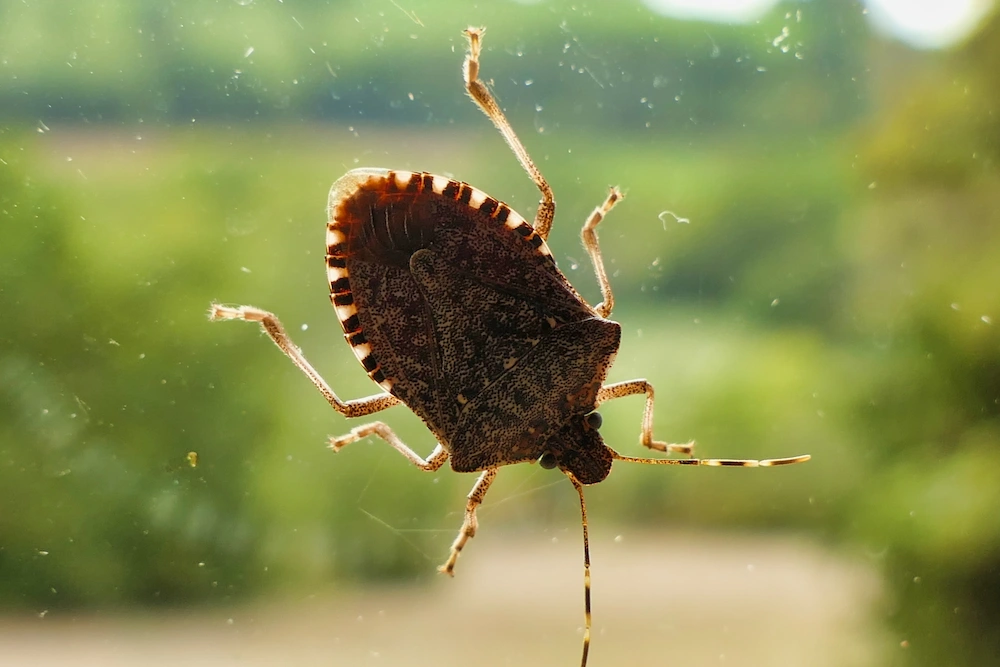
Brown marmorated stink bugs are a true invasive insect and a major fall nuisance. They gather on warm exterior walls and can slip inside through tiny gaps while searching for overwintering shelter.
They do not reproduce indoors the way some pests do, but large numbers in attics, wall voids, and windows can still be a miserable experience. In Washington and Oregon, homeowners often notice “swarm” behavior during warm stretches in late summer and fall.
European Earwigs
Earwigs love moisture. They hide under mulch, stones, planters, and wet leaf litter, then wander indoors at night. In yards, they can chew tender seedlings and flowers.
Inside, they are mostly a nuisance, but their sudden appearance in sinks, tubs, and basements catches people off guard. If earwigs show up regularly, it usually points to damp conditions close to the foundation or in the crawl space.
Rodents, Like Norway Rats
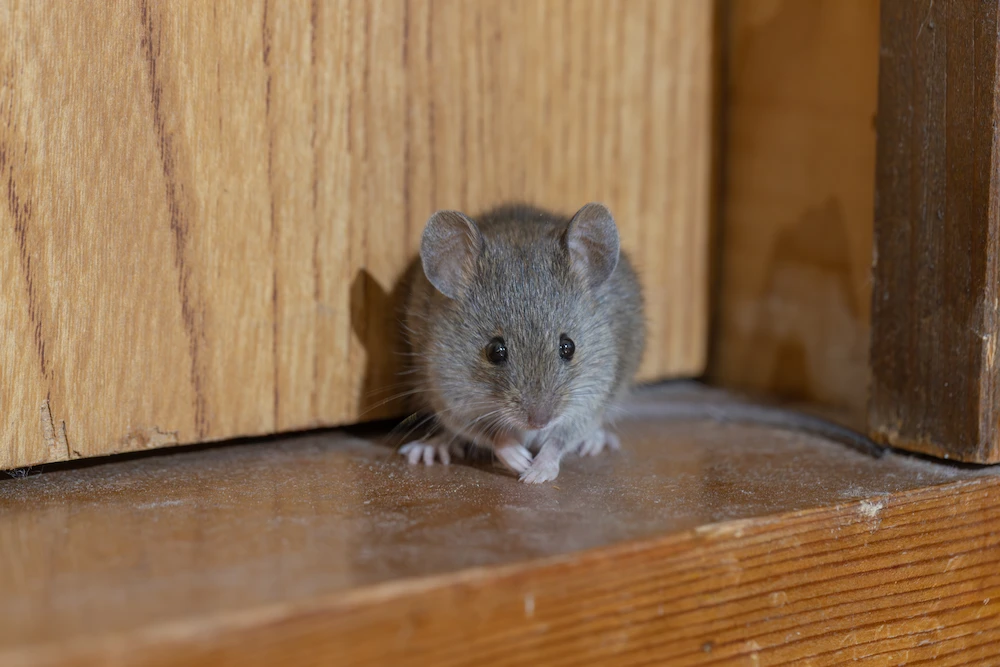
Rats and mice are not just “outdoor” pests, especially in cooler months. Norway rats are an introduced species that thrives around people, and they take advantage of unsecured garbage, pet food, crawl space access, and gaps around plumbing.
Beyond the obvious mess, rodents can damage wiring, insulation, and ductwork, and their activity tends to grow quietly until it is hard to ignore.
How Invasive Insects in Washington and Oregon Get Inside
Even though each pest has its own habits, most home invaders take advantage of the same weak spots. Once you know where they are coming from, the fix usually looks similar.
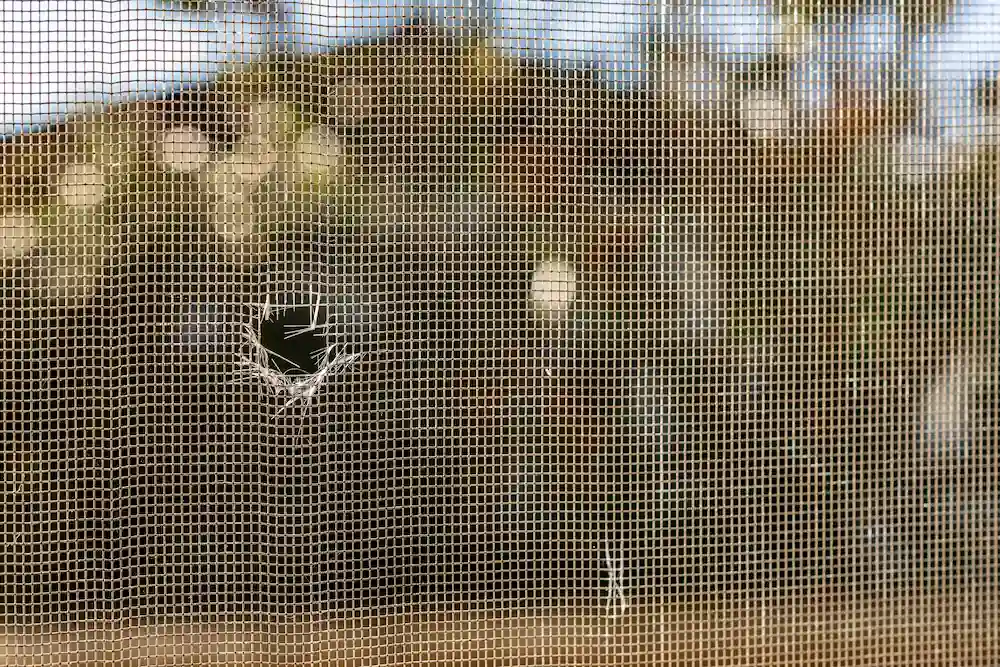
Start by thinking in three categories: entry points, moisture, and food. Entry points include gaps under doors, torn screens, cracks in siding, open vents, and unsealed utility penetrations. Moisture issues include leaking hose bibs, standing water in planters, clogged gutters, and humid crawl spaces. Food sources include crumbs, unsealed pantry items, recycling residue, and accessible trash.
If you address those three categories, you will reduce a wide range of household invaders at once, instead of playing whack-a-mole with a single species.
Pest Prevention in the Pacific Northwest That Actually Makes a Difference
Most homeowners do not need a long checklist. They need a few consistent habits that cover the big risk areas and fit real life.
Here are practical steps that help deter a variety of invaders without turning your weekends into a full-time project:
- Seal the easy gaps first: Install door sweeps, replace worn weatherstripping, repair damaged screens, and seal utility penetrations.
- Manage moisture: Clean gutters, improve drainage away from the foundation, fix leaks quickly, and consider a dehumidifier for damp basements or crawl spaces.
- Keep food from becoming bait: Store pantry goods in airtight containers, wipe down counters, and rinse recyclables before they sit inside.
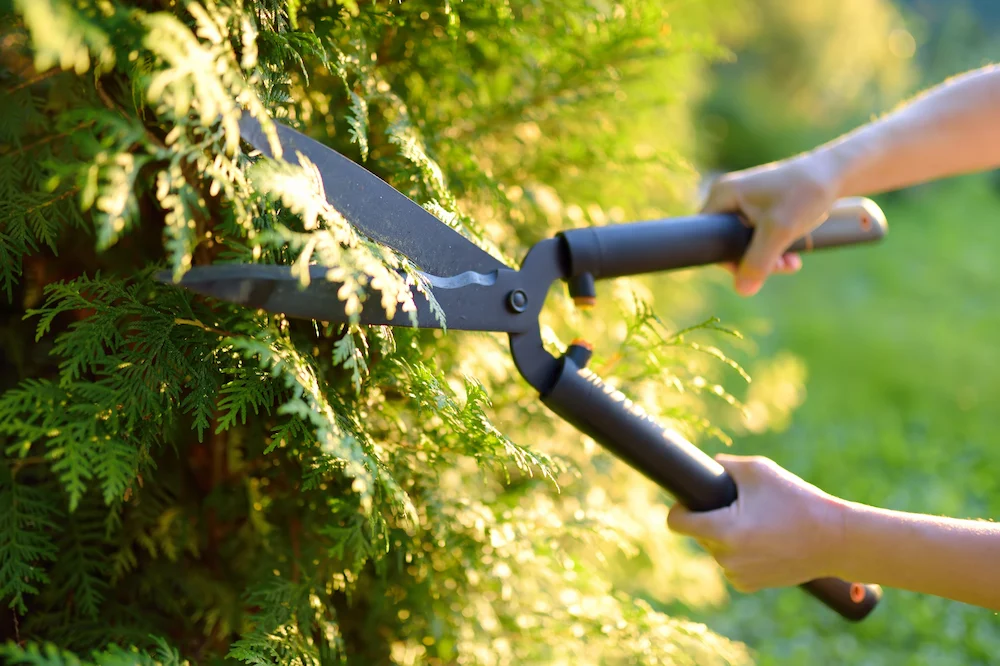
- Reduce outdoor “pest highways”: Trim shrubs away from siding, keep mulch a few inches back from the foundation, and avoid stacking firewood against the house.
- Watch seasonal surges: In fall, focus on exclusion because stink bugs and rodents look for warm shelter. In spring, focus on trail control for ants and moisture control for earwigs.
These steps also help you tell whether you are dealing with a one-time nuisance or an established infestation. If you keep seeing the same pest after tightening up the basics, it usually means there is a hidden nest, colony, or entry point that needs professional attention.
When DIY Stops Working and It’s Time to Call a Pro
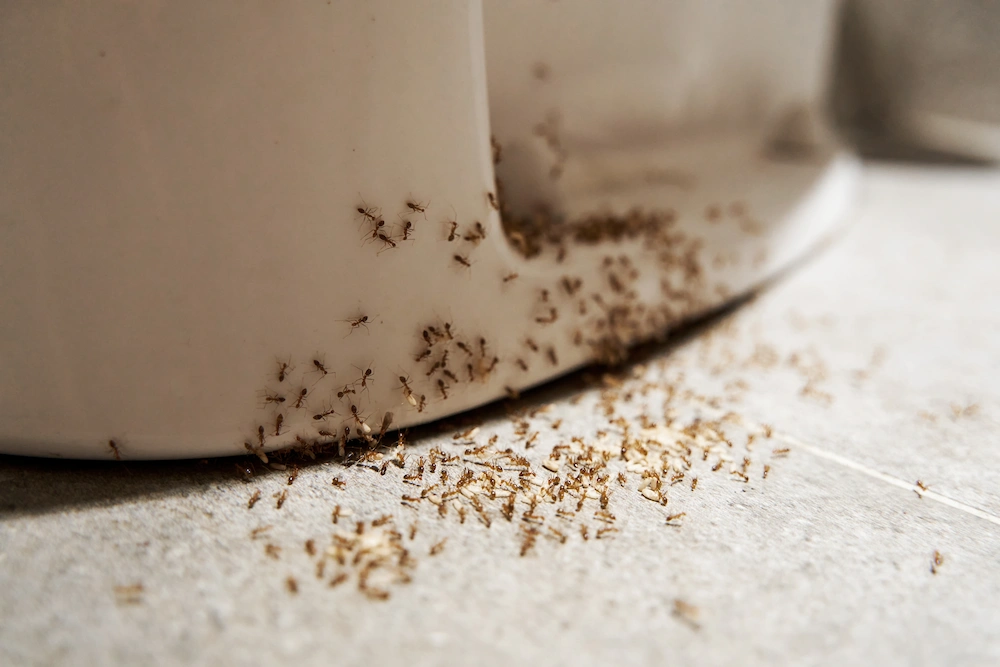
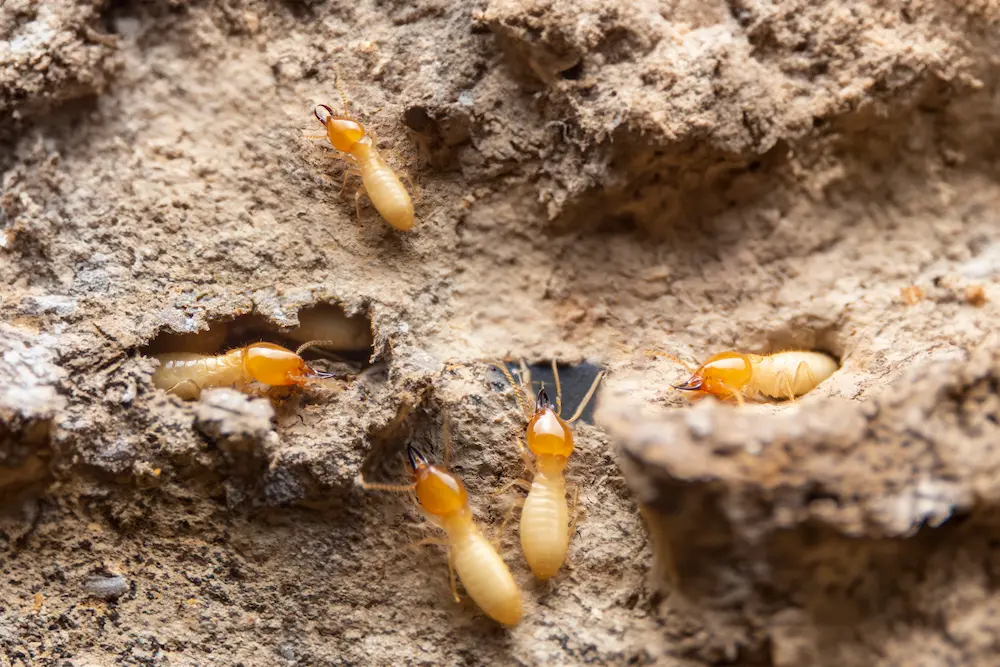
Many pests can look “small” at first, especially ants, spiders, and earwigs. But if the activity keeps returning, there is often a bigger issue behind the scenes. That can be a satellite ant colony in a wall void, carpenter ants nesting in damp wood, or rodents traveling a consistent route from the crawl space to the kitchen.
Professional pest control is also worth it when you are seeing pests across multiple rooms, spotting them during daylight hours more often, or noticing signs like frass, gnaw marks, grease rubs, or repeated trails. A trained technician can identify the species, locate contributing conditions, and create a plan that targets the root cause instead of only the symptoms.
The PNW Will Always Have Pests, But You Don’t Have to Live With Them
In a region as green and water-rich as ours, pests will always be part of the landscape. The goal is not perfection. It is keeping pests outside, catching issues early, and protecting your home from repeat invasions. This is much easier (and more enjoyable!) with the help of Pointe’s experienced technicians.
If you are dealing with recurring ants, spiders, stink bugs, earwigs, or rodents, Pointe Pest Control can help you build a plan that fits your home and your season. Reach out for a quote and take the guesswork out of protecting your space.
Citations
Benjamin, K. & Mandojana, R. (2025, October 3). Invasive insects in your backyard: How to identify & control stink bugs, Japanese beetles, and spotted lanternflies. NWF Blog. Available at https://blog.nwf.org/2025/10/invasive-backyard-insects/ (Accessed on February 18, 2026).