
Summary: A homeowner-focused guide to practical routines that remove food, water, and shelter so common household pests are less likely to move in.
You do not need to deep-clean your house every day to avoid pests. What matters most is consistency: a few small routines that remove food, water, and hiding spots before insects and rodents settle in.
In this guide, we will walk through practical pest-preventing habits for homeowners that fit into real life, especially in the Pacific Northwest where moisture, mild winters, and busy households can make pest pressure feel constant.
Make the Kitchen a Low-Reward Zone
Most household pests are motivated by the same thing: easy calories. Crumbs under the toaster, sticky spots near the trash can, and pet food left out overnight can turn a quiet kitchen into a nightly buffet.
If you want daily habits that prevent pests, start here. Even tiny food traces can support ants, cockroaches, pantry pests, and rodents, and once they learn the route, they tend to keep coming back.
The After-Meal Reset (5 minutes)
Think of this as a quick reset, not a full clean. You are simply removing the scent trail and the easy snacks that pests can find long after you go to bed.
If you have kids, roommates, or frequent visitors, this one habit can do more than any single product from the store.
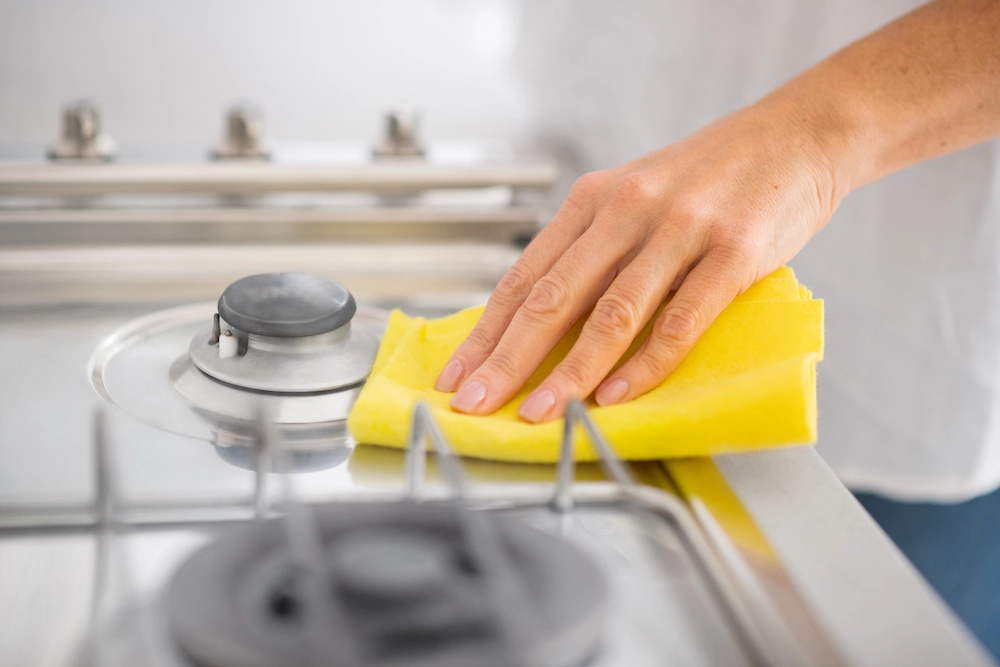
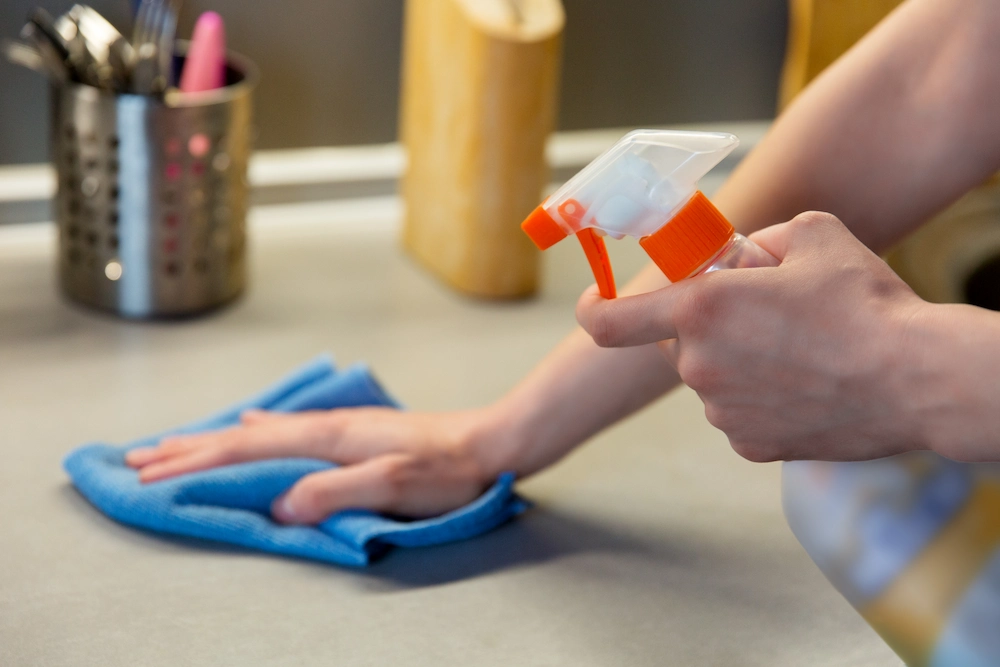
- Wipe counters and the stovetop, especially around small appliances
- Sweep or vacuum high-traffic kitchen floors and under the table
- Rinse dishes and load the dishwasher or wash them the same night
- Store bread, fruit, and snacks in sealed containers
- Pick up pet food bowls before bedtime when possible
One of the most overlooked details is the floor. A quick vacuum around baseboards and corners is one of the simplest cleaning routines that deter pests because it removes crumbs, hair, and dust that insects can feed on.
If you are already on a regular schedule, you can still level it up by paying extra attention to hard-to-reach areas like under the fridge and behind the trash can where crumbs collect.
Trash and Recycling: Control the Smell, Control the Problem
Trash is not just food. It is moisture, bacteria, and strong odors, which is why it draws ants, flies, yellow jackets, raccoons, and rodents. Indoor bins and outdoor cans both matter, especially during warmer months.
Good trash management to prevent pests is mostly about timing and sealing. If pests can smell it and reach it, they will.
Simple Changes That Pay Off Fast
Start with the bin that causes the most issues in your home, usually the kitchen. If the lid does not close tightly, pests can detect odors even when the bag is tied.
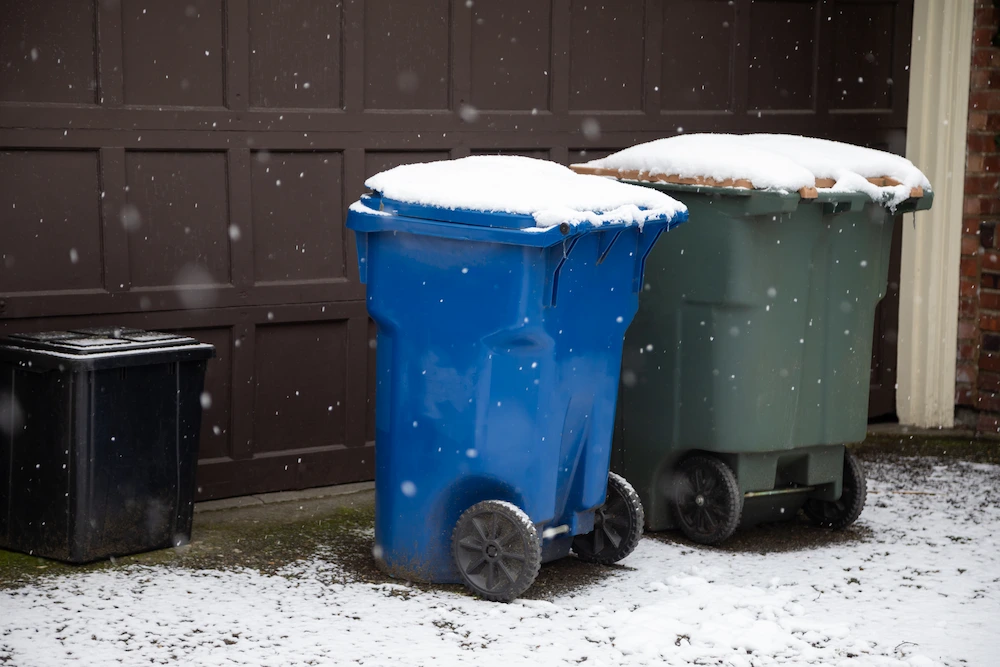
Outside, place cans a little away from doors when you can, and keep the area around them clean. Spilled liquids and old residue on the can itself can be enough to keep pests returning.
If your outdoor cans have a lingering smell, rinse them out occasionally and let them dry in the sun. It sounds basic, but it is one of those simple pest prevention tips for homeowners that cuts down on visits from scavengers and insects.
Dry Things Out: Water Is a Pest Magnet
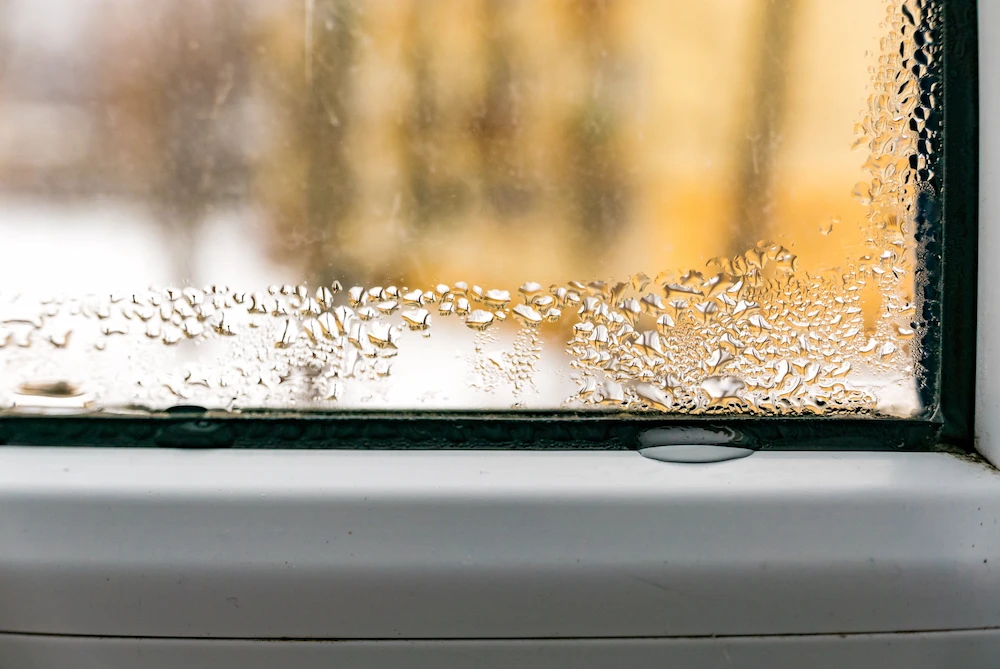
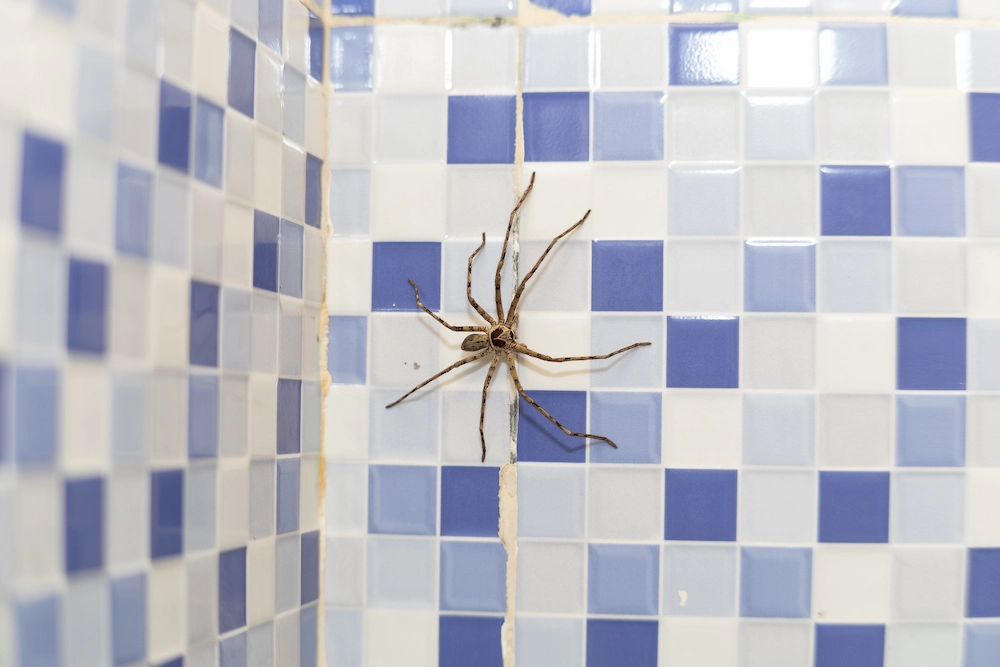
In the PNW, moisture is the quiet driver behind many infestations. Spiders follow insects. Insects follow humidity. Rodents follow easy water sources. That is why preventing pests often looks like basic home maintenance.
Check the spots that stay damp: under sinks, around toilets, laundry rooms, crawl spaces, and areas where gutters overflow. Even a slow drip can support activity you never see until it becomes a bigger problem.
Quick Moisture Habits
Run bathroom fans during and after showers, and do not ignore condensation on windows. If you have a basement or crawl space that feels humid, a dehumidifier can make a big difference.
Also keep an eye on landscaping drainage. If water pools near the foundation, pests have both moisture and a convenient entry point close to your home.
Seal the Easy Entry Points
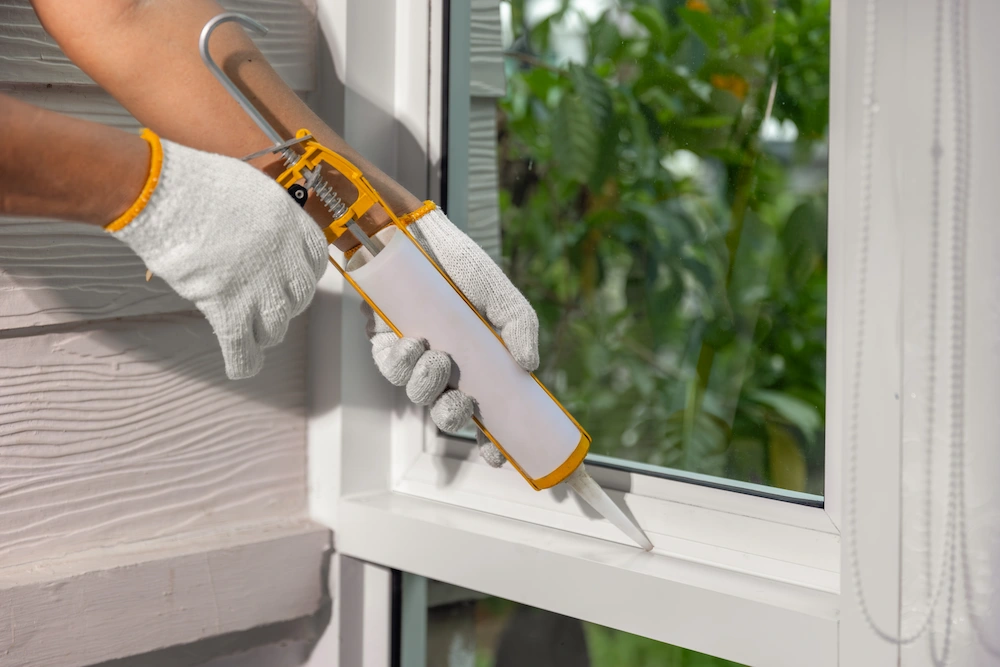
Many pests do not need a wide-open door. Ants can use hairline cracks. Spiders slip through gaps around utility lines. Mice can fit through surprisingly small openings. When it comes to keeping pests out of your home, sealing and screening are your best friends.
This is the kind of work you can do in short bursts. A quick walk around the exterior once each season helps you catch new gaps early, especially after winter storms or a stretch of hot weather that can shift materials.
- Replace torn window and door screens
- Add or repair door sweeps on exterior doors
- Seal gaps around pipes, vents, and utility penetrations
- Caulk cracks along siding and around window frames
- Store firewood off the ground and away from the house
Inside, pay attention to the garage and the door between the garage and the house. That transition area is a common pathway for pests that ride in on boxes, sports gear, and stored items.
If you are seeing pests near one particular spot, that is a clue. Many infestations become manageable once you identify and fix the main entry route.
Make the Yard Less Inviting
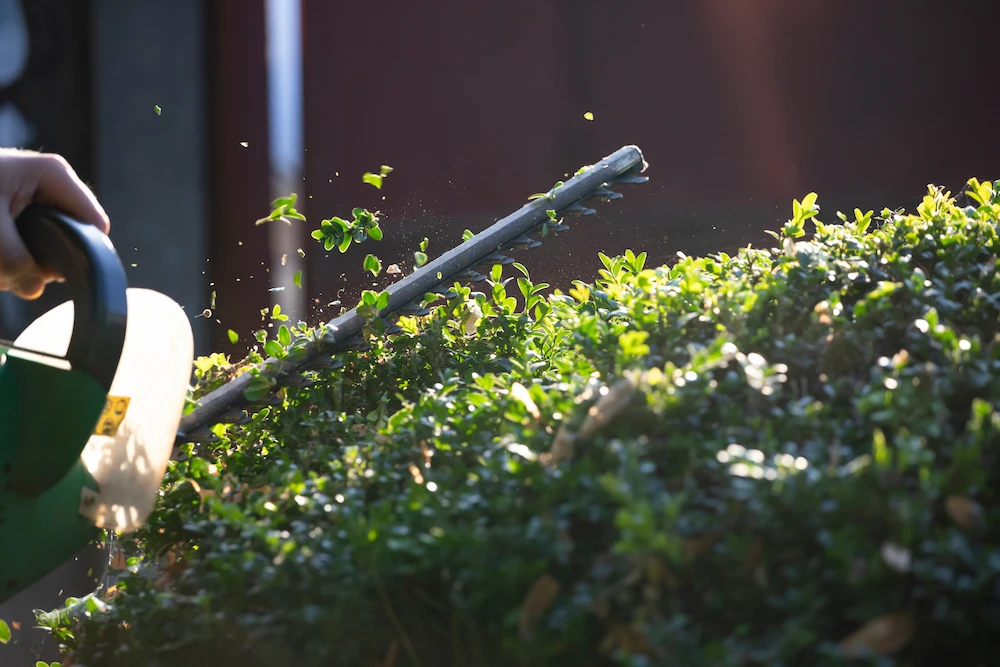
Outdoor habits matter because your yard is the starting point. Overgrown vegetation, leaf piles, and cluttered storage areas give pests shelter close to the house. From there, it is only a matter of time before they explore indoors.
Trim shrubs back from siding, keep gutters flowing, and clear debris that stays damp. This reduces hiding spots for spiders and rodents, and it also makes it easier to spot nests or trails early.
A Note on Storage
Cardboard and loosely stacked items are inviting to pests in garages, sheds, and basements. Swap cardboard for plastic bins with lids, and keep stored items a few inches off the floor when possible.
This one change helps with inspections too. When you can see the floor and corners, you are more likely to catch droppings, chew marks, or insect activity before it spreads.
When Pest-Preventing Habits Are Not Enough
Even with solid routines, pests can still show up. Neighbors, construction, seasonal changes, and local weather all play a role. The goal is to reduce your risk and catch issues early, not to be perfect.
If you are dealing with repeated activity, it may be time for a professional inspection and a customized plan. Pointe Pest Control offers comprehensive options through Residential Pest Control Services and local teams like Pest Control in Olympia to help you stay ahead of the problem.
If you would like help identifying where pests are coming from, our technicians can spot pressure points and recommend practical next steps based on your home and season.
Contact Pointe Pest Control to schedule service and keep small pest problems from turning into bigger ones. We’ll help you protect your greatest investment.
Citations
Wadood, A. (2024, August 20). How to prevent common household pests: Tips for a pest-free home. My Green Montgomery.org. Available at https://mygreenmontgomery.org/2024/how-to-prevent-common-household-pests-tips-for-a-pest-free-home/ (Accessed on February 10, 2026).