
Summary: Explains why some people experience stronger mosquito bite reactions, focusing on mosquito saliva allergies, immune responses, swelling, and hypersensitivity symptoms.
Most people have experienced the itch and irritation that comes with a mosquito bite. For some, the reaction is minor and fades quickly. For others, bites become swollen, painful, and intensely itchy. In many cases, the difference comes down to a mosquito bite allergy caused by the body’s reaction to mosquito saliva.
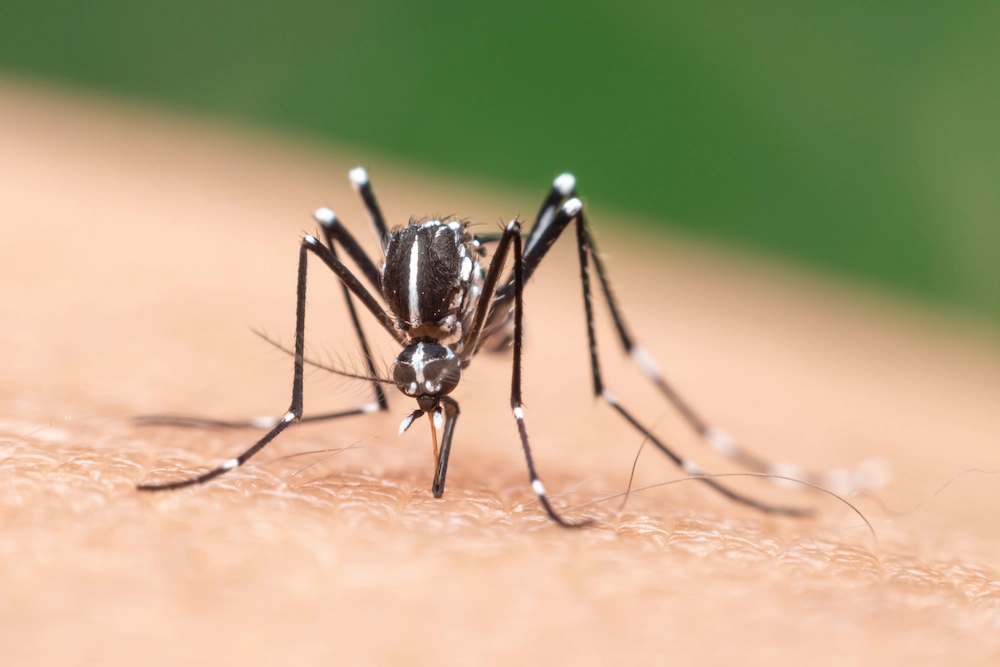
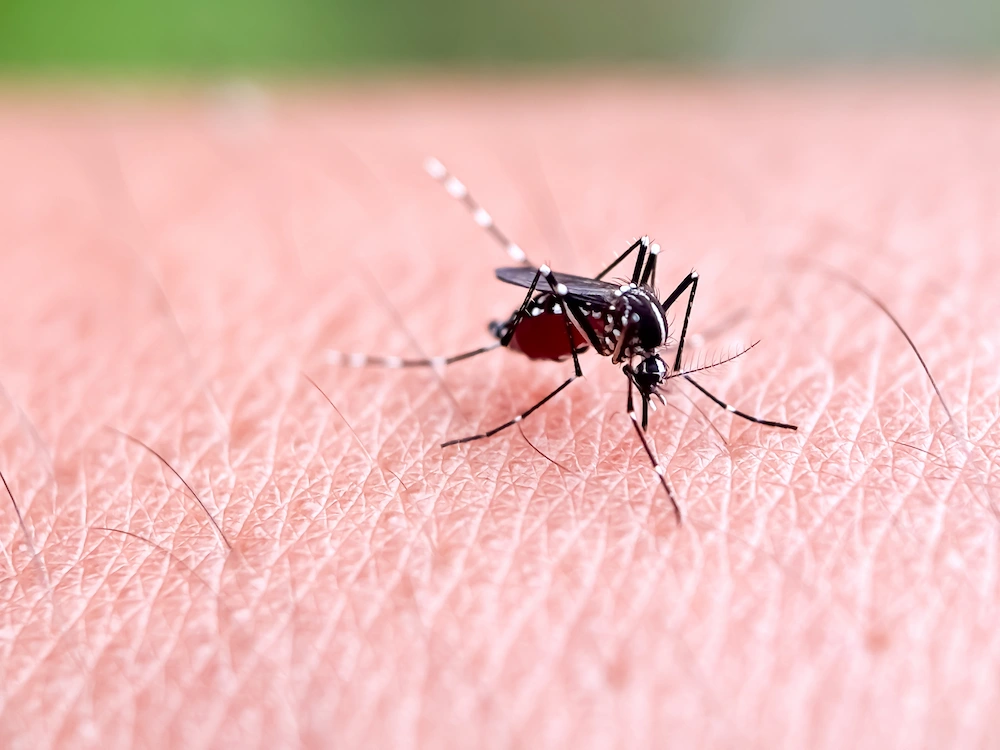
Mosquitoes do not bite simply to annoy people. Female mosquitoes feed on blood to help produce eggs, and during the feeding process they inject saliva into the skin. That saliva contains proteins that can trigger immune responses in certain individuals.
What Happens When a Mosquito Bites You
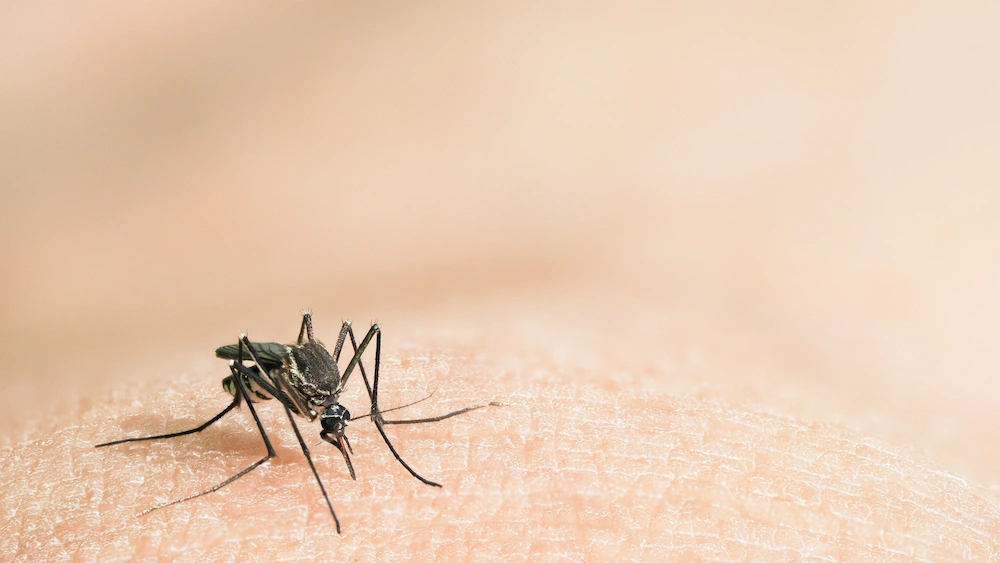
When a mosquito pierces the skin, it releases saliva that helps prevent blood from clotting while it feeds. The immune system recognizes these proteins as foreign substances and reacts to them.
For most people, this causes a small itchy bump. However, some individuals experience a stronger allergic reaction to mosquito saliva, leading to larger welts, swelling, and more severe discomfort.
The severity of the reaction depends on how sensitive the immune system is to the proteins in the saliva.
Why are Some People More Sensitive to Mosquito Bites?
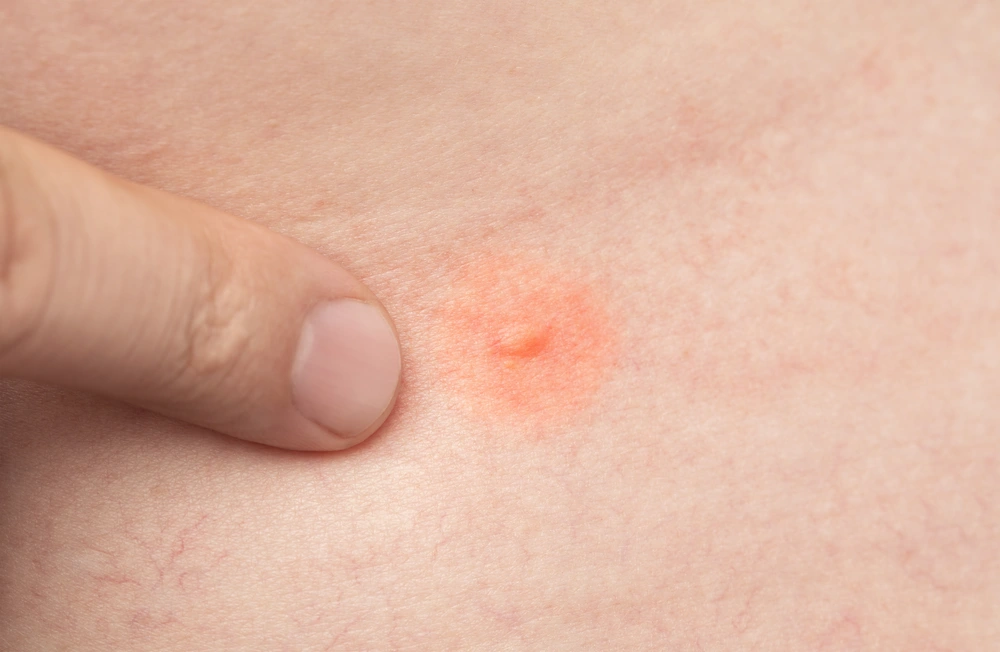
One of the most common questions is why are some people more sensitive to mosquito bites than others. The answer largely comes down to individual immune responses.
Some people naturally produce stronger inflammatory reactions when exposed to mosquito saliva proteins. Genetics, immune system activity, and previous exposure to mosquito bites may all influence how the body responds.
Children often experience more noticeable swelling because their immune systems are still developing responses to mosquito saliva. In some cases, repeated exposure over time can reduce sensitivity, although that is not true for everyone.
Mosquito Saliva Allergy Symptoms to Watch For
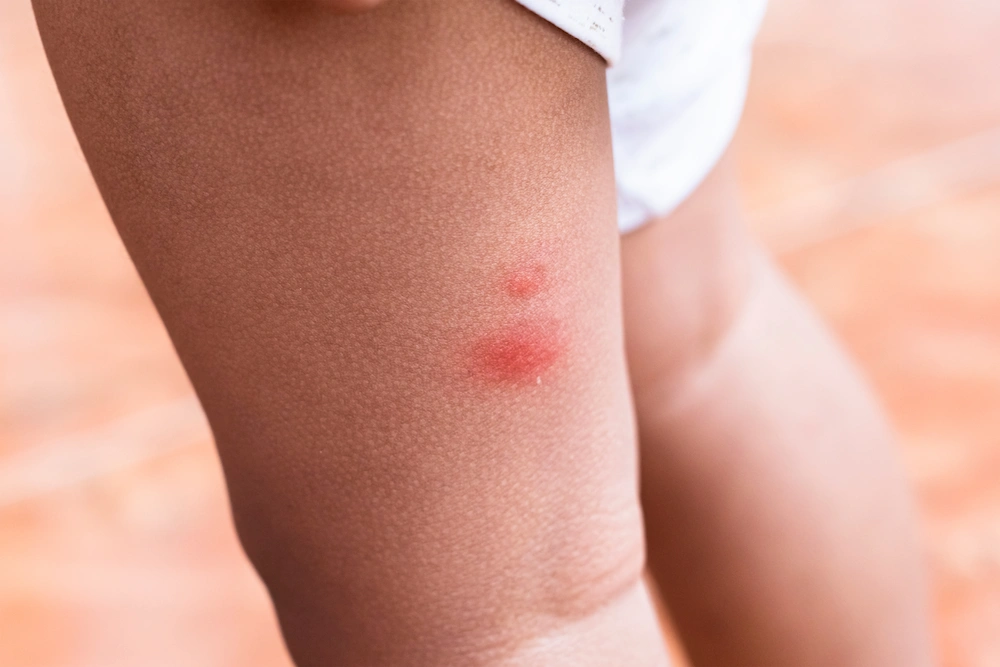
A mild mosquito bite usually causes a small red bump and itching. People with heightened sensitivity may experience more significant symptoms.
Common mosquito saliva allergy symptoms include:
- Large swollen welts around the bite
- Intense itching or burning sensations
- Redness extending beyond the bite area
- Warmth or firmness around the skin
- Multiple days of swelling or irritation
In rare cases, severe allergic reactions can occur, especially in individuals with strong immune hypersensitivity. Symptoms such as difficulty breathing or widespread swelling require immediate medical attention.
Why Do Mosquito Bites Swell So Much?
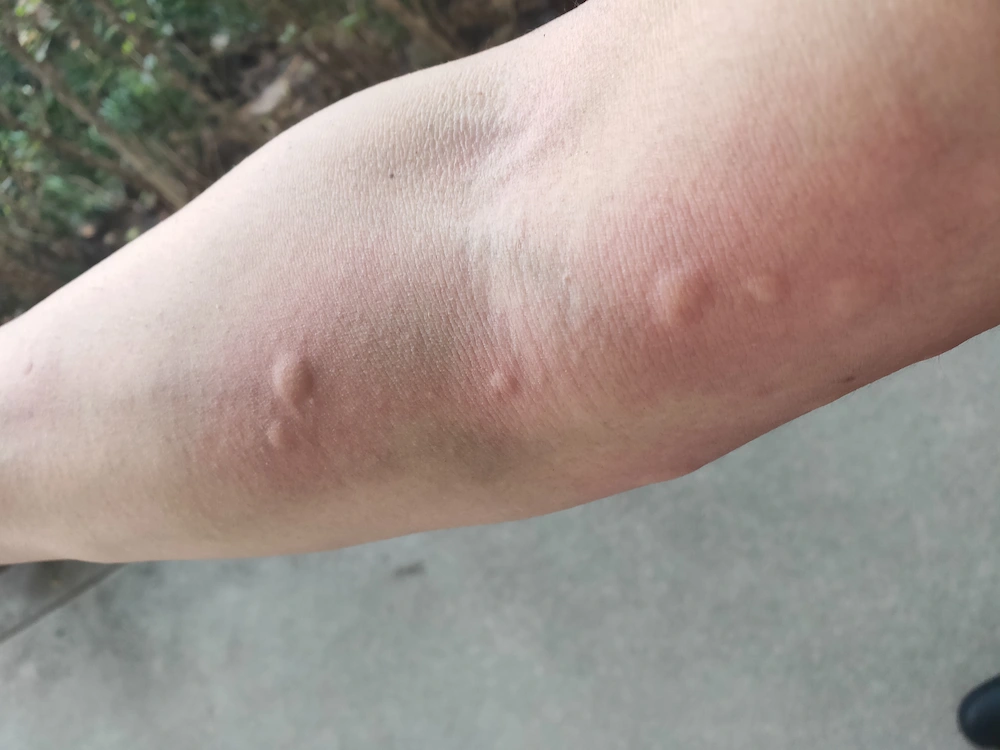
Many people wonder why do mosquito bites swell more on some occasions than others. Swelling is part of the body’s inflammatory response.
When the immune system detects mosquito saliva, it releases histamines and other chemicals to fight what it perceives as an invader. These chemicals increase blood flow and fluid around the bite site, causing puffiness and redness.
The stronger the immune response, the more noticeable the swelling becomes. This is why some bites remain small while others grow into large raised welts.
Hypersensitivity to Mosquito Bites Explained
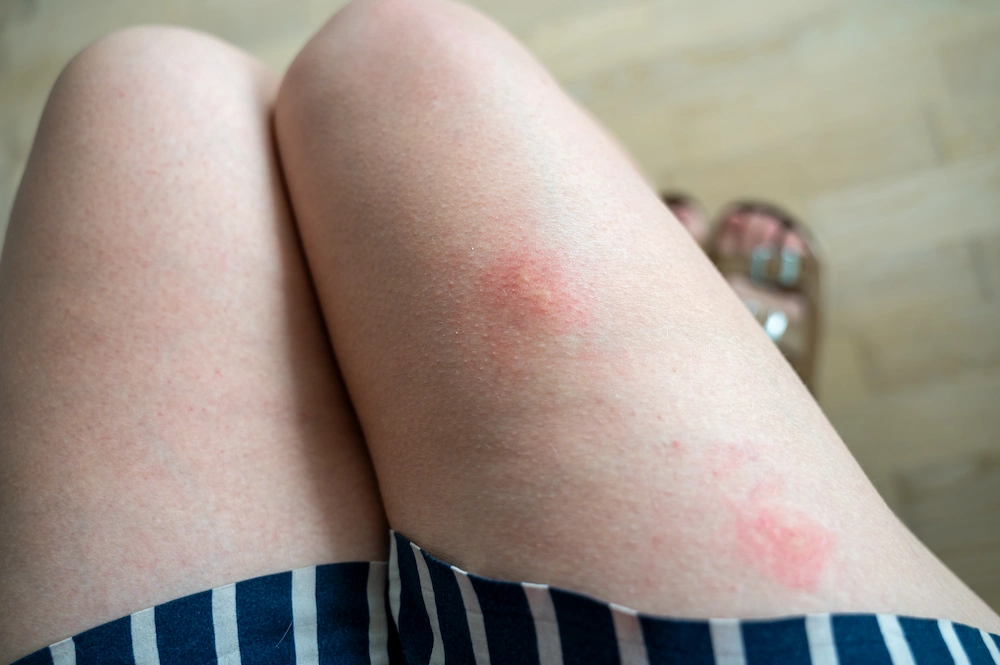
For certain individuals, the reaction goes beyond typical irritation. This condition is known as hypersensitivity to mosquito bites, where the immune system reacts excessively to mosquito saliva proteins.
People with hypersensitivity may experience unusually large swollen areas, blistering, bruising, or prolonged itching. These reactions can sometimes resemble infections even though they are immune related responses.
Hypersensitivity is more common in children and individuals with certain immune system conditions, although anyone can experience stronger than normal reactions.
Factors That Can Influence Mosquito Bite Reactions
Several factors can affect how strongly someone reacts to mosquito bites. Immune sensitivity is only part of the equation.
Other contributing factors include:
- Frequency of mosquito exposure
- Type of mosquito species involved
- Individual skin sensitivity
- Existing allergies or immune conditions
- Scratching and irritation after the bite
Scratching can worsen inflammation and increase the chance of secondary skin infections, making reactions appear even more severe.
How to Reduce Mosquito Bite Reactions
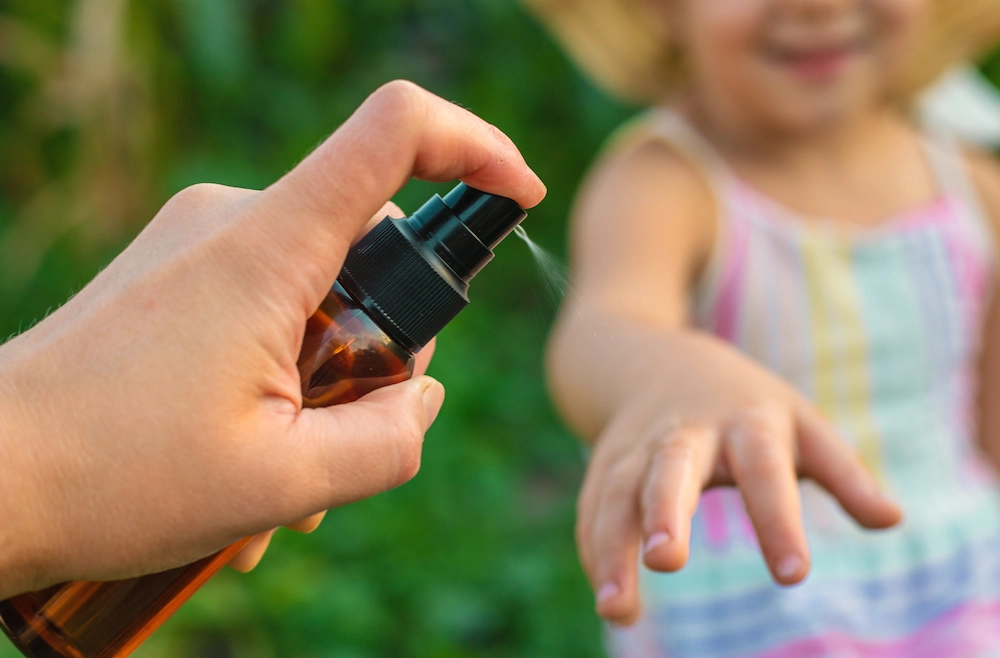
The best way to avoid allergic reactions is preventing bites in the first place. Reducing mosquito exposure lowers the chance of irritation and swelling.
Helpful prevention strategies include:
- Wearing long sleeves and pants outdoors
- Using EPA approved insect repellents
- Removing standing water around the home
- Keeping window and door screens in good condition
- Avoiding outdoor activity during peak mosquito hours
For mild reactions, cold compresses and over the counter antihistamines may help reduce itching and swelling.
When Mosquito Bite Reactions Need Medical Attention
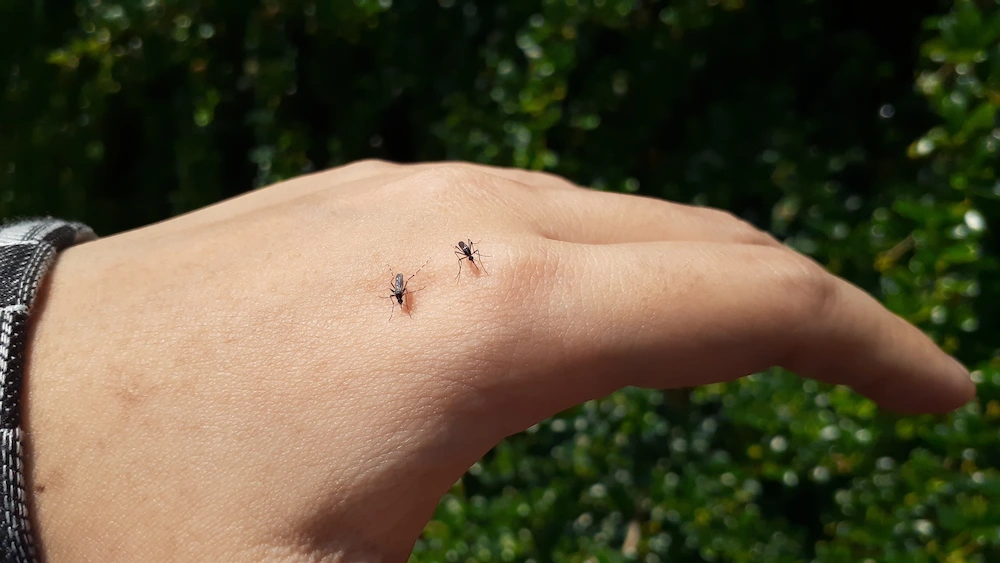
Most mosquito bite reactions improve within a few days. However, severe swelling, blistering, fever, or signs of infection should be evaluated by a healthcare professional.
People with a known mosquito bite allergy or severe hypersensitivity may benefit from discussing treatment options with a doctor, especially during mosquito heavy seasons.
Understanding how mosquito saliva affects the body helps explain why reactions vary so widely. While some people barely notice bites, others experience significant swelling and discomfort due to their immune system’s sensitivity to mosquito saliva proteins.
Protect your family and yard from these bloodsucking pests with our targeted mosquito services. Contact us for a free quote today!
Citations
Chau, C. (2025, July 15). Skeeter syndrome explained: When mosquito bites trigger more than an itch. Yale New Haven Health. Available at https://www.ynhhs.org/articles/skeeter-syndrome (Accessed on May 13, 2026).