
Summary: Explains why pests gather in sunny outdoor areas, highlighting stink bugs, garden insects, and other heat loving pests commonly found in yards and gardens.
Warm, sunny areas around your yard may feel inviting to people, but they also attract a wide variety of insects. Many pests in sunny spots are drawn to heat, direct light, and dry surfaces because those conditions help them feed, reproduce, and stay active throughout the day.
From gardens and patios to window ledges and flower beds, certain pests thrive in areas exposed to sunlight. Understanding why they gather there can help homeowners better manage pest activity outdoors.
Why Pests are Attracted to Sunny Areas
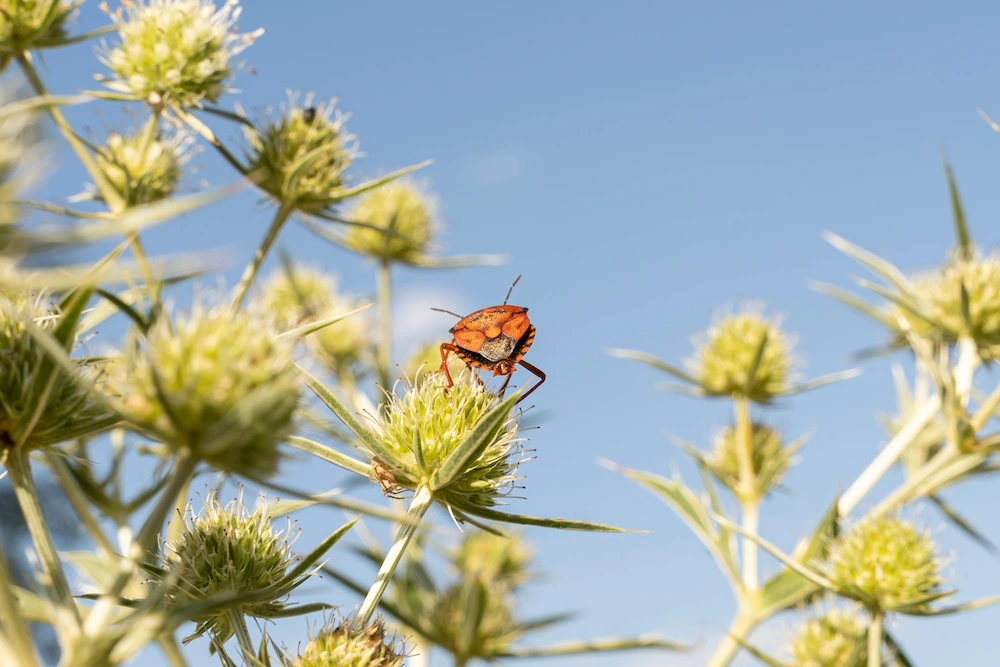
Sunlight creates warmer temperatures that many insects rely on for energy and movement. Unlike mammals, insects are cold blooded, meaning their body temperature changes with the environment around them.
This is one reason pests attracted to heat and sunlight often gather on rocks, siding, fences, and plants exposed to direct sun. Warmth helps speed up their activity levels, digestion, and reproduction cycles.
Sunny locations also tend to support thriving plant growth, which provides food and shelter for many outdoor pests.
Stink Bugs and Sun-Loving Insects
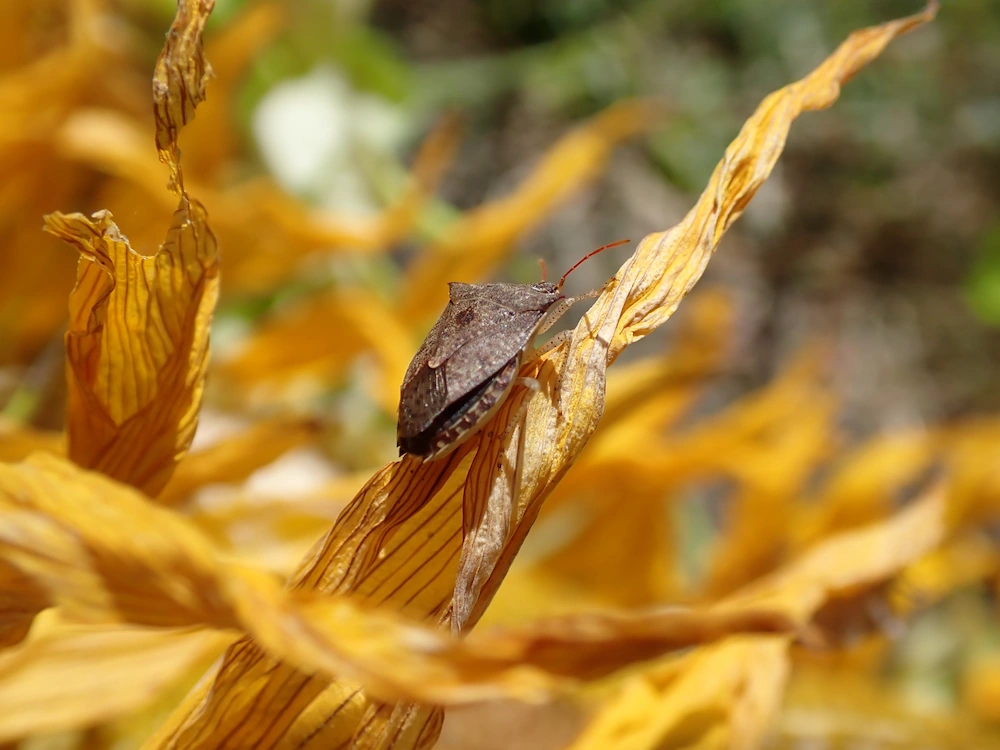
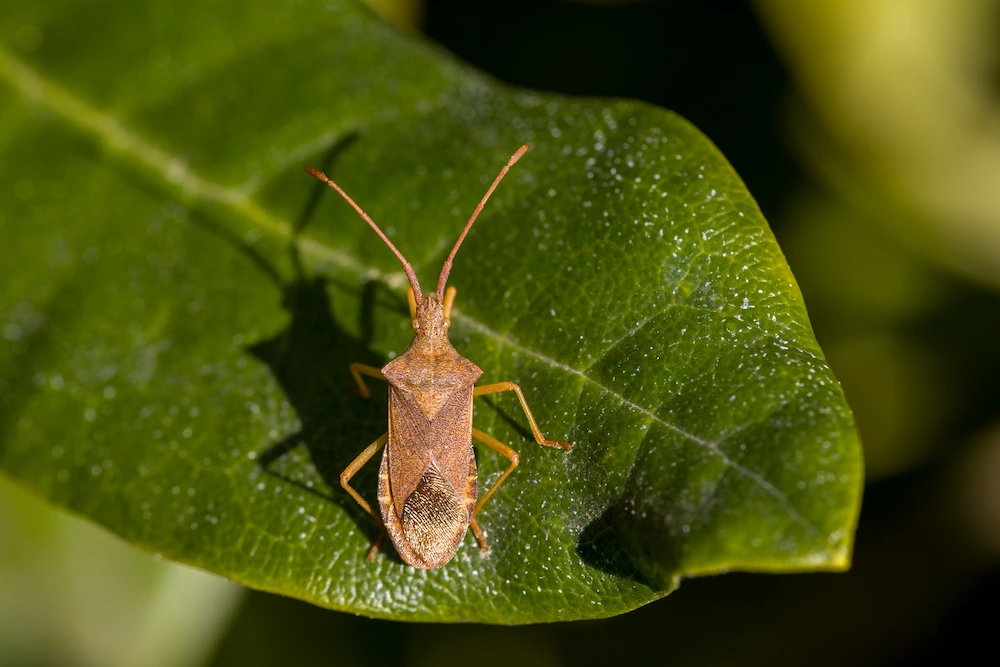
One of the most noticeable examples of stink bugs and sun-loving insects is the brown marmorated stink bug. These pests are often seen resting on sunny walls, decks, and windows during warmer months.
Stink bugs use warmth to regulate their activity and are commonly attracted to buildings with sun exposed siding. In late summer and fall, they gather on warm exterior surfaces while searching for overwintering shelter.
Other insects that enjoy sunny conditions include boxelder bugs, beetles, grasshoppers, and certain ant species. These pests frequently cluster in bright open areas where temperatures remain elevated throughout the day.
Common Garden Pests in Sunlight
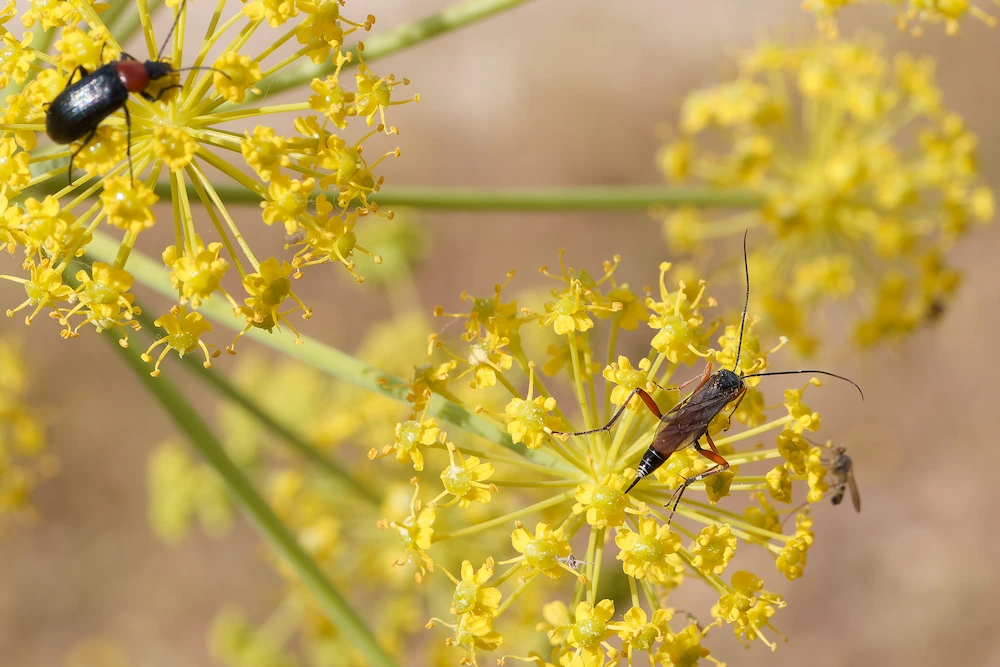
Many common garden pests in sunlight target plants growing in exposed garden beds. Warm weather accelerates plant growth, but it also increases insect feeding activity.
Aphids, whiteflies, spider mites, and leafhoppers are commonly found on vegetables, flowers, and ornamental plants in sunny gardens. Caterpillars and beetles may also become more active in these environments because warmth speeds up their life cycles.
Plants weakened by drought stress or excessive heat can become even more vulnerable to insect damage.
Outdoor Pests that Love Warm Areas
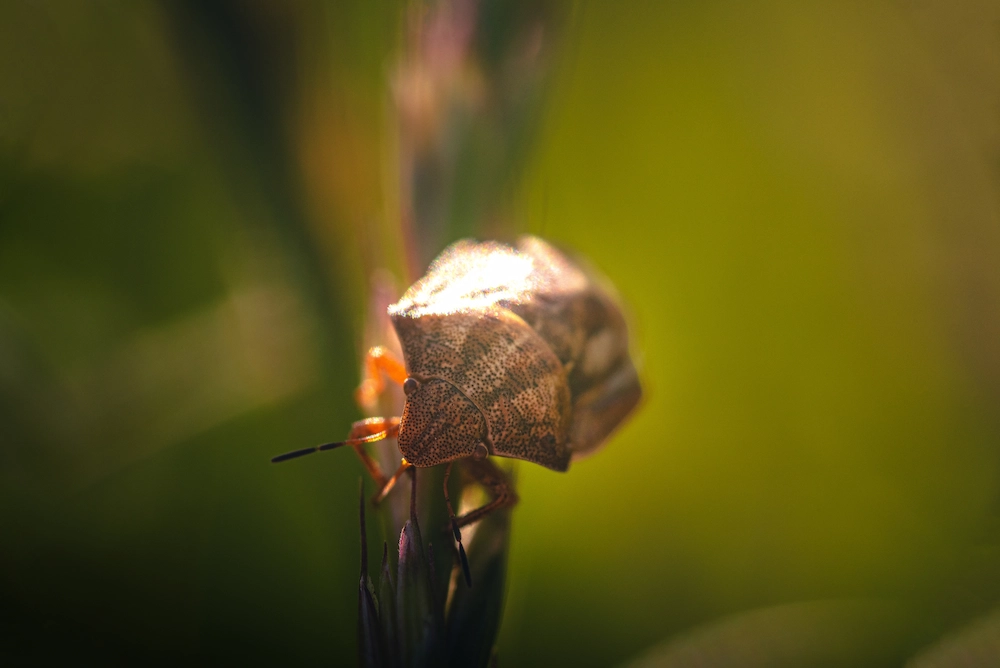
Certain outdoor pests that love warm areas are especially active during the hottest parts of the day. Patios, driveways, retaining walls, and stone landscaping often become gathering spots because they absorb and hold heat.
Common warm weather pests include:
- Stink bugs
- Ants
- Grasshoppers
- Wasps and yellowjackets
- Beetles and leaf feeding insects
These pests often appear more frequently during dry summer periods when sunlight remains strong for long stretches of time.
Bugs Found in Sunny Yards and Gardens
If you spend time outdoors, you may regularly notice bugs found in sunny yards and gardens gathering around flowers, shrubs, and exposed surfaces.
Pollinators like bees and butterflies also enjoy sunny spaces, but pest insects can quickly become a problem when populations grow unchecked. Some pests feed directly on plants, while others invade outdoor living areas searching for food and moisture.
Yards with standing water, overgrown vegetation, or abundant flowering plants may attract even larger numbers of insects during warm weather.
How Heat and Sunlight Affect Pest Behavior
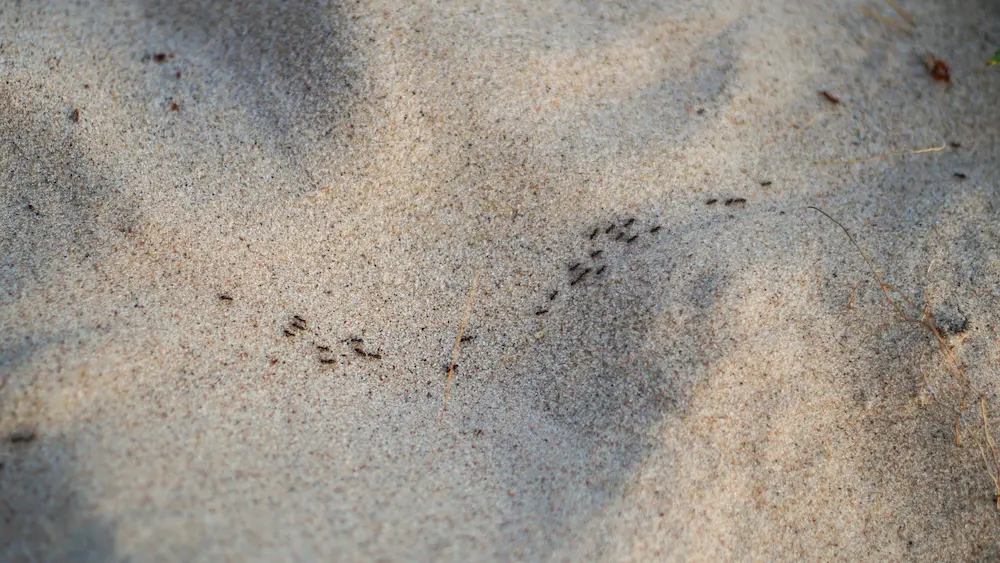
Sunlight influences more than just where insects gather. It also affects how pests behave throughout the day.
Many insects use warmth to become more active and mobile. Ant trails may become more visible, stink bugs may cluster on siding, and flying insects often increase activity during warm afternoons.
For some pests, heat accelerates reproduction. Faster breeding cycles can cause populations to grow rapidly during summer, leading to more noticeable infestations around homes and gardens.
How to Reduce Pests in Sunny Outdoor Areas

You cannot eliminate sunlight from your yard, but you can reduce the conditions that encourage pest activity.
A few simple prevention strategies include:
- Remove standing water from planters and containers
- Trim overgrown vegetation to improve airflow
- Inspect plants regularly for early pest activity
- Seal cracks around windows and siding
- Keep outdoor eating areas clean and free of food debris
Managing moisture and reducing hiding spots can make sunny areas less attractive to insects while still allowing plants and landscaping to thrive.
Enjoy Your Yard Without the Pests
Sunny gardens and outdoor spaces naturally attract insects, but understanding why pests gather there makes prevention much easier. By monitoring activity and maintaining healthy outdoor conditions, homeowners can reduce infestations before they grow larger. Knowing which pests in sunny spots are most common in your area can help you protect both your landscaping and your outdoor living spaces throughout the warmer months. Contact us for a free quote on our targeted services today!
Citations
Why are bugs active in the summer?. (2020, July 6). Maggie’s Farm. Retrieved May 15, 2026, from https://maggiesfarmproducts.com/blogs/bug-help/why-are-bugs-active-in-the-summer