
Summary: Western Washington’s mild, wet winters let spiders, rodents, cockroaches, and moisture-loving pests stay active long after summer. This guide explains why the climate suits them and what homeowners can do to make their homes less inviting.
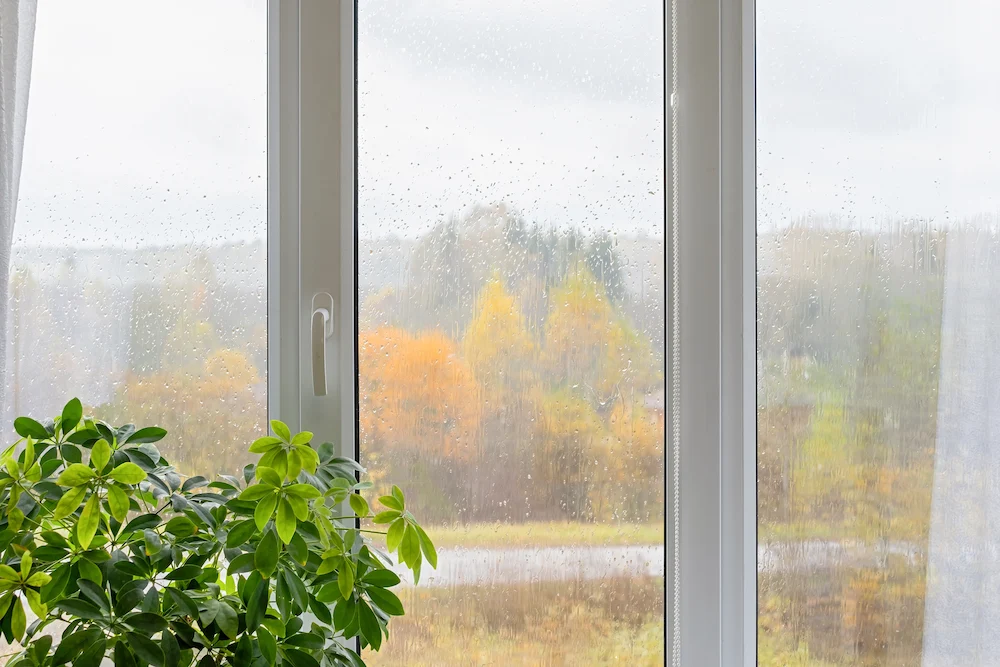
A lot of people think of pests as a summer problem, something that fades once the heat breaks. West of the Cascades, it often works the other way. The cool, wet stretch that runs from October well into spring is when many homeowners in Olympia, Centralia, and Vancouver first notice droppings in the garage or a spider in the shower.
This article looks at which pests in the PNW actually do well in our mild, damp weather, why the climate suits them, and what you can change around the house to make it less comfortable for them. Spiders, rodents, cockroaches, and a handful of moisture lovers all make the list.
Why a Mild, Wet Climate Suits So Many Pests
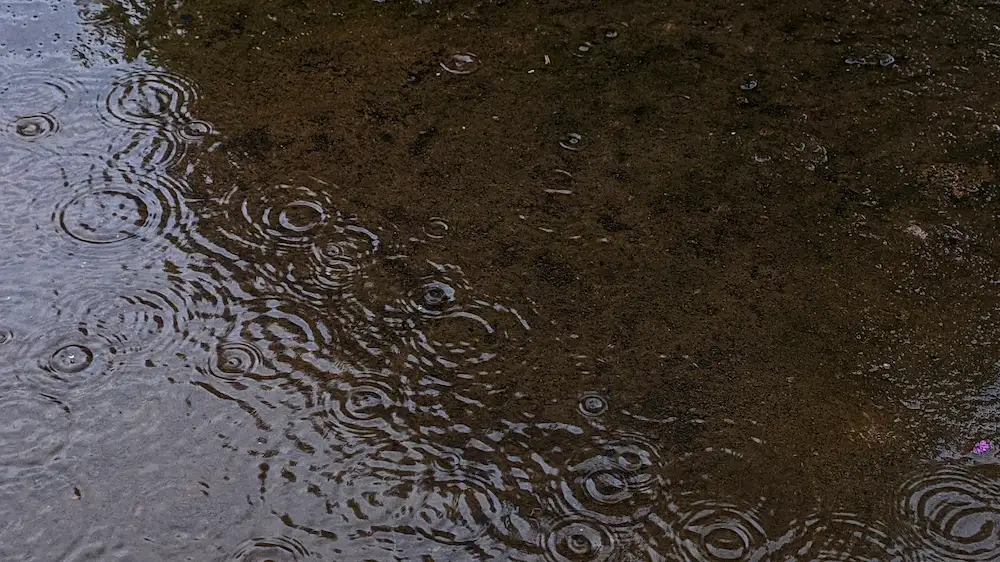
Western Washington rarely gets the long, deep freezes that knock insect populations back in colder parts of the country. Winters here are more soggy than frigid, so many pests in the PNW never face a hard reset. They slow down, find a sheltered spot, and wait.
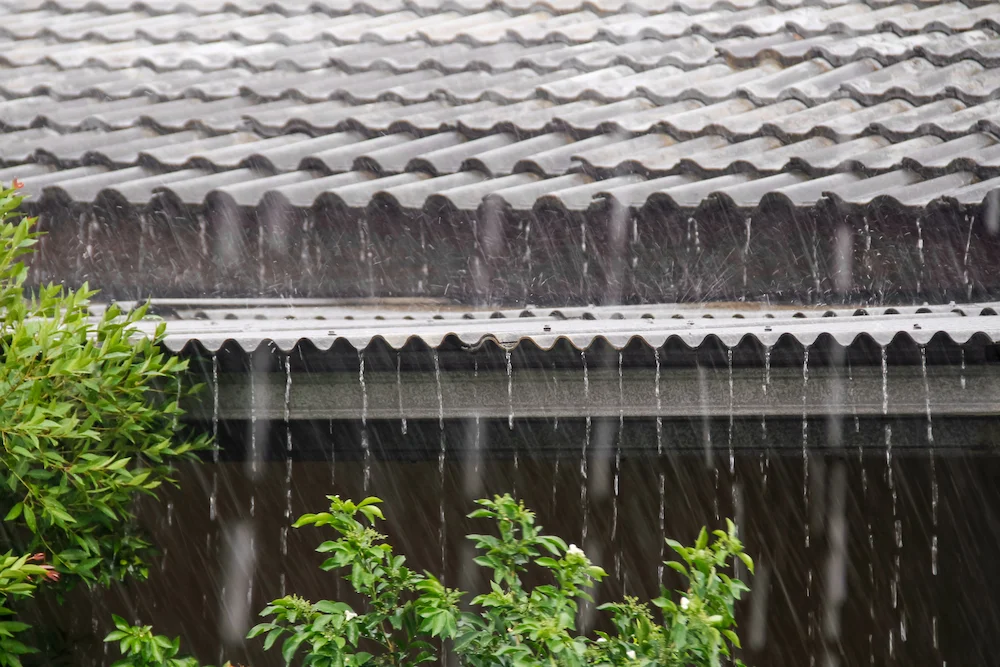
Moisture does the rest. Months of rain keep soil, mulch, wood, and crawl spaces damp, and damp is exactly what a long list of bugs and critters need. Moss on the roof, clogged gutters, and leaf piles along the foundation all hold water against the house and give pests a place to live right next to your walls.
Crawl spaces deserve a special mention. Many west side homes sit over one, and a crawl space with a torn vapor barrier or vents blocked by leaves can stay damp all winter. That one hidden space can support sowbugs, spiders, rodents, and cockroaches at the same time.
East of the mountains, in Spokane, Yakima, and Ellensburg, winters run colder and the air is drier, so the mix shifts a bit. Rodents still push indoors when temperatures drop there, but the moisture crowd tends to be a bigger story in Longview or Tumwater.
The Moisture Lovers
Some of the pests most tied to our climate aren’t dangerous at all, just annoying. They depend on damp conditions to survive, so they show up wherever water lingers. These are the ones homeowners tend to notice first.
- Sowbugs and pillbugs, small crustaceans that live under mulch, boards, and leaf litter and wander in under doors.
- Millipedes, slow crawlers that feed on decaying plant material and sometimes move indoors after heavy rain.
- Springtails, tiny jumping specks that cluster around damp soil, potted plants, and leaky spots.
- Earwigs, nighttime scavengers that hide in wet debris and slip inside through gaps around doors.
Most of these dry out quickly in a heated house, so a sudden crowd indoors usually points to excess moisture near the foundation or in a crawl space. Clearing leaves away from the siding, keeping gutters flowing, pulling mulch back a few inches from the foundation, and fixing dripping outdoor faucets can cut their numbers noticeably.
Spiders and Rodents Settle In as the Rain Starts
Spiders
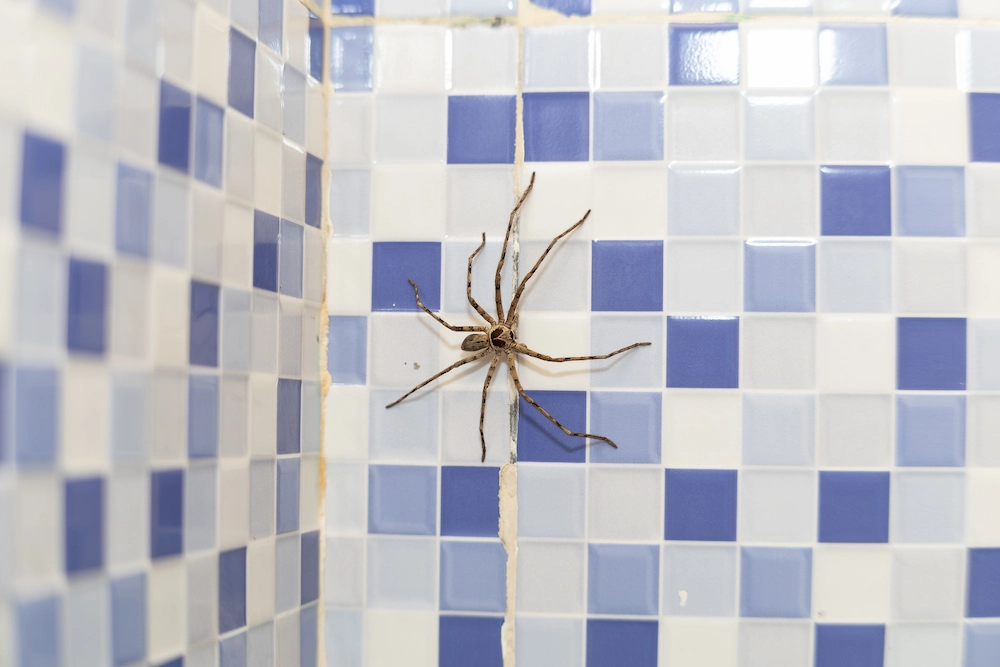
Fall is peak spider season around here. Giant house spiders, hobo spiders, and cellar spiders all turn up in western Washington homes, and adult males of the first two wander indoors in late summer and fall while searching for mates. Garages, basements, and crawl spaces give them cool, sheltered corners and a steady supply of small insects to eat.
Hobo spiders build funnel-shaped webs low to the ground, in window wells, woodpiles, and along foundations. They’re more likely to turn up in a basement or ground-floor room than high on a wall.
The damp helps them indirectly. Sowbugs, springtails, and gnats thrive in moist areas, so a wet crawl space or a cluttered garage can feed a surprisingly healthy spider population without anyone noticing for months.
Rodents
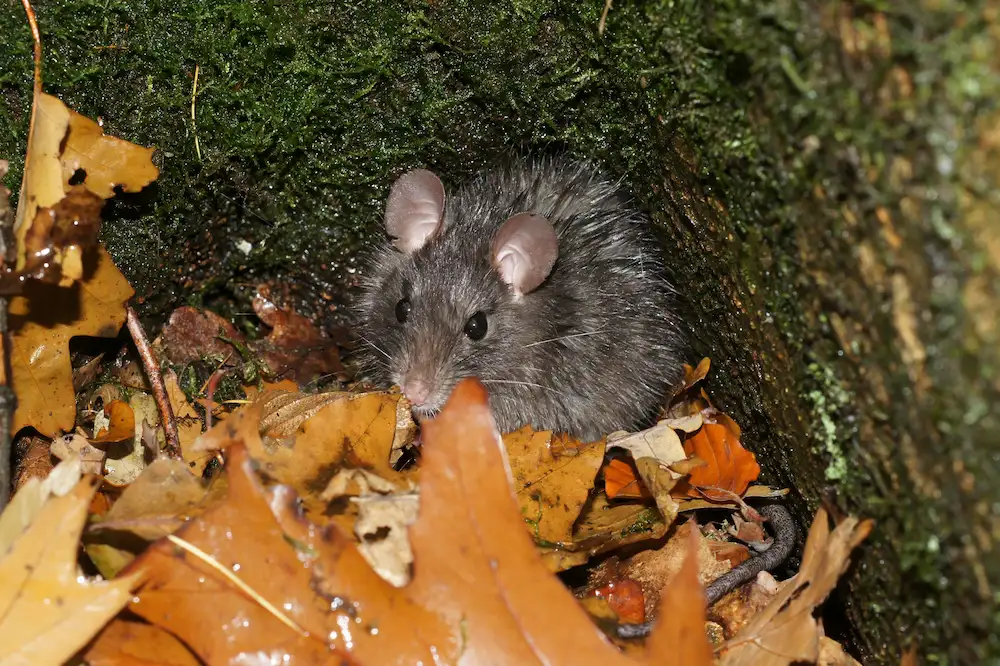
Rats and mice don’t hibernate, so cooler nights send them looking for warm, dry shelter with food nearby. Norway rats tend to burrow along foundations and under decks, then work their way into crawl spaces. Roof rats would rather climb, traveling along fences, utility lines, and overhanging branches to reach attics. Thick ivy on fences and walls gives them cover and a ready-made highway.
The signs usually show up before the rodents do. Droppings along garage walls, shredded insulation in the crawl space, gnaw marks on stored boxes, and scratching in the walls or ceiling at night are all worth a closer look, especially as October turns into November.
Deer mice deserve their own mention. They’re common in rural and wooded parts of Washington and readily move into sheds, cabins, and garages. They’re also the main carrier of hantavirus in the state, so don’t sweep or vacuum their droppings dry. Health officials recommend soaking droppings with disinfectant first and wearing gloves during cleanup.
Any of these rodents can chew through insulation, wiring, and stored boxes to build nests, and they fit through gaps that look far too small for them. Our residential rodent control starts with a perimeter inspection of the foundation, eaves, and the spots where pipes enter the home, then seals those openings with repairs rodents have a hard time chewing through.
Cockroaches Ride Out the Cold Indoors
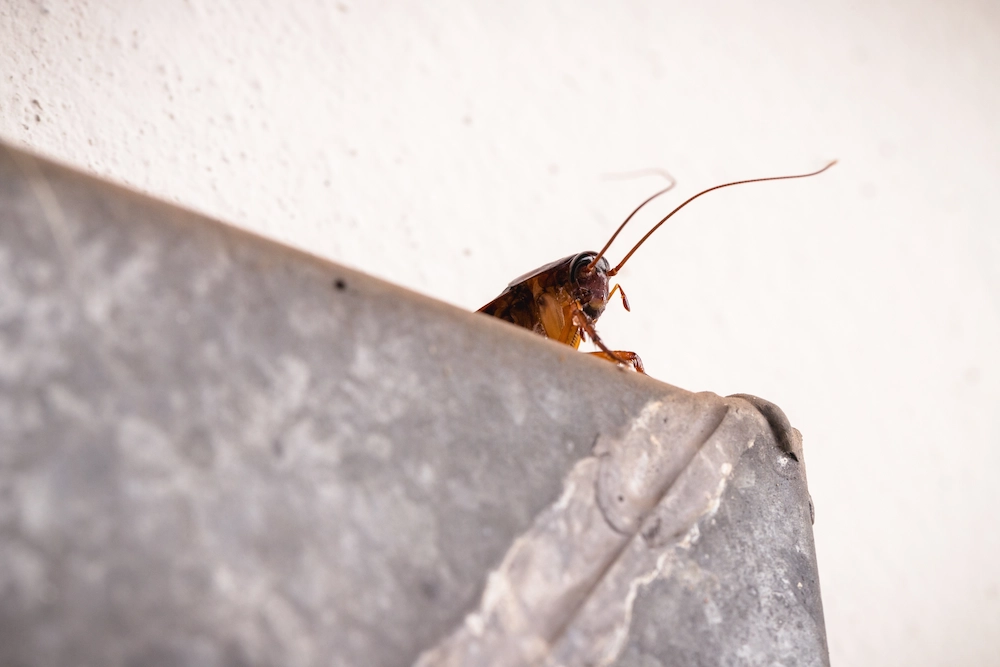
Cockroaches seem like a warm-weather pest, and mostly they are. The German cockroach, the species most often found in kitchens and bathrooms, doesn’t hold up outdoors through a Pacific Northwest winter. It doesn’t need to. It lives inside heated buildings year-round, tucked near warmth, food, and water.
These roaches usually arrive as hitchhikers in cardboard boxes, grocery bags, secondhand appliances, or used furniture. In apartments and duplexes, they can spread from one unit to the next through shared walls and plumbing. Because they breed fast, a few unnoticed roaches can become a real infestation before anyone sees one in daylight.
The oriental cockroach is a different animal. Shiny, dark, and slow-moving, it actually prefers cool, damp places like crawl spaces, floor drains, and basements. Finding them inside is often a hint that a crawl space or drain area is wetter than it should be, which brings the conversation right back to moisture.
A few habits make kitchens and basements less welcoming to both species. Break down cardboard boxes promptly, check secondhand appliances before bringing them inside, and fix slow leaks under sinks. Keeping floor drains flowing and the crawl space dry takes away the conditions oriental cockroaches look for.
Getting Ahead of the Wet Season in Vancouver and Longview
Cool, damp weather keeps a lot of pests in the PNW busy long after summer ends. Spiders and rodents move toward shelter, German cockroaches stay comfortable indoors, and moisture lovers follow the water straight to your foundation. Drying out problem areas and sealing gaps can help, and the earlier in the season you start, the better.
If the rain has already brought a few uninvited guests, the Vancouver pest control team at Pointe Pest Control works with homeowners from the Columbia River up through Longview to find where pests are getting in. Contact us for a free assessment, and we’ll build a plan around what your house actually needs. Your rainy, cozy days don’t have to include pests!
Citations
Allen, H. (2016, October 18). Pest control in the Pacific Northwest. Pest Control Technology. Available at https://www.pctonline.com/news/pest-control-pacific-northwest-allen/ (Accessed on October 14, 2026).