
Summary: Explains why carpenter ants are more common in the Pacific Northwest due to moisture, including causes of infestations and how to prevent them in damp environments.
Carpenter ants are a common concern across the country, but they are especially problematic in the Pacific Northwest. The region’s constant moisture, frequent rainfall, and abundance of wood structures create the perfect environment for these pests to thrive. That is why carpenter ants in the Pacific Northwest tend to be more persistent and damaging compared to drier climates.
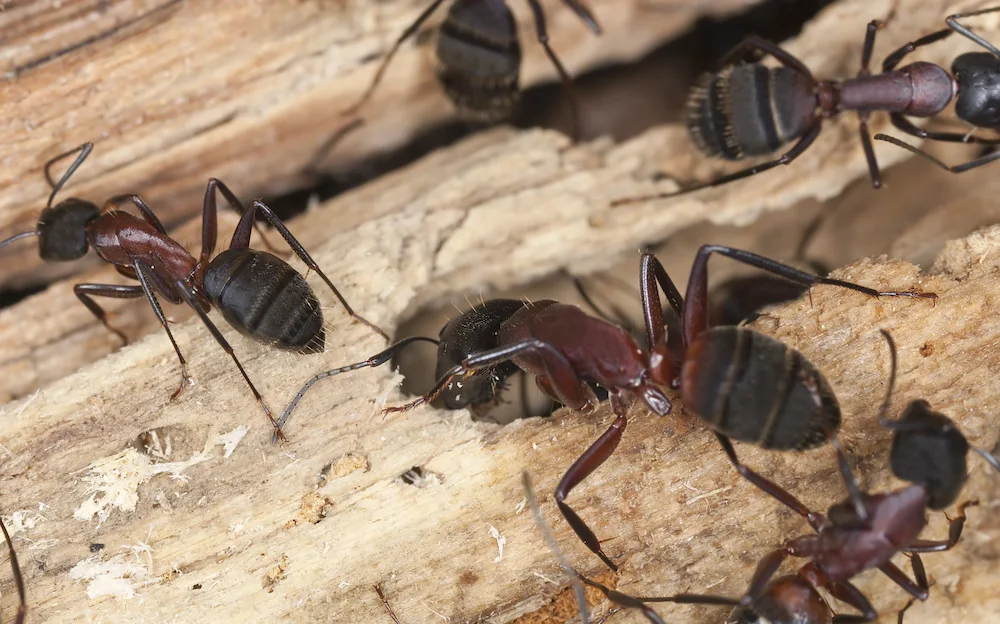
Unlike termites, carpenter ants do not eat wood. Instead, they excavate it to build nests. When moisture softens wood over time, it becomes much easier for these ants to tunnel through, increasing the risk of structural damage in homes throughout the region.
Why Moisture Attracts Carpenter Ants
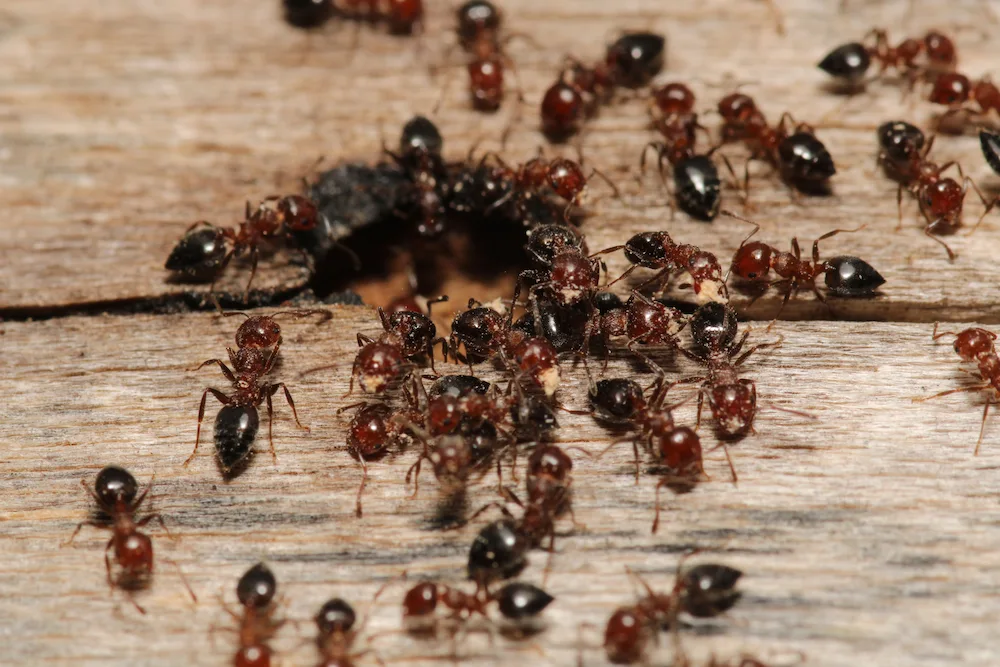
Moisture is the number one factor behind carpenter ant activity in the PNW. Wet or decaying wood provides the ideal conditions for nesting, making damp environments especially vulnerable.
This is exactly why moisture attracts carpenter ants so strongly. Rain, humidity, and poor ventilation can all contribute to wood becoming soft and easier to excavate. Common problem areas include:
- Crawl spaces with high humidity
- Leaky roofs or plumbing
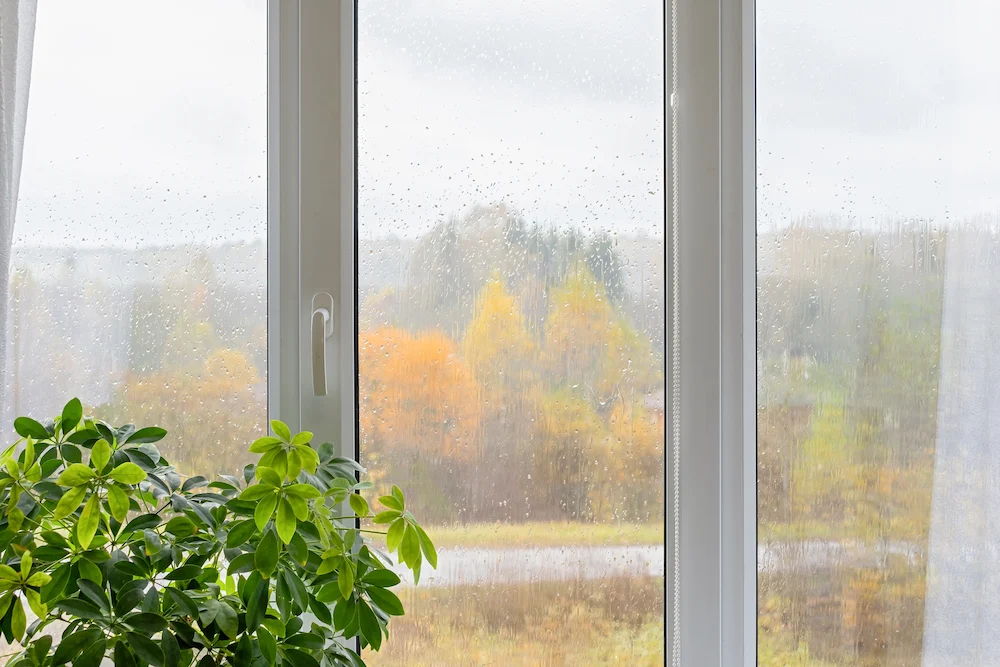
- Window frames exposed to rain
- Decks and siding with prolonged moisture exposure
In many cases, carpenter ants are not the first problem. Moisture damage occurs first, and then ants take advantage of the weakened wood.
Carpenter Ant Infestation Causes in PNW Homes
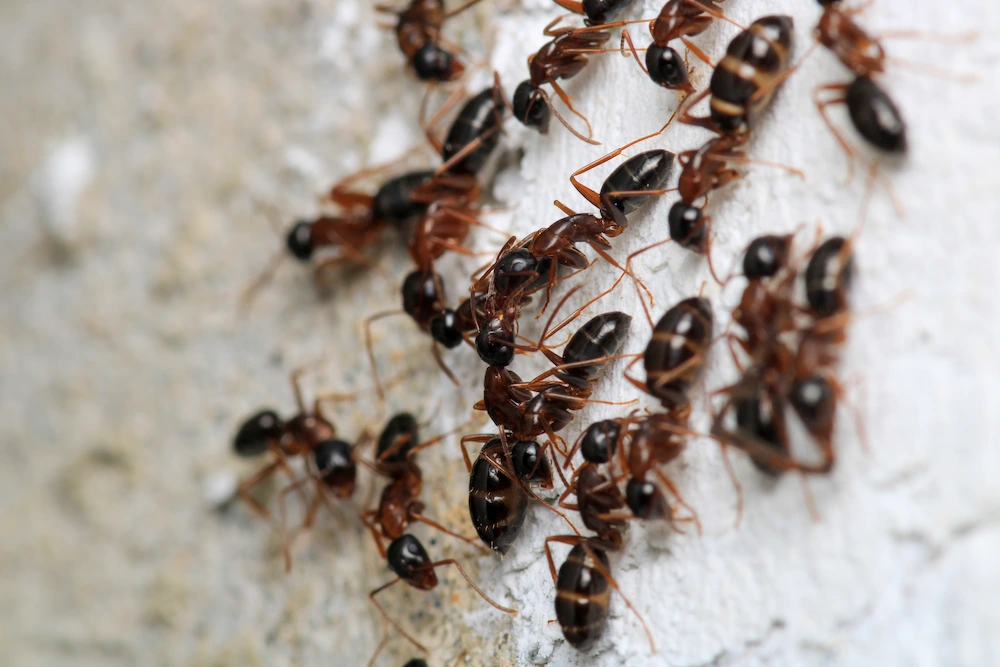
Understanding carpenter ant infestation causes can help homeowners prevent issues before they start. In the Pacific Northwest, most infestations are tied directly to environmental conditions rather than simple chance.
Persistent rain creates long periods where wood does not fully dry out. This leads to gradual decay, which carpenter ants prefer for nesting. Homes with poor drainage, clogged gutters, or shaded areas that stay damp are especially at risk.
Another major factor is hidden moisture. Wall voids, attic spaces, and crawl spaces can trap humidity without obvious signs. Over time, this creates ideal nesting sites that remain unnoticed until ant activity becomes visible.
Why PNW Pest Problems Often Include Carpenter Ants
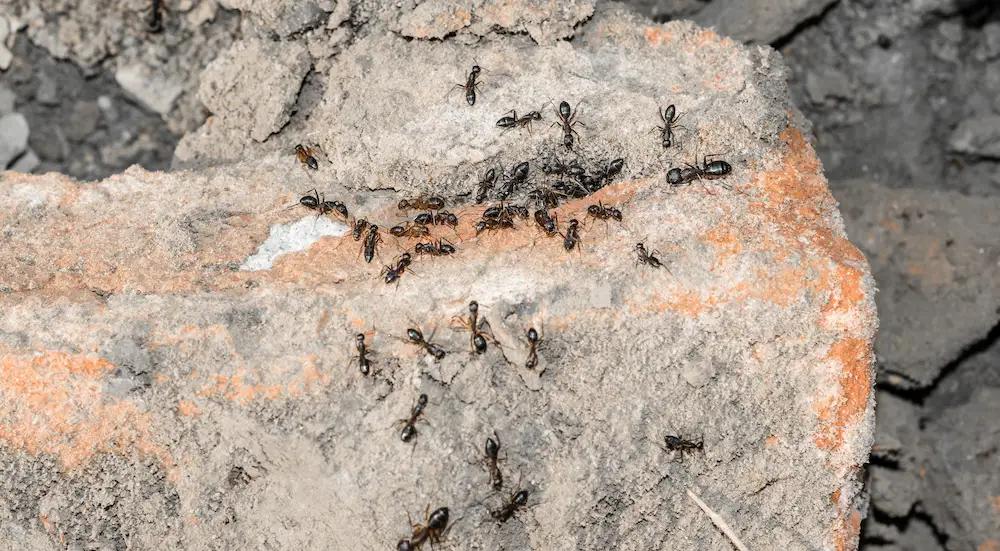
When discussing PNW pest problems, carpenter ants are almost always part of the conversation. The region’s climate supports both the ants and the conditions they need to thrive.
Unlike some pests that appear seasonally, carpenter ants can remain active for much of the year in the Pacific Northwest. Mild winters allow colonies to survive and expand, while wet conditions continue to support nesting sites.
Homes surrounded by trees, dense landscaping, or wood features are particularly vulnerable. Fallen branches, tree stumps, and wood piles can serve as starting points for colonies that eventually spread toward the home.
Signs of Carpenter Ant Activity in Damp Areas
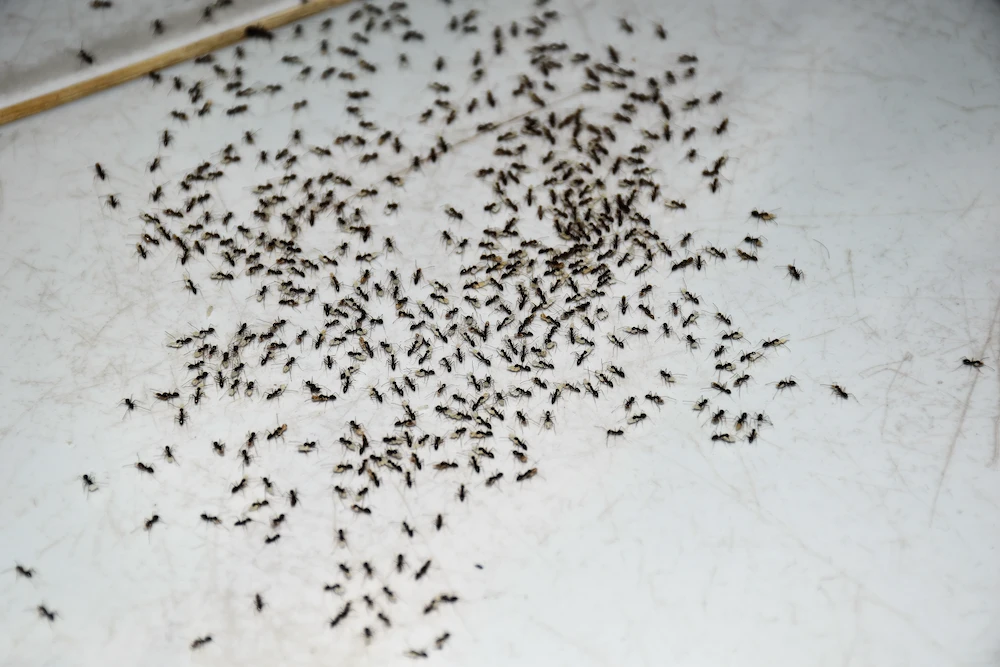
Carpenter ants are not always easy to detect early, but there are a few warning signs that often appear in moisture prone areas.
You may notice large black ants indoors, especially near kitchens, bathrooms, or windows. Unlike smaller ant species, carpenter ants are more noticeable due to their size.
Other signs include sawdust-like material called frass near wooden structures, faint rustling sounds inside walls, or increased activity at night. These signs often indicate that ants are nesting in or near damp wood.
How to Prevent Carpenter Ants in Damp Areas
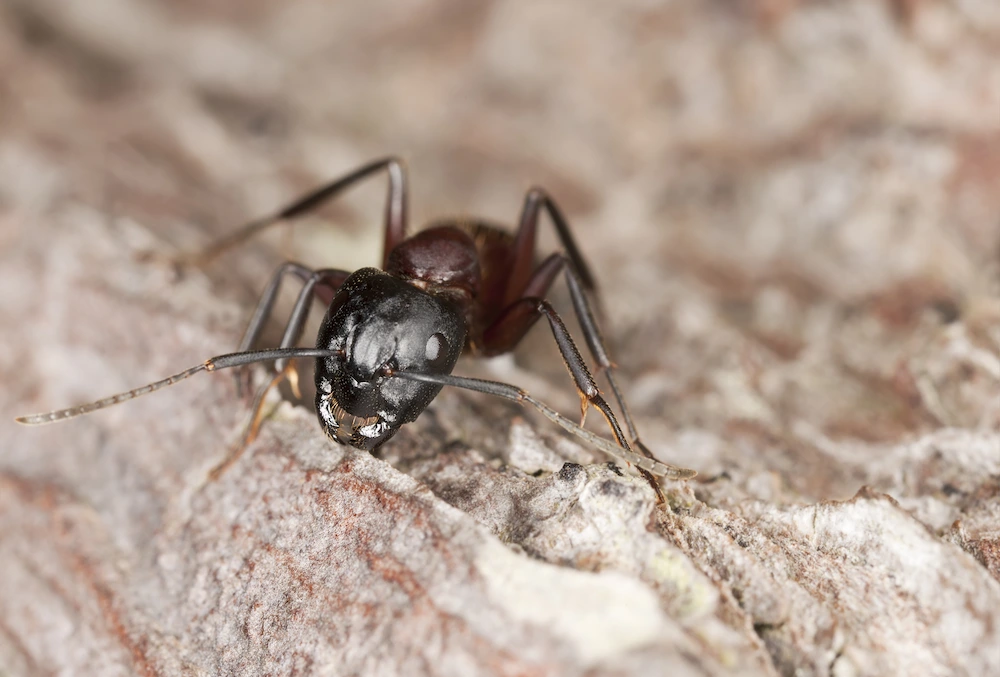
The most effective way to prevent carpenter ants in damp areas is to control moisture and eliminate conditions that attract them. Prevention focuses on making your home less appealing for nesting.
Here are a few practical steps homeowners can take:
- Fix leaks in roofs, plumbing, and exterior fixtures
- Improve ventilation in crawl spaces and attics
- Clean gutters and ensure proper drainage away from the home
- Replace or repair damaged or rotting wood
- Keep firewood and debris away from the foundation
By reducing moisture and removing compromised wood, you make it much harder for carpenter ants to establish a colony.
Long-Term Protection for PNW Homes
Because moisture is such a constant factor in the Pacific Northwest, prevention should be ongoing rather than seasonal. Regular inspections and maintenance help catch small issues before they turn into larger infestations.
If carpenter ants continue to appear despite preventive efforts, professional pest control may be necessary. Experts can locate hidden nests, identify moisture sources, and create a targeted treatment plan.
Understanding why carpenter ants in the Pacific Northwest are more common is the first step toward protecting your home. With proper moisture control and consistent maintenance, you can reduce the risk and keep your structure safe year round. Contact us for a free quote on our effective pest control services today!
Citations
What you need to know about Pacific NW carpenter ants. (n.d.). Get Smart Rat Solutions. Retrieved April 13, 2026, from https://getsmartratsolutions.com/what-you-need-to-know-about-pacific-nw-carpenter-ants/