
Summary: Earwigs thrive in dark, damp areas with access to decaying plants and tight spaces. This blog breaks down why earwigs are busy fall pests and how to manage their activity around PNW homes.
Once the weather turns cooler and the rainfall increases, pests know it’s time to find their winter shelters. They need to make it through the winter to reproduce in the spring. Some pests thrive in the damp climate, and none seem to be as busy as the humble earwig.
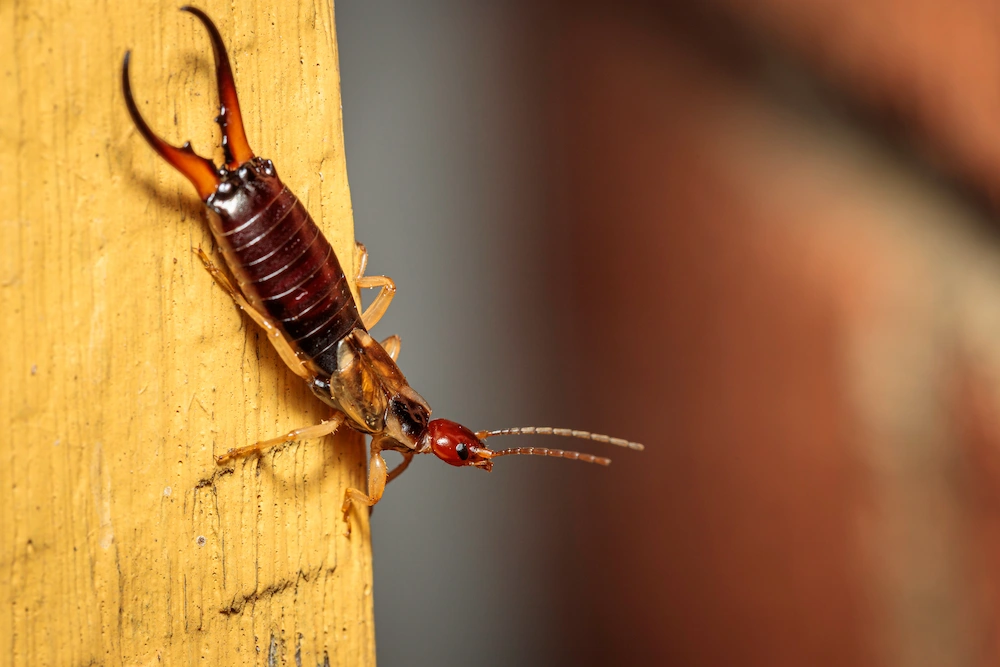
These brown insects are known for their sharp pinchers and preference for dark, damp spaces. One earwig doesn’t necessarily mean there’s a huge infestation, but multiple earwigs in the same spot can point to a moisture problem that needs to be addressed.
Let’s find out why earwigs love fall and gather near PNW homes once those cooler temperatures are more consistent.
Earwigs Love Moisture
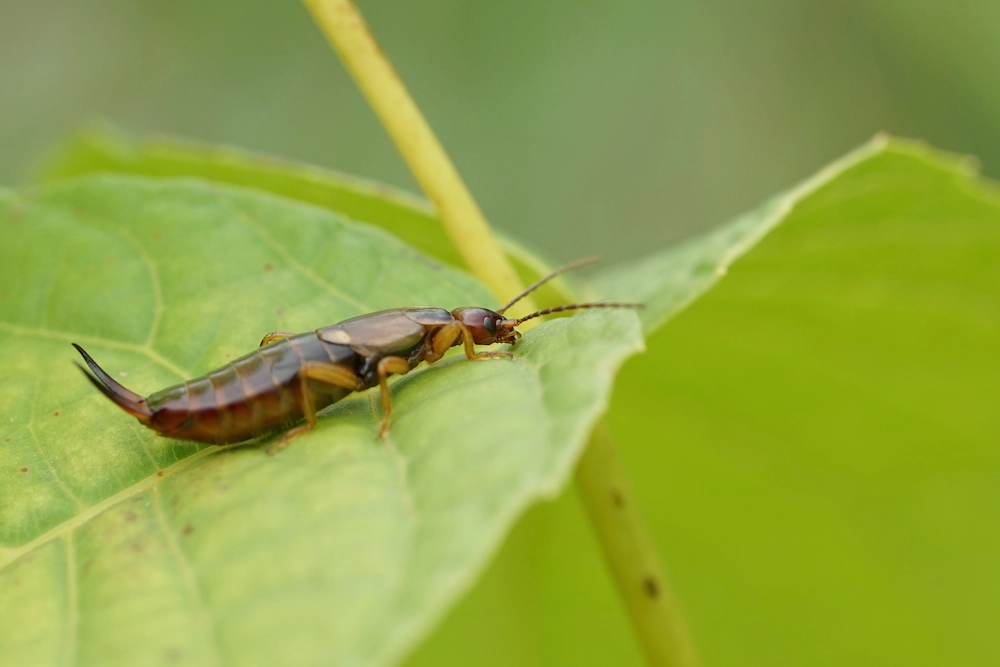
First and foremost, earwigs love moisture more than anything else. This is why increased rainfall and overwatered plants bring earwigs out of hiding. When conditions are dry, earwigs flock towards irrigation for their essential water.
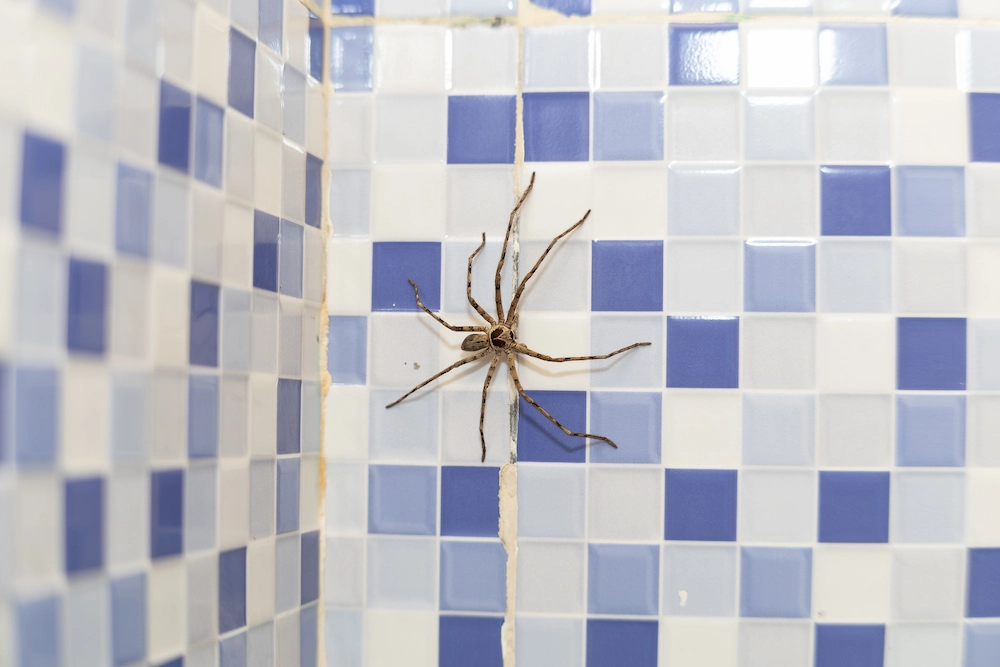
While they generally stay outdoors, earwigs can settle down in a house with a concealed leak or excessive moisture. Humid rooms, like the bathroom or laundry room, often attract earwigs since they have consistent moisture.
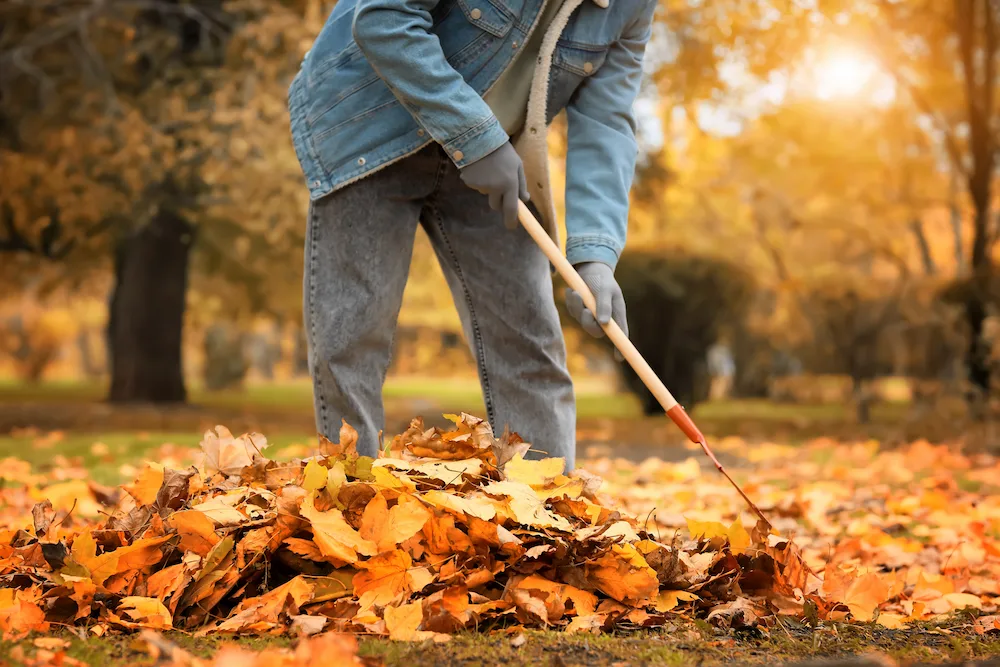
You’ll see the highest concentration of earwigs in damp areas with hiding spots, like under an overwatered plant or in a pile of wet leaves. If you see multiple earwigs in a specific indoor spot, they may be a sign of a moisture issue. Some pests can actually be helpful when they show us our necessary home repairs!
Earwigs have Cooler Hiding Spots
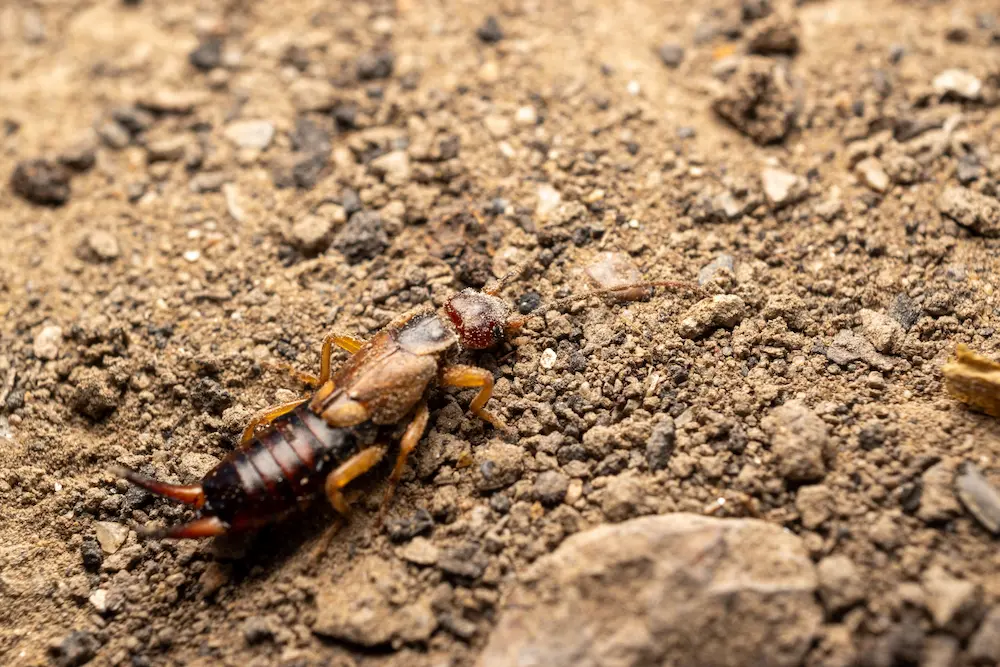
Cooler habitats, combined with the extra moisture, are the ideal conditions for earwigs. Since they’re nocturnal, earwigs hide in dark, moist areas during the day. They’re most populous in grassy areas and woodlands, but earwigs can live anywhere that they have ample moisture.
Earwigs are also positively thigmotactic, meaning they feel safer when they’re squeezed into tight spaces. They can even compress their bodies to fit within snug areas. Roaches and bed bugs are other positively thigmotactic pests that hide in tight cracks and crevices.
The favorite hiding spots of earwigs include:
- Gardens
- Mulch
- Flower beds
- Leaf piles
- Basements
- Bathrooms
- Laundry rooms
- Crawl spaces
- Rocks
- Thick bushes
- Floorboards
- Lawn clippings
- Tree trunks
- Potted plants
Earwigs are (Sometimes) Helpful Omnivores
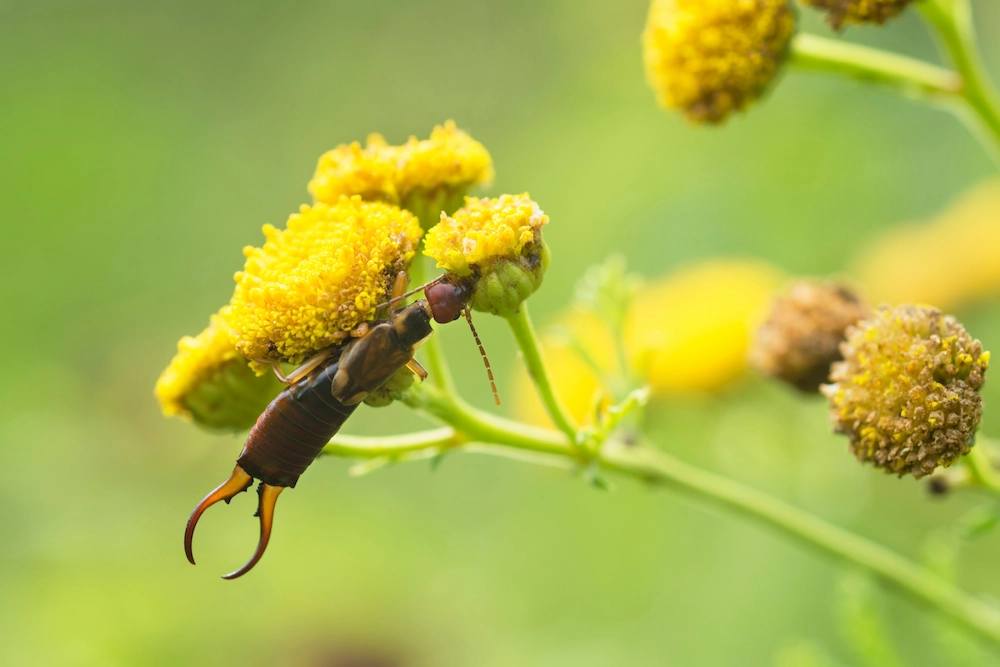
Although other insects are starting to find their overwintering shelters, earwigs still have plenty of food sources. They’re omnivores that eat both insects and plant matter, but earwigs straddle the line between “helpful” and “hurtful” with their diets.
The helpful part of their diets is, of course, the insects. Earwigs eat plant pests, like aphids and caterpillars. They’ll even eat other earwigs! Decaying plant matter is another beneficial food since earwigs enrich the soil by recycling the plant debris.
Conversely, the hurtful portion poses a threat to our plants. Earwigs are known to eat leaves, flowers, crops, and soft fruits. Mature trees and plants won’t suffer from an earwig invasion, but seedlings and smaller plants might. When a lot of earwigs feed on one plant, they can stunt its growth and ruin its output.
Earwigs cause the most plant damage in summer when their activity and the plant growth is the highest. They’ll even attack fruit that’s already damaged by birds and other pests. Earwigs will either stay near the surface and make irregular holes, or they’ll bore further near the pit if it’s a stone fruit.
Earwigs are Drawn to the Light
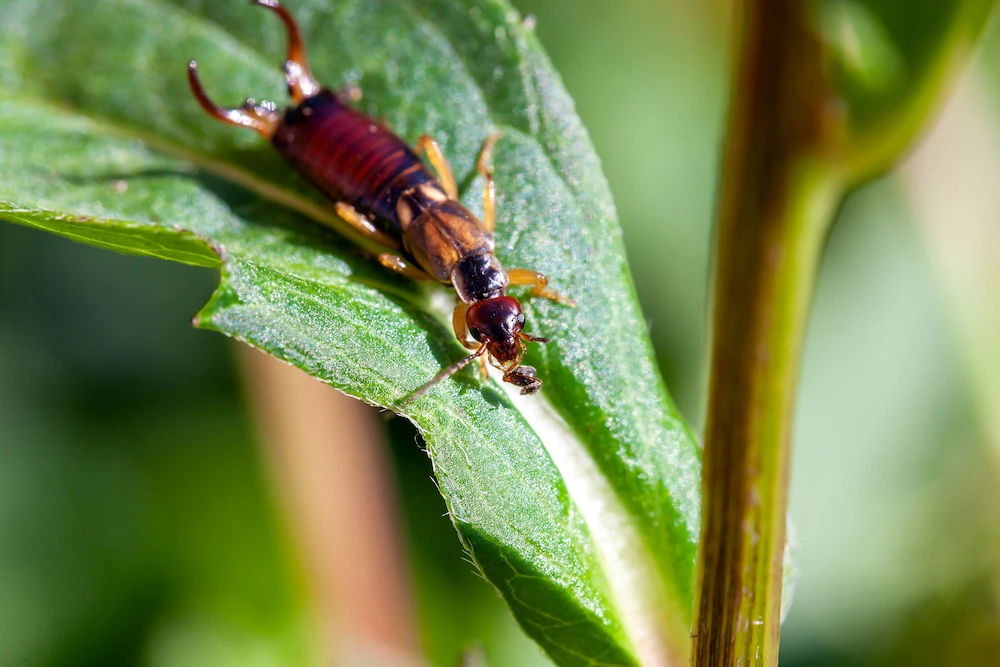
It sounds contradictory since earwigs are darkness-loving nocturnal pests, but they really are drawn to the light! For the most part, earwigs do stay in the dark and come out at night to feed. Once they start foraging for food, earwigs might find themselves near a house with glowing outdoor lights.
Like other nocturnal pests, earwigs are drawn to white lights. Nighttime pests use the moon as their guiding light, but they can get distracted by a bright artificial light. It seems like they’re worse in the cooler months, but that’s just because our lights are on for longer to counteract the increased dark hours.
Earwigs aren’t eusocial like ants, but they will invite other earwigs to the party. When they find a safe shelter, earwigs release alert pheromones (scent chemicals) to attract more earwigs to that tight space. They just need an entry point that’s 1/8 of an inch wide, so earwigs can fit into most cracks and crevices.
How Earwigs Spend the Winter
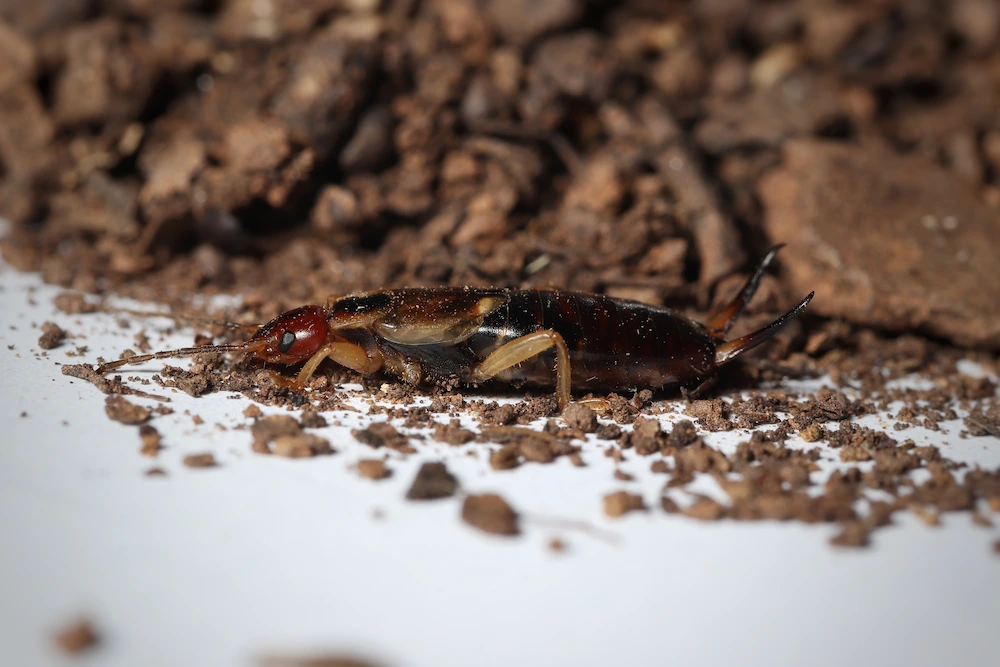
Earwigs might have plenty of food and shelter now, but what happens when winter arrives? Well, earwigs have two options. They can either burrow underneath the soil’s frost line, or they can invade a house for additional warmth.
Either way, earwigs mate in the fall and overwinter together, then females isolate themselves to reproduce in the spring. You can actually differentiate between males and females by looking at their pinchers, or cerci. Males have curved cerci that stay apart, and females have straight cerci that intersect.
When female earwigs lay egg clutches in the spring, they stay with their offspring until the nymphs are able to find their own food. If it’s an especially warm spring, the young pests develop quicker and earlier. The easiest way to avoid a spring earwig invasion is to start preventing them in the fall!
Eliminate the Reasons Why Earwigs are Busy Fall Pests

Pest prevention is all about eliminating attractants and sealing your home. The good news about earwigs is that they aren’t hazardous to your family’s health and safety. The story behind their name that claims they crawl in our ears and lay eggs is a complete myth, so that stress is gone!
For outdoor earwig prevention, the key is controlling your water situation. Avoid overwatering your plants by letting the topsoil dry before watering them again. Also, don’t let mulch, soil, or woodpiles sit right against the house; these pest habitats make it easy for earwigs to slip indoors. There should be at least a foot-wide gap between the material and the house.
Sealing entry points is essential for preventing all kinds of pests, including earwigs. Check your house’s exterior often for new holes or cracks. Utility penetrations, weatherstripping, and foundation cracks are common entry points. Use waterproof caulk to seal gaps and replace any worn weatherstripping.
Indoors, controlling the moisture is just as important. Use a dehumidifier in spaces that trap moisture, and fix any leaks you find ASAP. There shouldn’t be standing water in your sinks, bathtubs, or showers when the faucets are off. Plumbing issues need to be promptly addressed to remove this extra moisture.
If you’re seeing lots of earwigs in your home, professional services from Pointe are required. These pests can hide in the walls or deep crevices that are unreachable with DIY methods. When you need efficient solutions, Pointe is here to help!
Say Goodbye to Your Fall Pest Worries with Pointe!
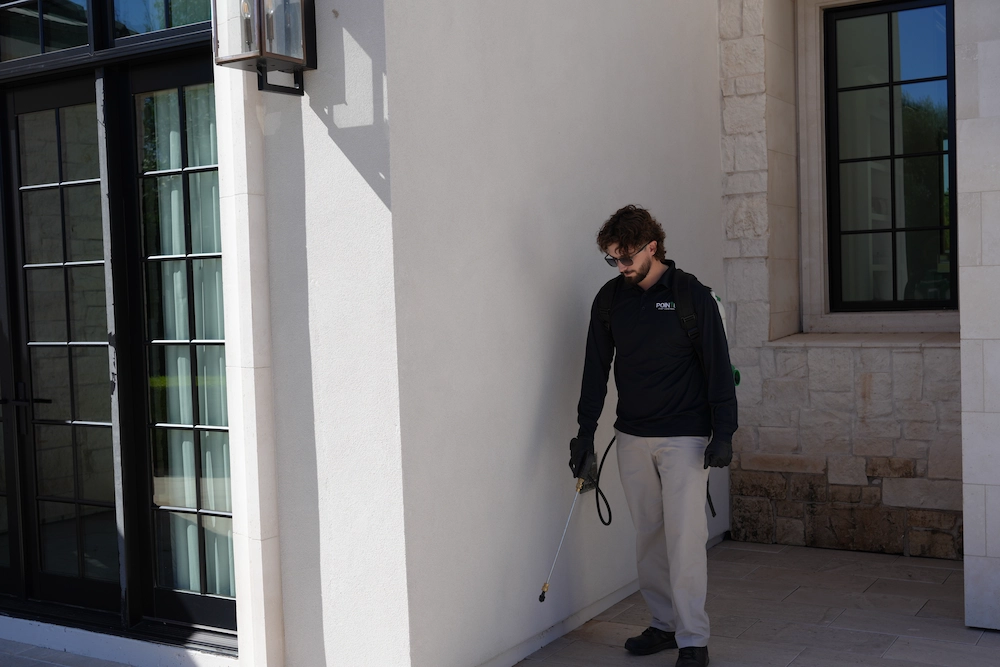
As busy as earwigs are, Pointe Pest Control’s technicians are even busier delivering lasting pest solutions! Our year-round services target each season’s pests with exclusions, barrier treatments, baiting services, and nest removals. We prevent future issues by taking the proper measures against current pests.
Fall pests want to get inside your house before the freezing temperatures arrive. When you stay on top of your daily chores and tidy up the yard, Pointe’s efficient services have a solid foundation to build our effective services upon. Preventative tasks and professional treatments work together to achieve long-term pest control.
For a free quote on our dependable pest control services, contact us today!
Citations
Antonelli, A.L., Hoyt, S.C., & Orpet, R.J. (2019). Earwig. Washington State University — Tree Fruit. Available at https://treefruit.wsu.edu/crop-protection/opm/earwig/ (Accessed on September 28, 2026).
Earwigs. (2024). University of Minnesota Extension. Retrieved September 28, 2026, from https://extension.umn.edu/garden-and-home/yard-and-garden/yard-and-garden-insects/earwigs
Simerlink, A. (2026, August 2). What’s behind this year’s earwig activity?. East Idaho News.com. Available at https://www.eastidahonews.com/2026/08/whats-behind-this-years-earwig-activity/ (Accessed on September 28, 2026).