
Summary: Explains the plants that attract pests, why insects target certain plants, and provides simple, effective tips to protect gardens and reduce pest problems.
A healthy garden can still attract unwanted visitors. Many popular flowers and plants naturally draw insects due to their scent, nectar, or soft foliage. Understanding plants that attract pests helps you stay ahead of potential problems without giving up the plants you love.
The good news is that you do not need to remove these plants entirely. With the right approach, you can enjoy your garden while minimizing damage and keeping pest activity under control.
Why Certain Plants Attract More Pests
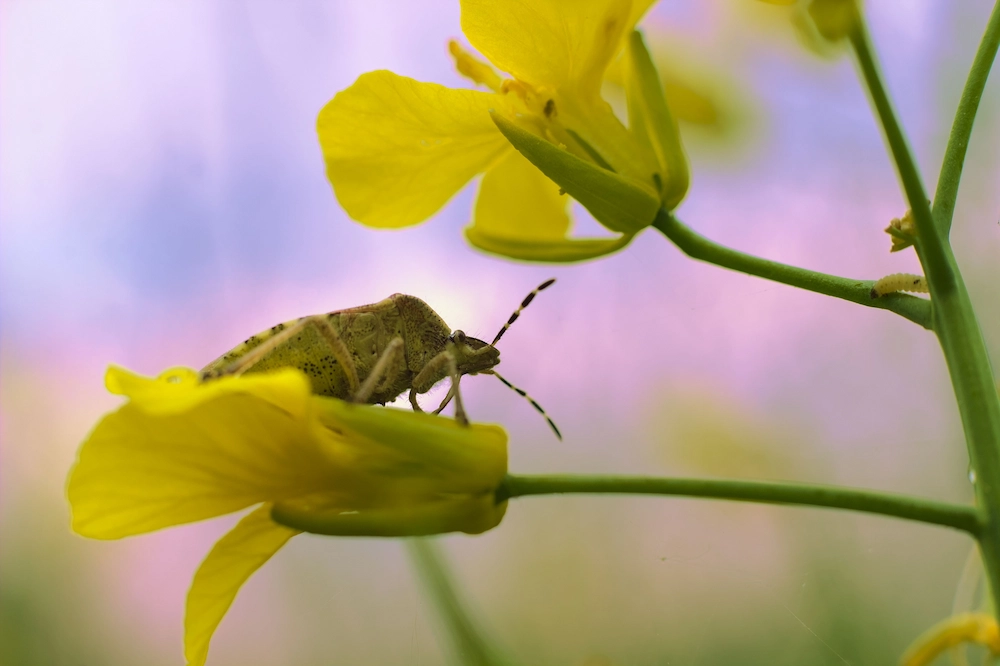
Not all plants are equally appealing to insects. Some produce sweet nectar, while others have tender leaves that are easy for pests to chew. These traits make them more vulnerable to infestations.
This is why common garden pest problems often show up on the same types of plants year after year. Insects are drawn to reliable food sources, and once they find them, they tend to return.
Environmental factors also play a role. Overwatering, poor airflow, and overcrowded plant beds can make pest issues worse by creating ideal breeding conditions.
Popular Plants that Tend to Attract Pests
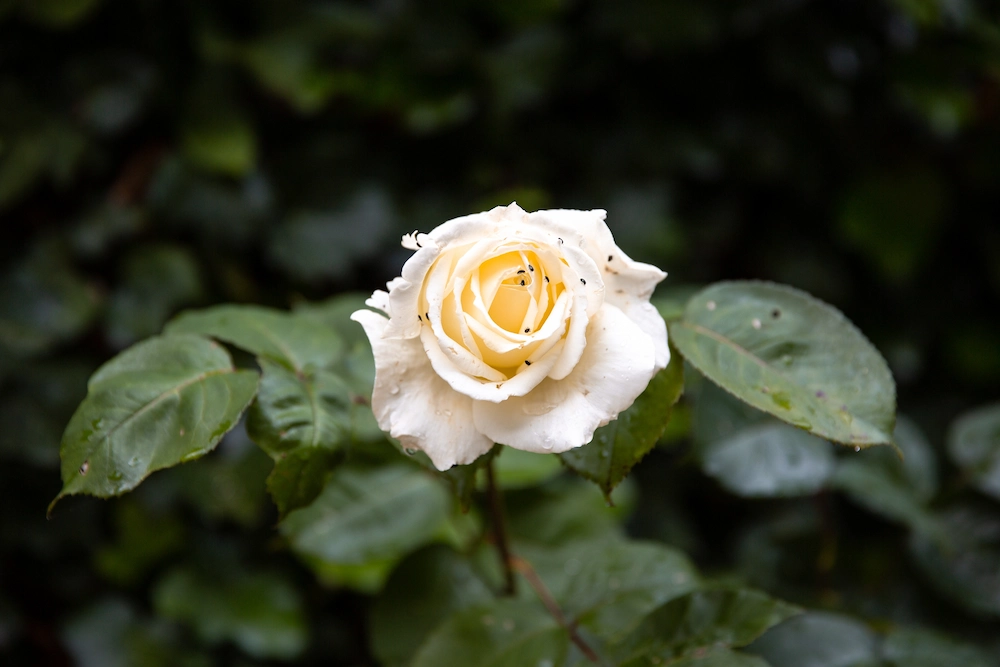
Many well-loved garden plants are known for drawing insects. While they add beauty and color, they can also become hotspots for pest activity if not maintained properly.
Here are a few common examples of plants that attract pests:
- Roses: Often attract aphids, spider mites, and beetles
- Sunflowers: Can draw caterpillars, beetles, and leaf miners
- Tomatoes: Frequently targeted by hornworms and whiteflies
- Zinnias: Attract aphids and Japanese beetles
- Marigolds: Sometimes draw spider mites despite their pest-repelling reputation
These plants are not inherently bad. They simply require a bit more attention when it comes to pest management.
How Pests Damage Your Plants
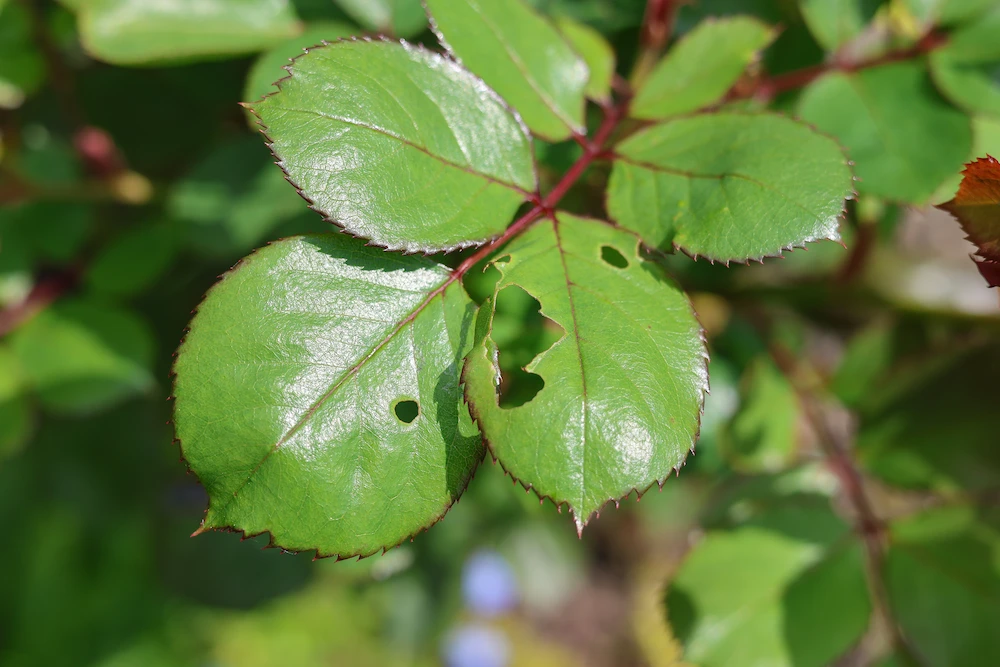
Pests can harm plants in several ways, depending on the species. Some insects chew through leaves, while others suck sap from stems and foliage.
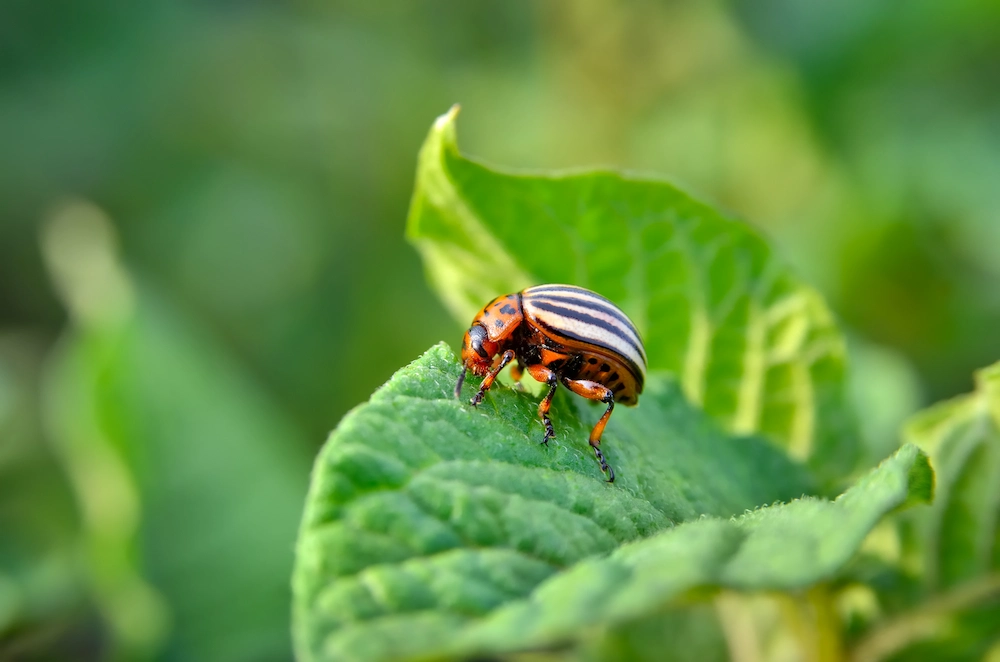
Chewing insects like caterpillars and beetles leave visible holes and damage. Sap feeding pests like aphids and mites weaken plants over time by draining nutrients. This can lead to yellowing leaves, stunted growth, and reduced flowering.
In some cases, pests also spread plant diseases. This adds another layer to common garden pest problems, making early detection even more important.
How to Keep Bugs Off Plants Without Harsh Chemicals
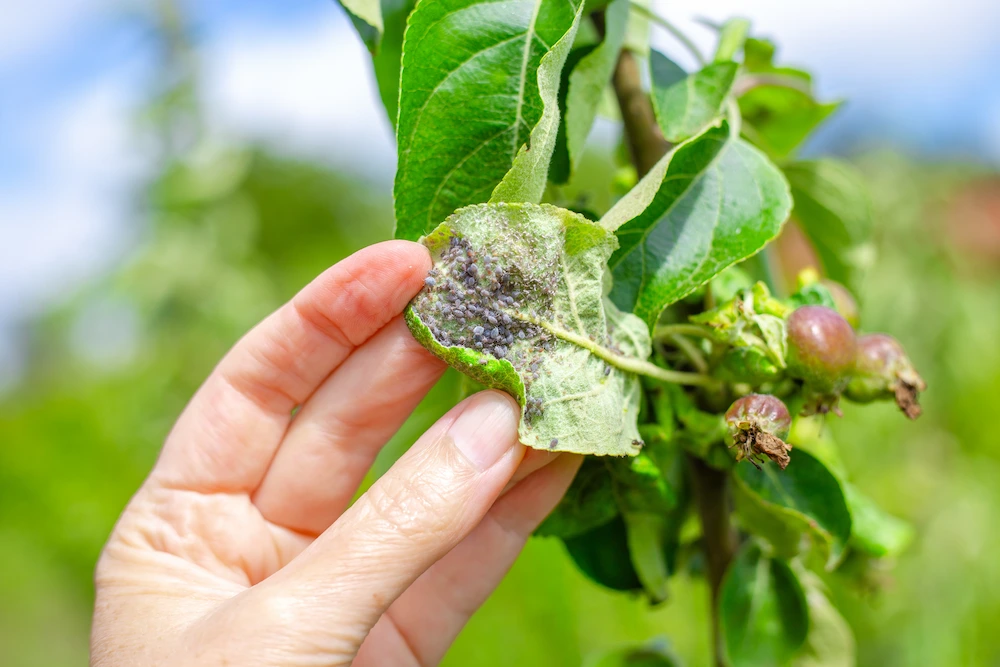
Protecting your garden does not always require strong pesticides. In many cases, simple and consistent care can reduce pest activity significantly.
If you are wondering how to keep bugs off plants, start with these practical steps:
- Inspect plants regularly for early signs of pests
- Spray leaves with water to remove small insects
- Remove damaged or infested plant parts
- Encourage beneficial insects like ladybugs
- Space plants properly to improve airflow
These methods help reduce pest populations while keeping your garden balanced and healthy.
Pest-Resistant Gardening Tips that Actually Work
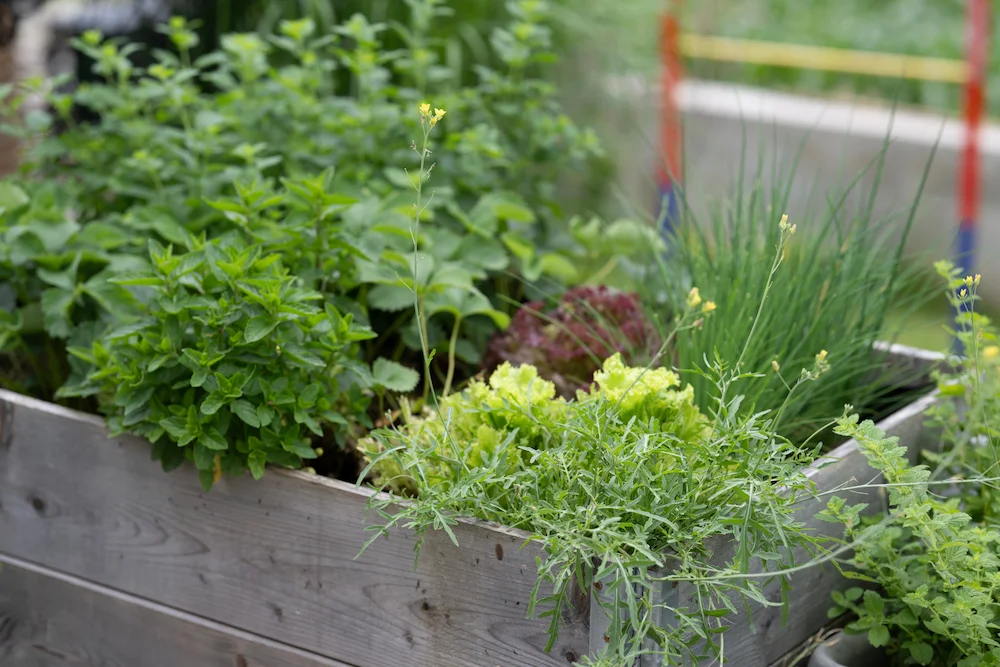
Building a resilient garden starts with prevention. Choosing the right plant combinations and maintaining healthy soil can make a big difference.
Some effective pest-resistant gardening tips include rotating crops, mixing pest-prone plants with more resistant varieties, and using companion planting strategies. For example, herbs like basil or lavender can help deter certain insects when planted nearby.
Healthy plants are also less likely to suffer severe damage. Proper watering, sunlight, and soil care strengthen plants and improve their natural defenses against pests.
How to Protect Plants from Insects Long-Term
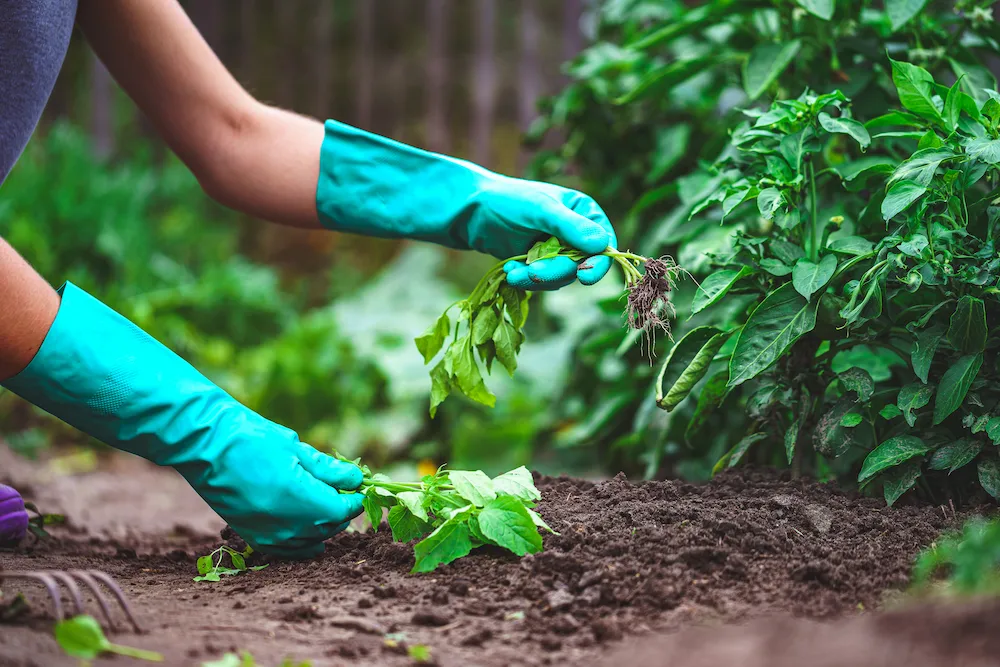
Long term protection comes from consistency. Occasional pest sightings are normal, but regular care prevents small issues from turning into larger infestations.
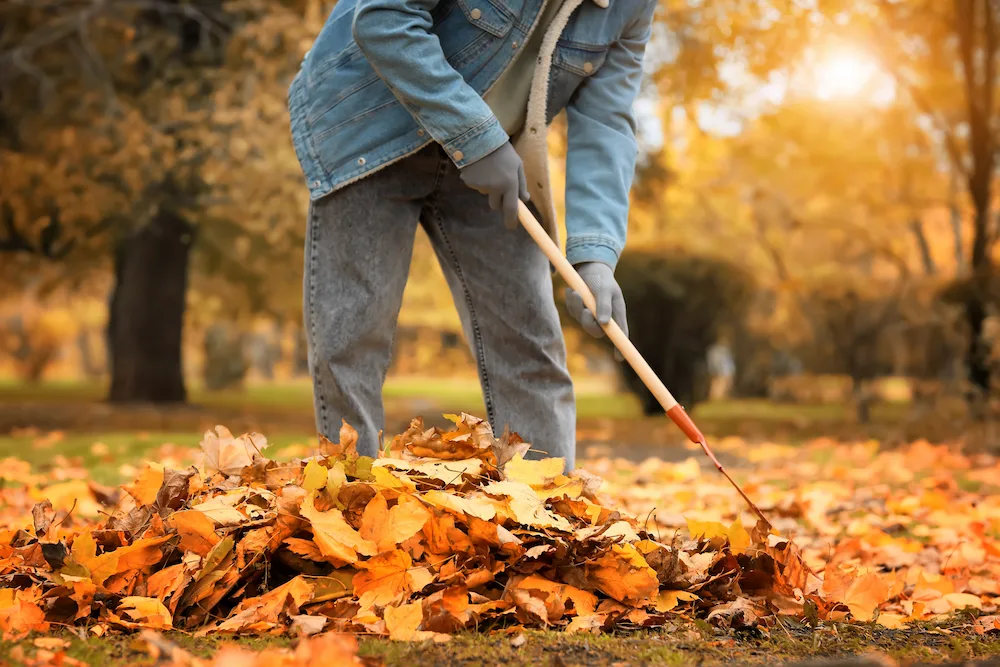
To protect plants from insects, focus on maintaining a clean garden environment. Remove fallen leaves, weeds, and debris where pests may hide or reproduce. Keep garden beds tidy and avoid letting organic matter build up excessively.
If pest activity becomes persistent or widespread, professional pest control or garden treatment solutions may be necessary. Early intervention helps protect both your plants and the overall health of your landscape.
Enjoy Your Garden Without the Pests
Some of the most beautiful plants naturally attract insects, but that does not mean you have to deal with constant damage. By understanding which plants draw pests and using simple prevention strategies, you can maintain a thriving and enjoyable garden.
With the right balance of care and awareness, you can reduce pest issues while still enjoying the color, texture, and life your favorite plants bring to your outdoor space. For a free quote on our effective services, contact us today!
Citations
Milbrand, L. (2025, June 23). 12 plants that attract unwanted bugs and critters to your yard. Real Simple. Available at https://www.realsimple.com/plants-that-attract-bugs-and-critters-11759507 (Accessed on April 14, 2026).