
Summary: Explains why multiple wasp nests may appear in a yard, what attracts wasps, and practical prevention strategies to reduce nesting activity around homes.
If you have noticed multiple nests appearing around your property, you may be asking, why are there so many wasp nests in my yard? While it can seem like wasps suddenly show up out of nowhere, there are usually specific conditions that make a yard attractive to nesting queens.
Food sources, water availability, shelter, and favorable weather conditions can all encourage wasps to establish colonies nearby. Understanding what draws them in is the first step toward reducing nest activity and protecting your outdoor spaces.
Why Do Wasps Keep Building Nests?
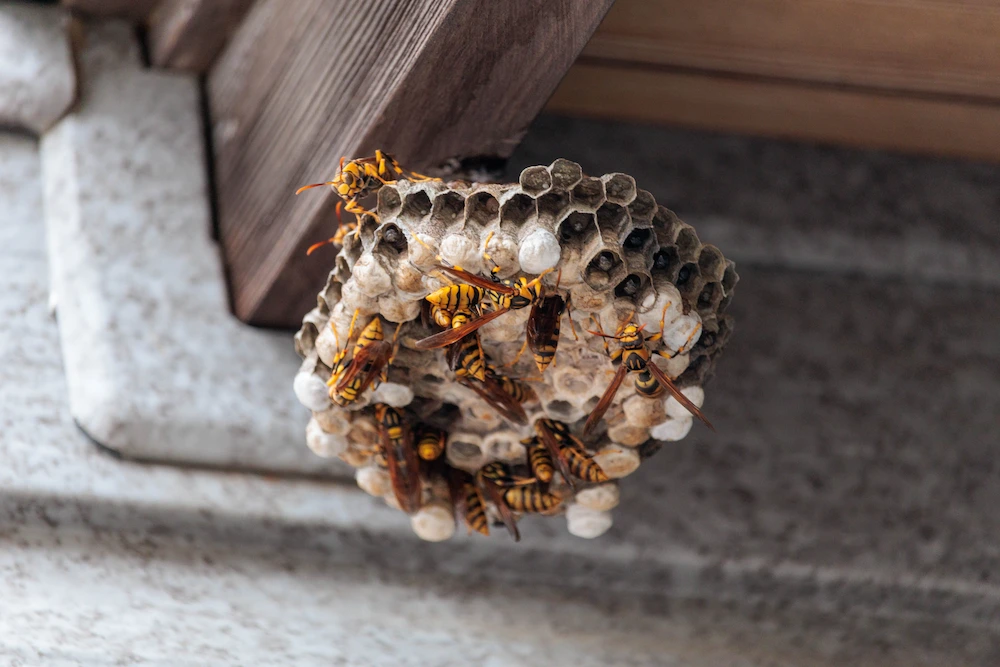
Every spring, fertilized queen wasps emerge from protected overwintering sites and begin searching for suitable places to start new colonies. Once they find a location that offers shelter and access to resources, they begin constructing a nest.
This is one reason why do wasps keep building nests in certain yards year after year. If a property consistently provides food, water, and protected nesting locations, it becomes an attractive environment for future colonies.
While old nests are generally not reused by social wasps, the same favorable conditions can encourage new queens to establish nests nearby each season.
What Attracts Wasps to My Yard?
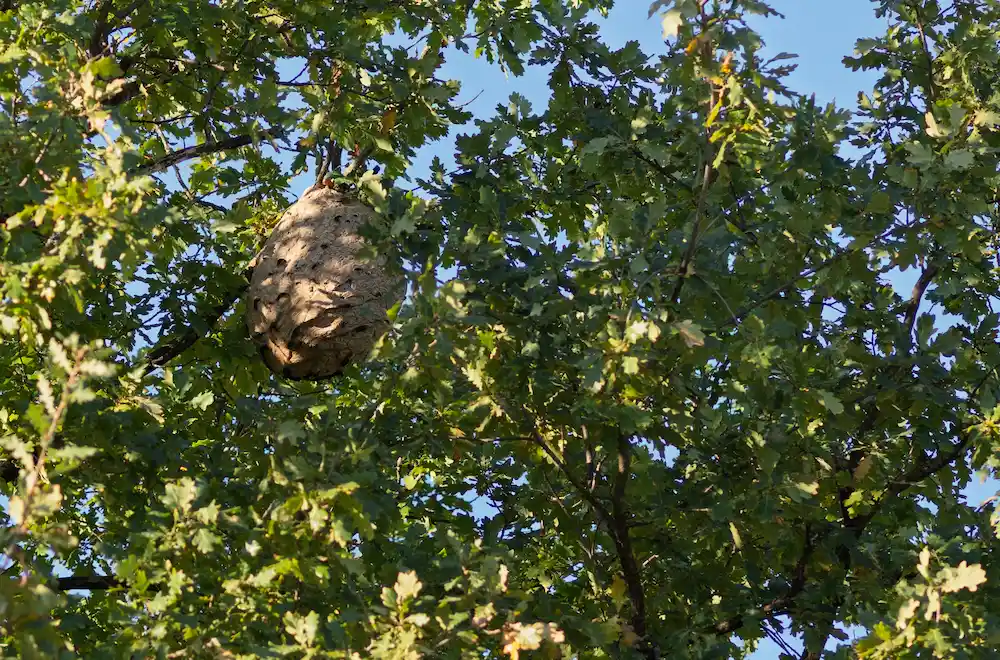
Many homeowners wonder, what attracts wasps to my yard in the first place. Wasps are constantly searching for resources that help their colonies grow and survive.
Common attractants include:
- Outdoor food and sugary drinks
- Uncovered trash and recycling bins
- Pet food left outside
- Flowering plants that provide nectar
- Standing water in birdbaths, planters, or gutters
Wasps also hunt insects to feed their developing larvae. If your yard has a large population of flies, caterpillars, or other insects, it may naturally attract more wasps.
Common Nesting Locations Around the Yard
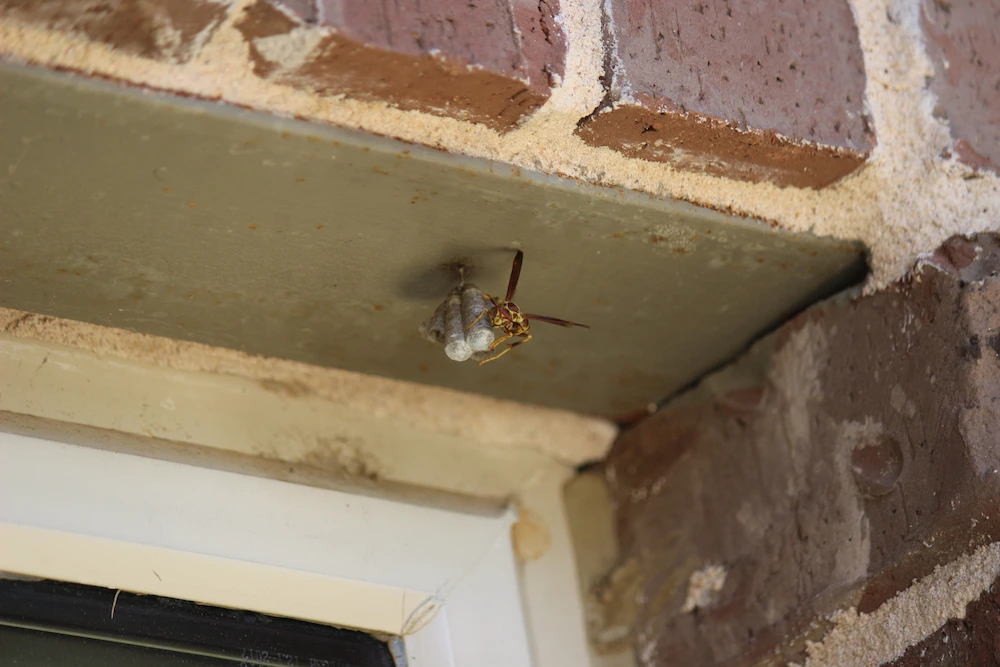
Different species choose different nesting sites, but most wasps prefer areas that provide protection from weather and predators.
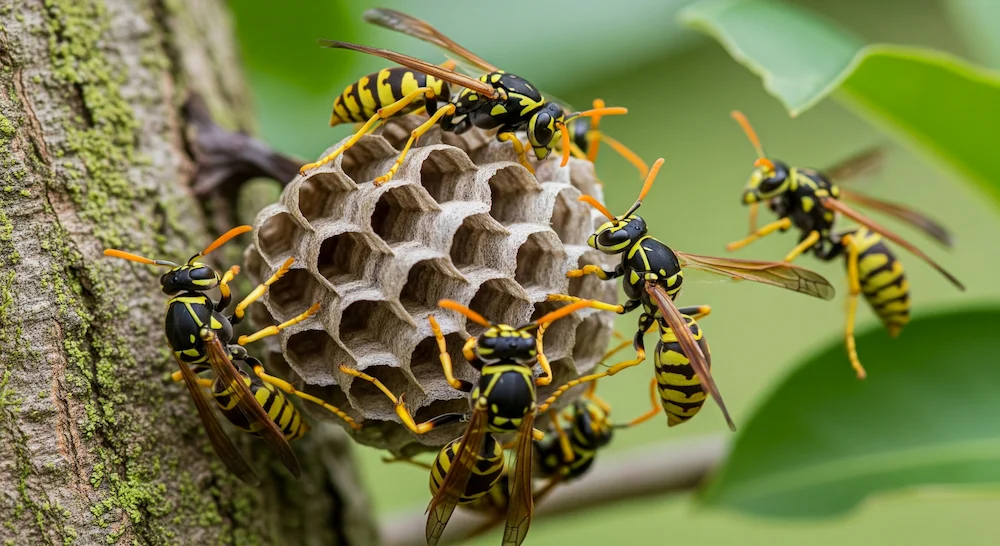
You may find nests under roof eaves, decks, sheds, fences, playground equipment, or dense shrubs. Some species build exposed paper nests, while others create nests inside wall voids or underground cavities.
Because these locations are often sheltered and undisturbed, they provide ideal conditions for colony development throughout the summer.
Why Some Properties Attract More Nests Than Others
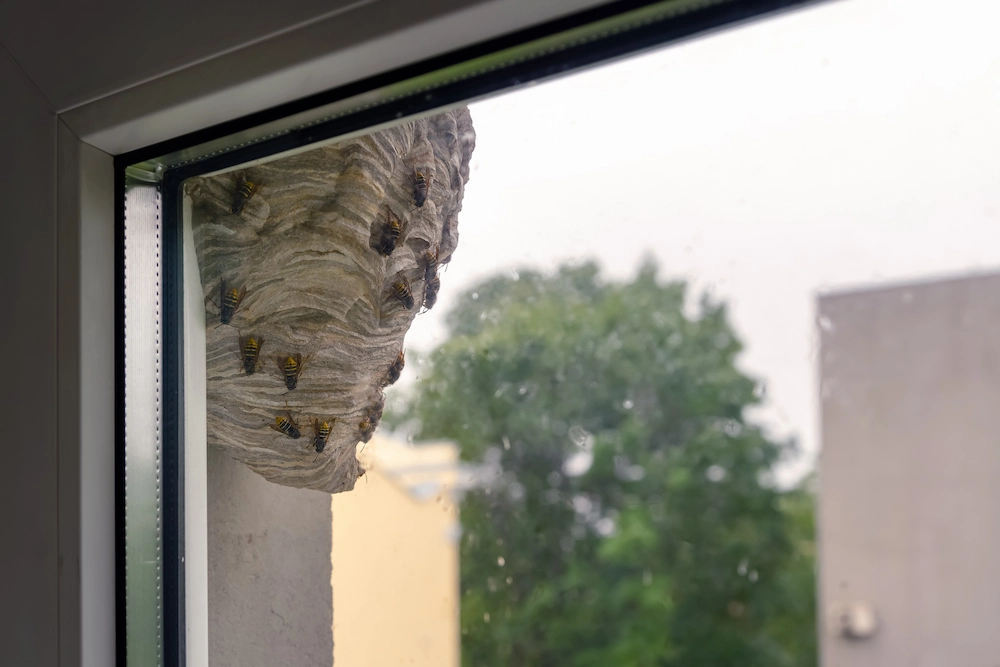
Not every yard experiences the same level of wasp activity. Properties with abundant food sources, mature landscaping, and multiple protected nesting areas tend to attract more colonies.
Warm sunny locations are especially appealing because they help regulate nest temperatures. Homes surrounded by trees, gardens, or dense vegetation may also provide additional shelter and insect prey.
This combination of resources often explains why are there so many wasp nests in my yard compared to neighboring properties.
How to Prevent Wasp Nests Before They Start
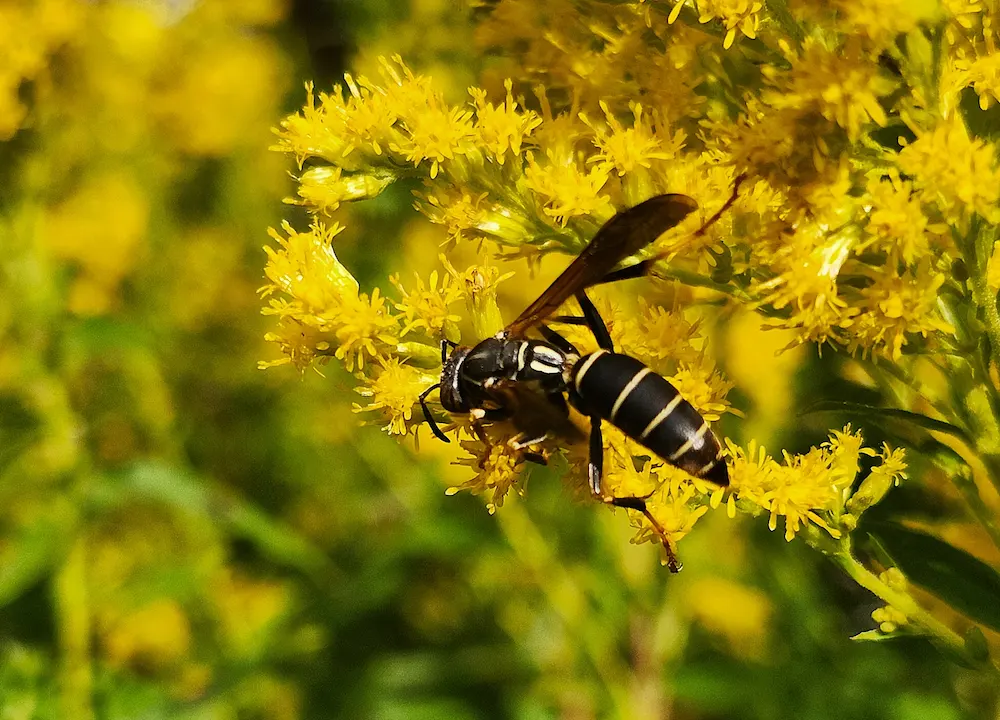
The most effective strategy is early prevention. Reducing attractants in spring can make your yard less appealing before queens establish colonies.
If you are looking for how to prevent wasp nests, focus on limiting food, water, and nesting opportunities:
- Keep garbage cans tightly sealed
- Clean outdoor dining areas regularly
- Remove standing water from containers and gutters
- Trim overgrown shrubs and vegetation
- Inspect structures for sheltered nesting spots
These steps help discourage queens from selecting your property as a nesting location.
Wasp Nest Prevention Tips for Homeowners
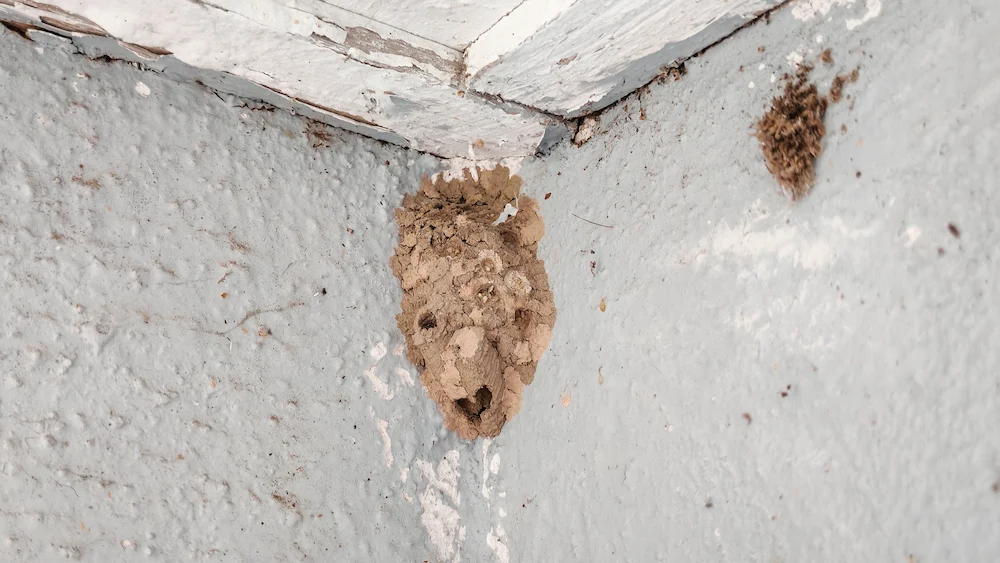
Consistent maintenance is one of the best wasp nest prevention tips homeowners can follow. Regular inspections allow you to identify small nests before they become large colonies.
During spring and early summer, check:
- Roof eaves and soffits
- Decks and porches
- Sheds and detached structures
- Play equipment and outdoor furniture
- Dense bushes and tree branches
Early detection is important because smaller nests are generally easier and safer to address than mature colonies.
How to Get Rid of Wasp Nests Safely
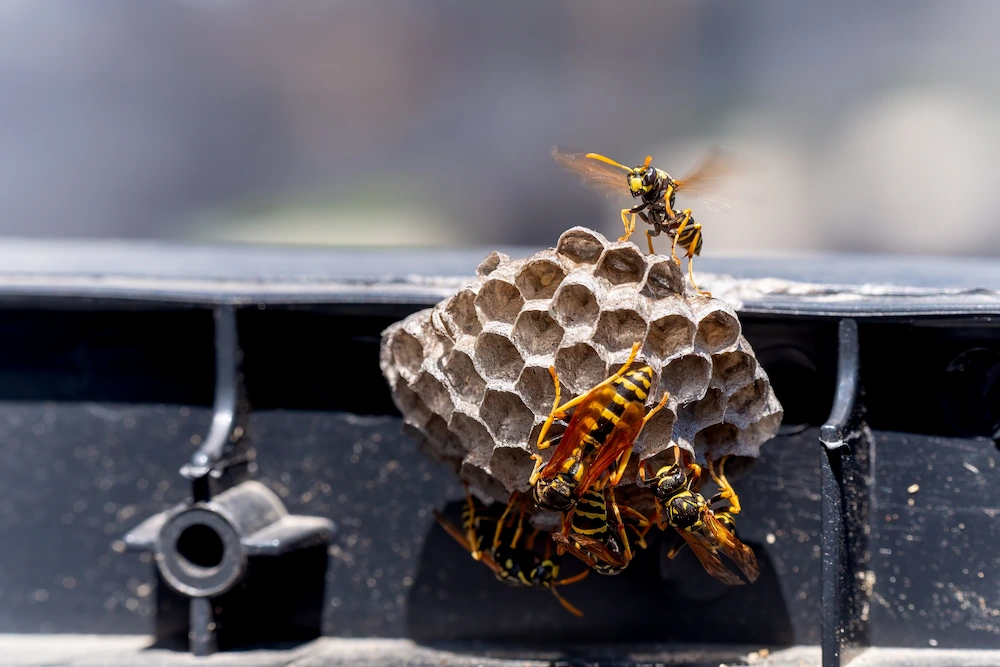
Many homeowners search for how to get rid of wasp nests when they discover active colonies near entryways, patios, or play areas. However, approaching a nest can be risky, especially when it contains hundreds of defensive workers.
Wasps will aggressively protect their colony if they feel threatened. Disturbing a nest without proper equipment can result in multiple stings.
For nests located near high traffic areas or attached to structures, professional removal is often the safest option. Pest control professionals can identify the species, assess the risk level, and remove the colony using appropriate methods.
Reduce Future Wasp Activity Around Your Yard
Wasps play a beneficial role in the environment by helping control other insect populations, but large colonies close to homes can create safety concerns.
By understanding what attracts wasps to my yard, reducing food and water sources, and following practical prevention strategies, homeowners can greatly decrease the likelihood of future nesting activity.
A proactive approach to maintenance and monitoring can help keep your outdoor spaces comfortable, safer, and more enjoyable throughout the warmer months. Contact us for a free quote on our targeted wasp control services today!
Citations
How to prevent wasp nests on & around your home. (2025, September 19). SpringGreen. Retrieved June 15, 2026, from https://www.spring-green.com/learn/blogs/blog-how-to-prevent-wasp-nests-on-around-your-home/