
Summary: Explains the most common pests attracted to pet food, how infestations occur, and practical storage and prevention tips to keep pet food protected.
Pet food provides essential nutrition for cats and dogs, but it can also attract a variety of unwanted pests. Whether food is stored indoors, in a garage, or left outside for pets, it can become a reliable food source for insects and rodents. Understanding pests attracted to pet food can help homeowners protect both their pets and their homes from infestations.
Many pests are drawn to the proteins, fats, and carbohydrates found in dry kibble and treats. Once they discover a food source, they often return repeatedly and may even establish nests nearby.
Why Pet Food Attracts Pests
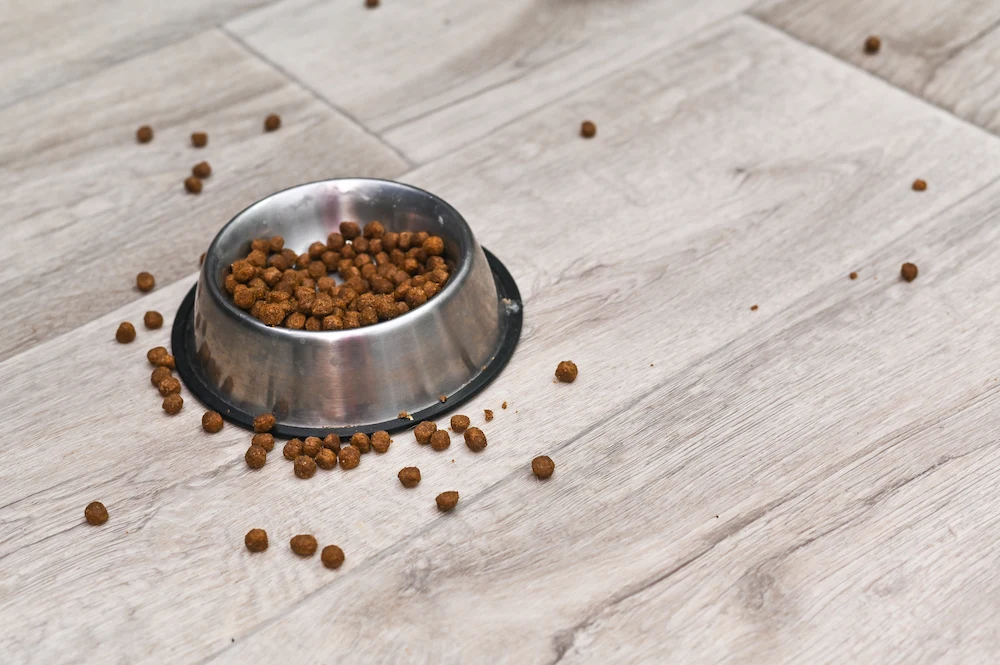
Pet food contains many of the same ingredients that insects and rodents seek in nature. Grains, meat products, fats, and flavorings provide a concentrated source of nutrition that can support large pest populations.
This is why even a small amount of spilled kibble can attract unwanted visitors. Food bowls left out overnight, open bags of pet food, and improperly sealed containers often become easy targets.
The longer food remains accessible, the more likely pests are to locate it and return regularly.
Common Pests in Pet Food
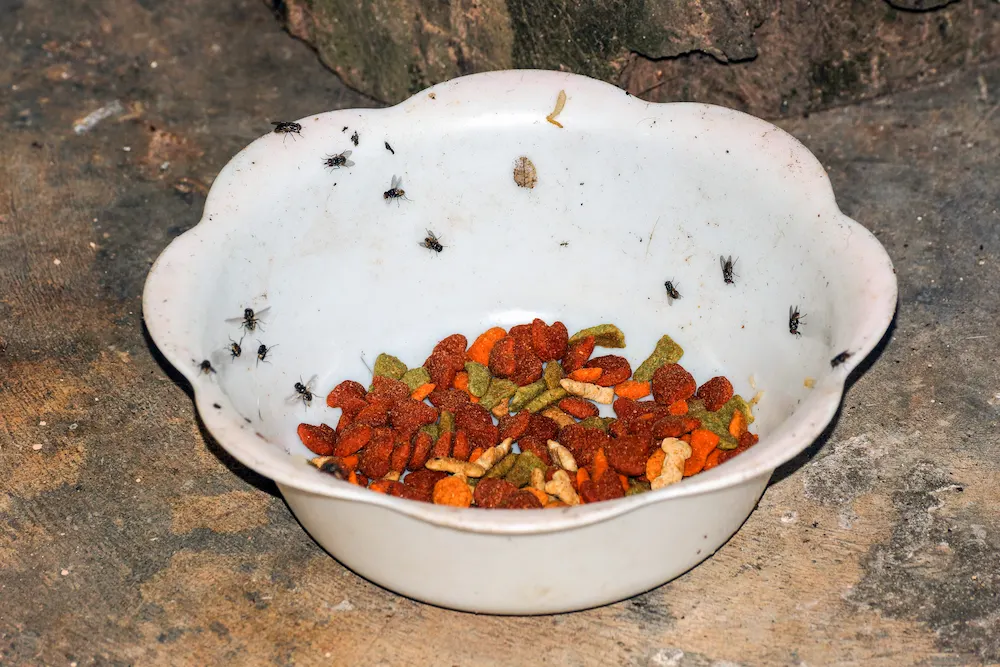
Several types of insects and rodents are known for invading stored pet food. Some contaminate the food itself, while others simply feed on crumbs and residue around feeding areas.
Some of the most common pests in pet food include:
- Ants
- Pantry beetles
- Indian meal moths
- Cockroaches
- Rodents such as mice and rats
These pests can quickly turn a minor issue into a larger infestation if food sources remain available.
Insects That Eat Pet Food
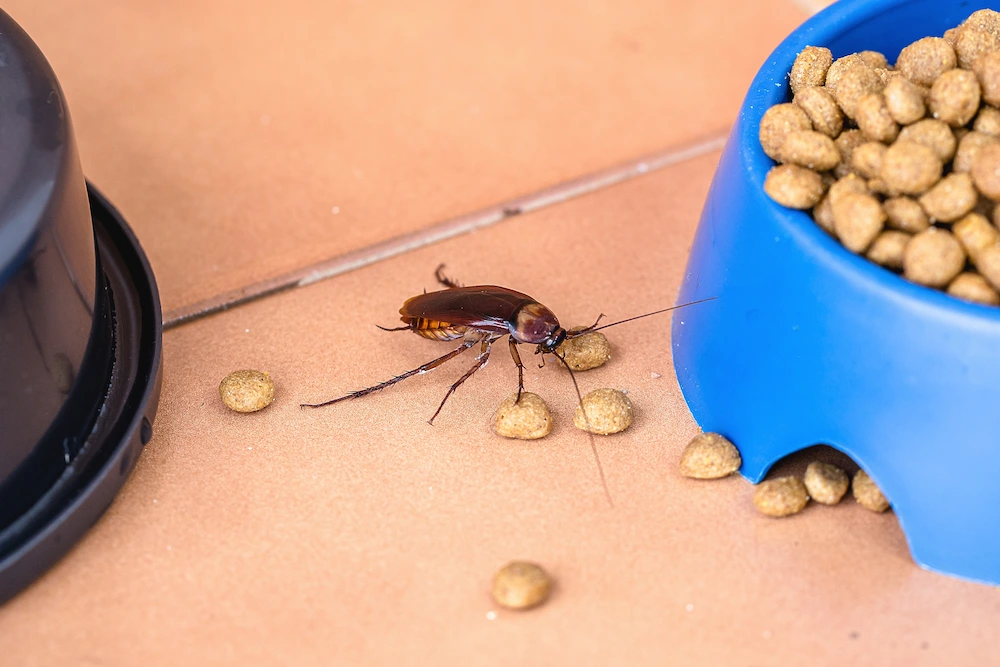
Many homeowners are surprised by the variety of insects that eat pet food. Dry kibble is especially vulnerable because it often contains grains that attract pantry pests.
Indian meal moths and various beetle species may infest bags of food during manufacturing, shipping, or storage. Once introduced into the home, these insects can spread to other stored food products.
Cockroaches and ants are also common visitors. They are opportunistic feeders and will readily consume pet food left in bowls or scattered around feeding stations.
Signs Pests are Targeting Your Pet Food
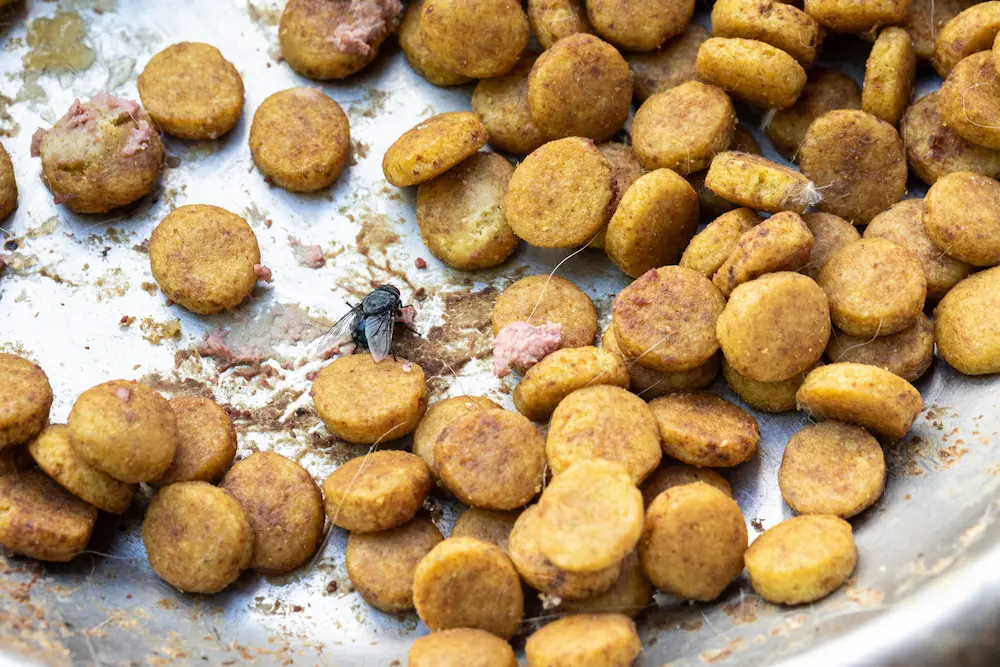
Early detection can help prevent a small pest problem from becoming a widespread infestation. The warning signs vary depending on the pest involved.
Common indicators include:
- Insects crawling inside food containers
- Webbing or larvae in dry pet food
- Small holes in food bags
- Rodent droppings near storage areas
- Ant trails leading to feeding stations
If you notice any of these signs, it is important to inspect stored food and nearby areas immediately.
How to Keep Bugs Out of Pet Food
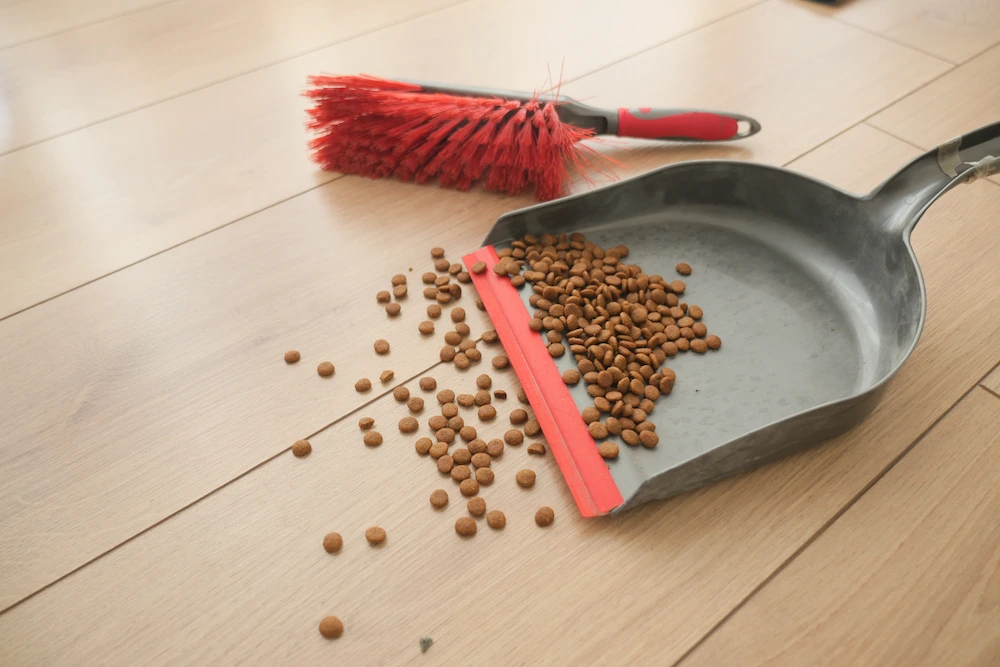
One of the most effective ways to prevent infestations is learning how to keep bugs out of pet food through proper storage and sanitation.
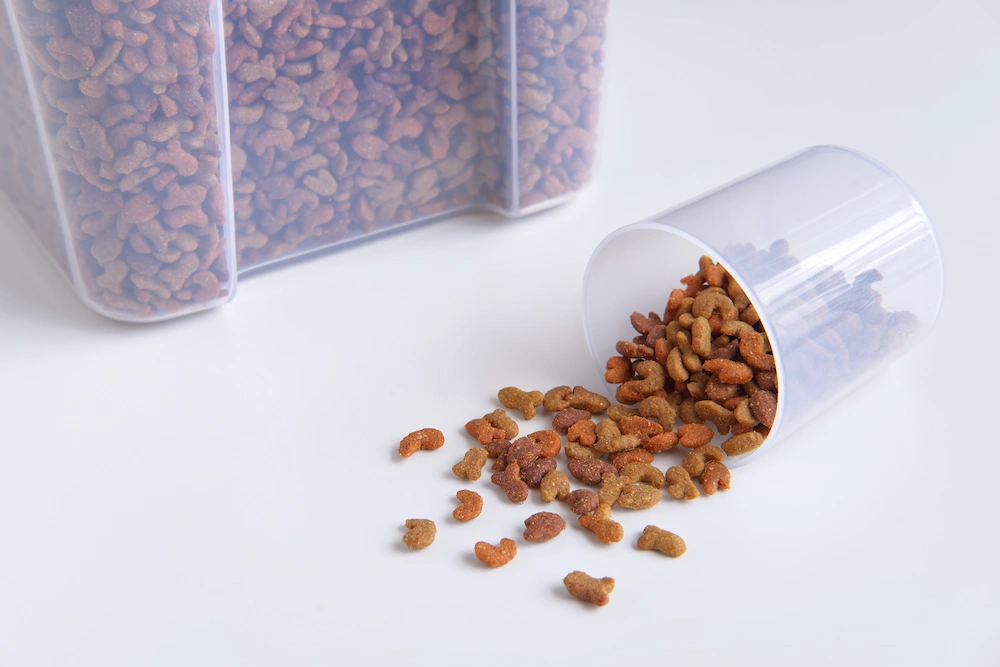
Leaving food in thin paper or plastic packaging makes it easier for pests to gain access. Instead, transfer pet food into durable airtight containers designed to block insects and rodents.
Cleaning feeding areas regularly also helps. Even small amounts of spilled food can attract pests and encourage repeat visits.
How to Store Pet Food to Avoid Pests
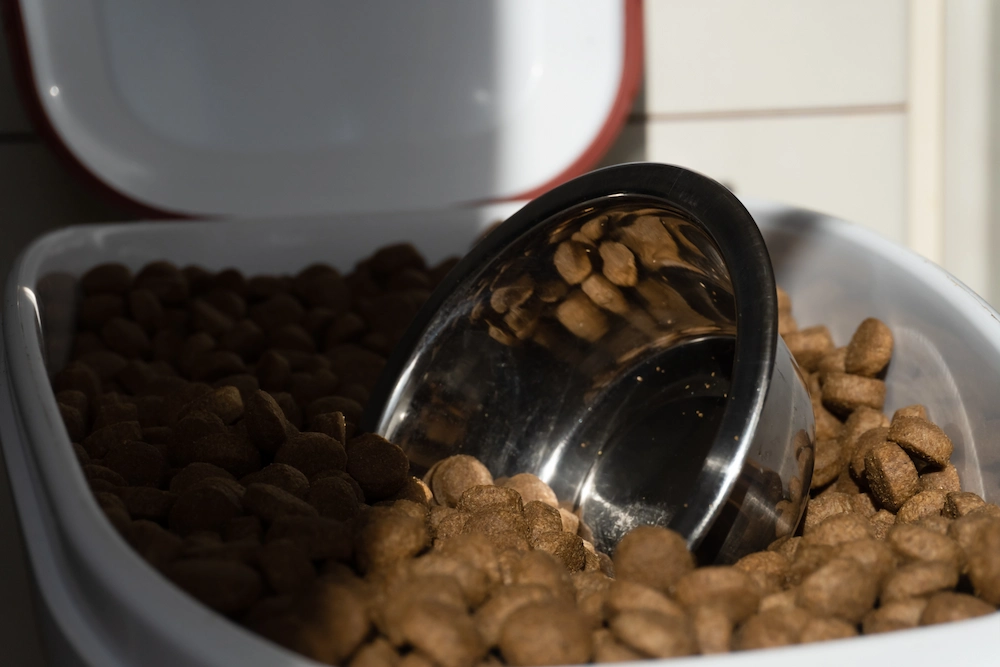
Proper storage plays a major role in preventing pest problems. Knowing how to store pet food to avoid pests can significantly reduce the risk of contamination.
Store pet food in a cool, dry location away from moisture and direct sunlight. Use sealed containers with tight fitting lids and avoid leaving bags open after use.
If possible, keep storage areas organized and free of clutter. Pests often hide behind stacked boxes, bags, and other items where they can remain unnoticed.
Pet Food Pest Prevention Tips for Homeowners
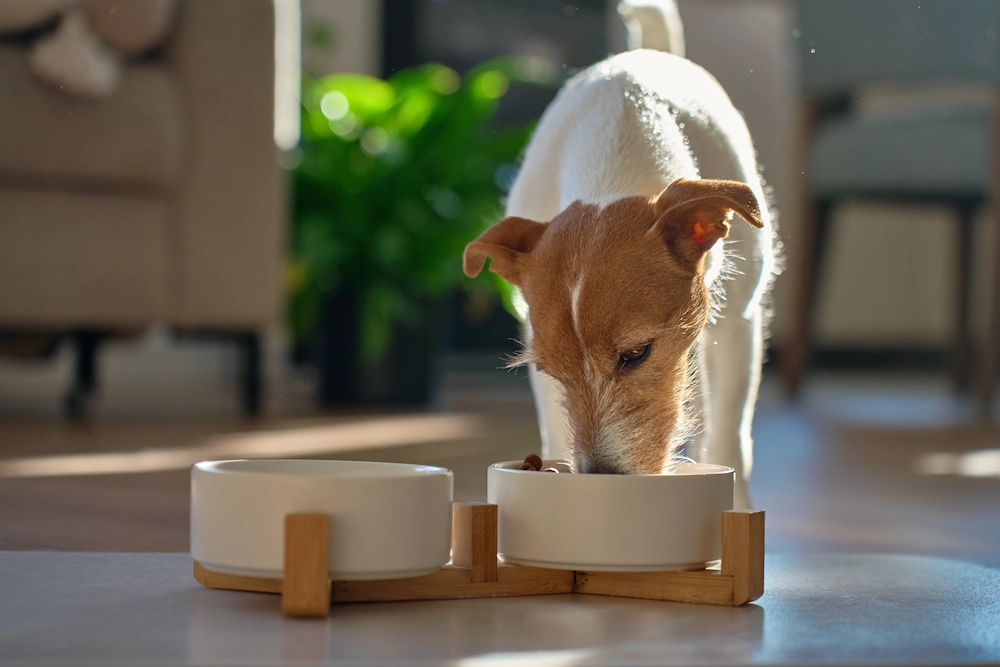
Simple maintenance habits can go a long way toward keeping pests away from pet food.
Here are a few practical pet food pest prevention tips:
- Store food in airtight containers
- Clean food bowls daily
- Sweep up spilled kibble promptly
- Avoid leaving food out overnight
- Inspect newly purchased pet food for signs of infestation
These habits reduce food availability and make your home less attractive to pests.
Why Outdoor Pet Feeding Can Attract More Pests
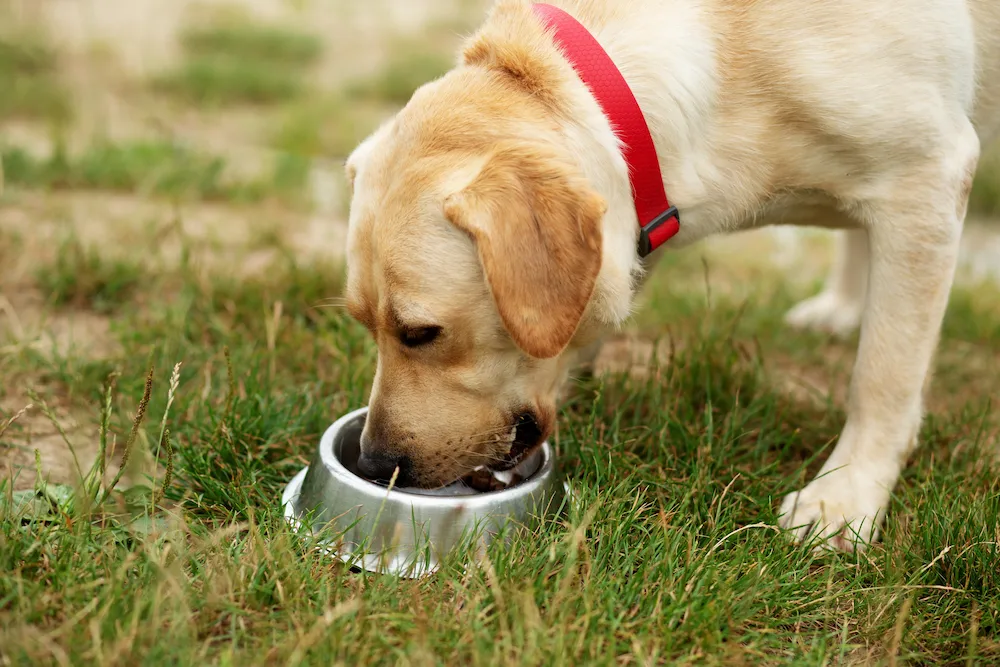
Outdoor feeding stations often create additional challenges. Pet food left outside may attract ants, flies, rodents, raccoons, and other wildlife in addition to insects.
If outdoor feeding is necessary, remove uneaten food promptly and clean the area regularly. Limiting how long food remains available helps reduce pest activity around the property.
Monitoring outdoor feeding areas is especially important during warmer months when insect populations are most active.
Protect Your Pets and Your Home
Pet food is an easy target for many household pests, but a few preventive measures can greatly reduce the risk of infestations. By understanding pests attracted to pet food, storing food properly, and maintaining clean feeding areas, homeowners can protect both their pets and their living spaces.
A proactive approach helps prevent contamination, reduces pest activity, and keeps pet food fresh and safe for the animals that depend on it. Contact us for a free quote on our dependable services today!
Citations
Kraft, S. & Pinto, L. (2025, October 2). The pet food/pest connection. Pest Control Technology. Available at https://www.pctonline.com/news/the-pet-food-pest-connection/ (Accessed on June 11, 2026).