
Summary: Your yard impacts pest activity by providing them with food, moisture, shelter, and pathways toward your home. This guide explains how landscaping, overgrowth, standing water, outdoor food sources, and clutter affect pest activity, plus practical ways homeowners can reduce pest-friendly conditions.
A beautiful yard can make your home more enjoyable, but it can also make your property attractive to pests. Overgrown shrubs, standing water, fallen leaves, firewood, and even bird feeders can provide insects and rodents with exactly what they need to stick around.
The connection between landscaping and yard pest activity is especially important in the Pacific Northwest, where seasonal rain and abundant vegetation can create plenty of pest-friendly environments. The good news is that you do not need a perfectly manicured lawn to discourage pests. A few practical changes can reduce food, water, shelter, and easy routes toward your house.
Why Your Yard Impacts Pest Activity
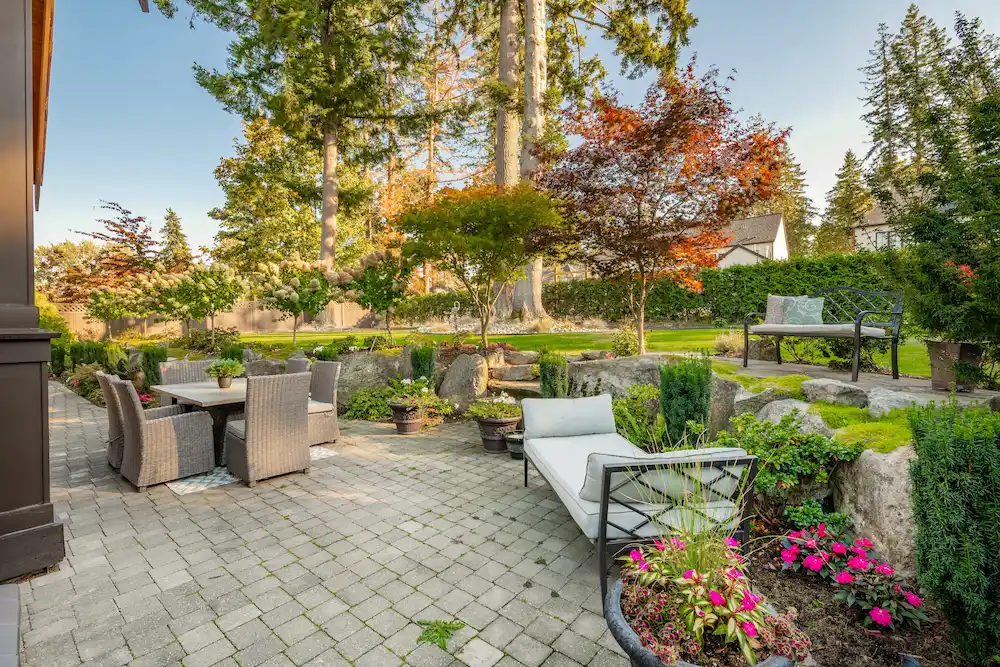
Most pests are not wandering through your yard without a purpose. Like other living things, they are searching for basic resources such as food, water, shelter, and places to reproduce. A yard can provide all of these resources in a relatively small area.
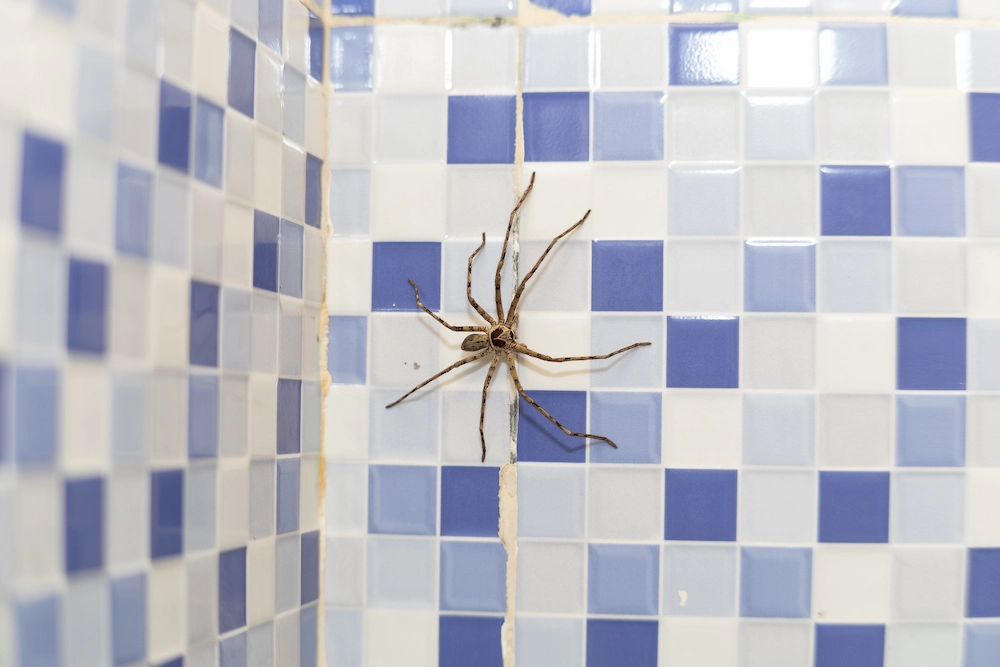
Ants may find food around patios and outdoor eating areas. Rodents can take advantage of fallen fruit, birdseed, garbage, and pet food. Mosquitoes use standing water for reproduction, while spiders tend to stay near areas with plenty of insect prey. This is why one attractive condition can sometimes support several pests at once.
When thinking about what attracts pests to your yard, it helps to look beyond the pest you are currently seeing. A spider problem, for example, may actually indicate that your yard supports a healthy population of insects for spiders to eat. Frequent ants near the foundation may be connected to nearby moisture, vegetation, or outdoor food sources.
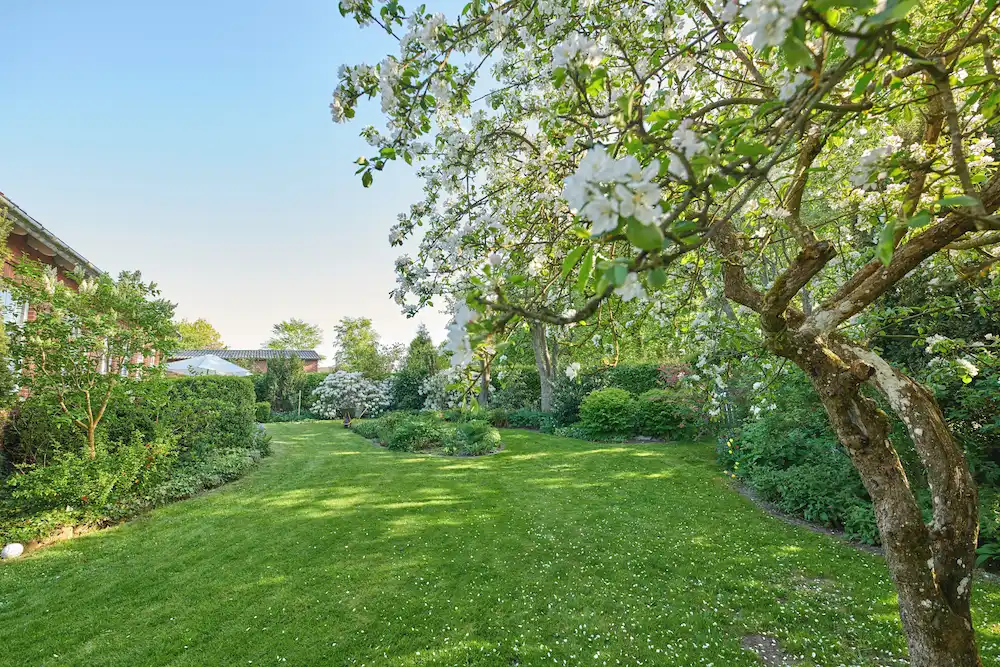
Your yard does not need to be dirty or neglected to attract pests. Even well-maintained landscaping can provide hiding places and food. The goal of pest-conscious landscaping is not to eliminate nature from your property. It is to reduce the conditions that encourage nuisance pests to settle right next to your home.
Overgrowth and Clutter Create Pest Hiding Spots
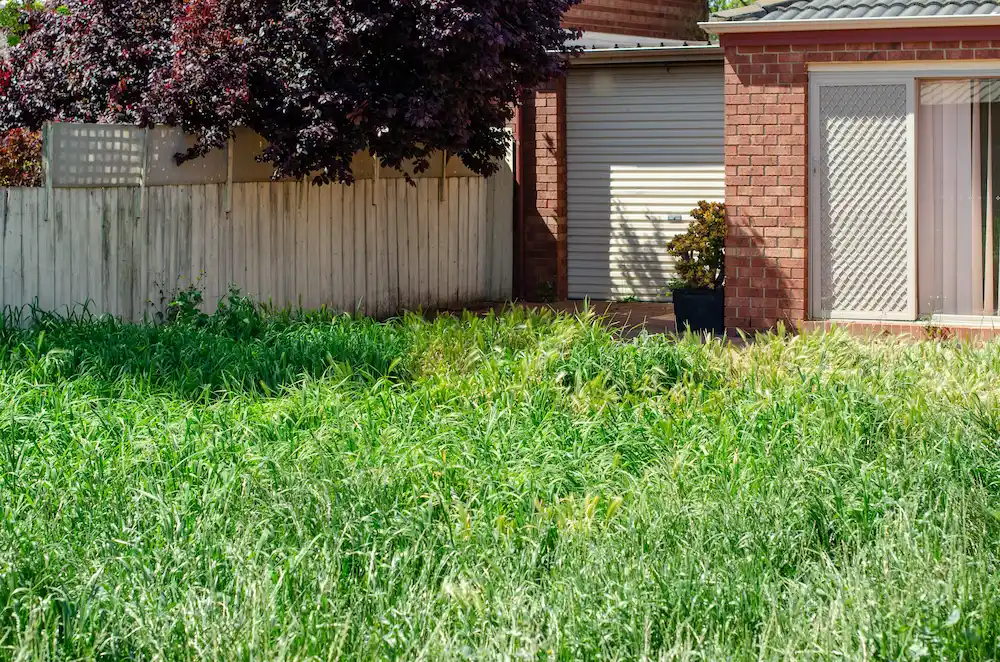
Dense vegetation provides something pests value almost as much as food: protection. Tall grass, thick shrubs, weeds, ground cover, and piles of leaves can shield pests from predators, direct sunlight, and changing weather.
The Pointe Pest Control summer prevention guide specifically recommends keeping yards trimmed because ticks, rodents, and spiders can hide in unruly vegetation. It also recommends removing leaf litter and natural debris and keeping plants and tree branches away from the house. When vegetation touches the structure, it can essentially become a pest highway.
These overgrown yard pest problems become even more important near the foundation. Thick shrubs can conceal pest activity while keeping the soil underneath shaded and damp. Tree branches touching the roof can also provide rodents and crawling pests with another possible route toward the structure.
Outdoor clutter creates similar problems. Unused planters, stacked lumber, yard equipment, cardboard, and other objects that remain undisturbed can provide dark hiding places. Firewood can be particularly attractive because gaps between logs create shelter for spiders, ants, beetles, and other pests.
Keeping the yard tidy does not mean removing every bush or decorative feature. Regularly prune plants, pull weeds, rake excessive leaf litter, and organize outdoor storage. Most importantly, create some separation between dense landscaping and the exterior of your home so pests have fewer protected routes toward potential entry points.
Moisture Can Turn Your Yard Into a Pest Hotspot
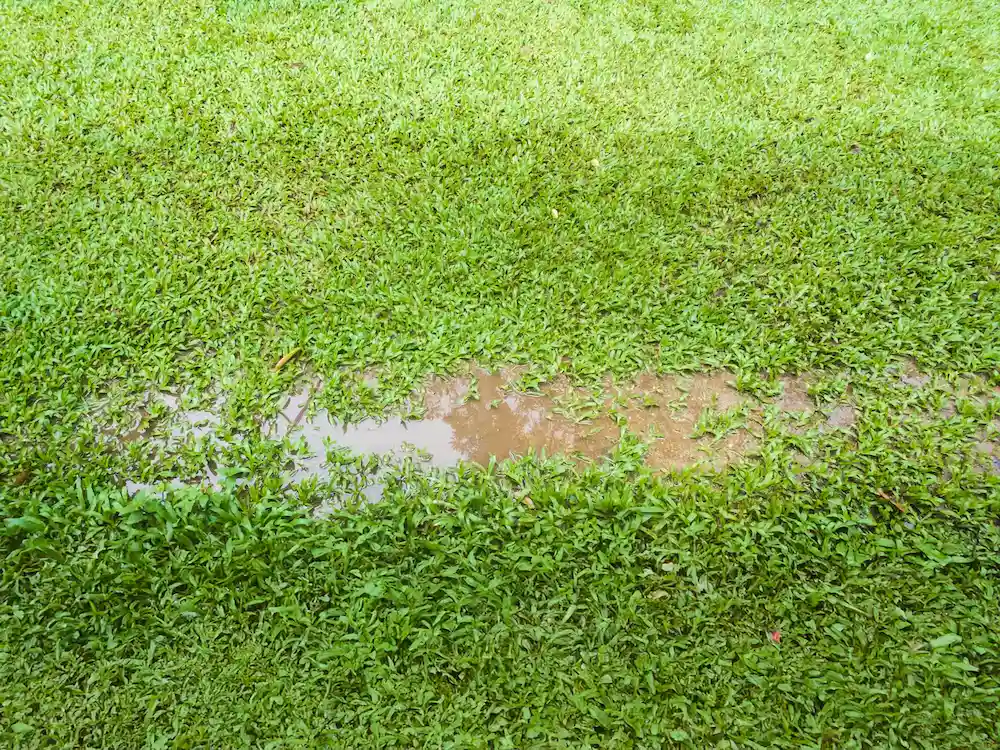
Water is one of the biggest pest attractants around any property, and it deserves extra attention in the Pacific Northwest. Rainfall, irrigation, leaking fixtures, and poor drainage can create damp areas that remain attractive to pests long after the water initially appears.
There is a simple reason moisture attracts pests outdoors. Many pests require humid environments or dependable water sources to survive. Mosquitoes are particularly dependent on stagnant water because their immature stages develop in water. Pointe’s pest prevention guidance recommends eliminating excess water, clearing clogged gutters and ensuring downspouts move water away from the foundation.
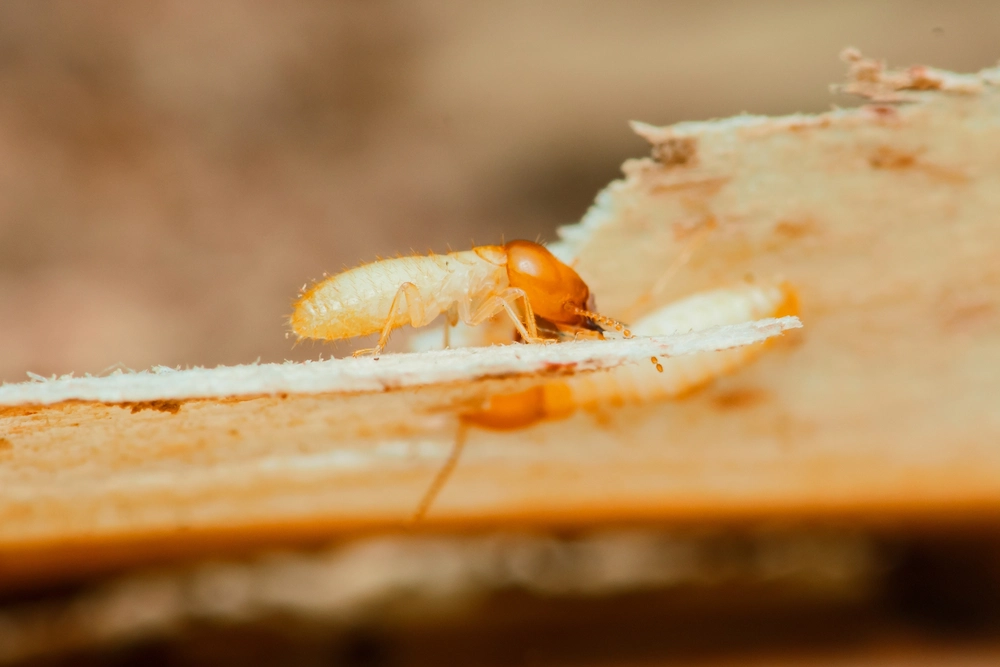
Ants and other insects can also benefit from consistently damp landscaping. Moisture can contribute to decaying wood around decks, fences, landscaping timbers, and structural areas. Carpenter ants are especially worth watching because they excavate wood to create nesting galleries and are commonly associated with moisture-damaged wood.
After a rainy stretch, take a quick walk around the property. Pay attention to low areas of the lawn, clogged gutters, flowerpot saucers, buckets, children’s toys, tarps, and other places that can hold water. Check outdoor faucets and irrigation equipment for leaks as well.
Drainage near the foundation deserves particular attention. Gutters and downspouts should move rainwater away from the house rather than allowing it to collect beside the structure. Correcting persistent moisture issues can make the area less hospitable to pests while also helping protect your home from water-related problems.
Food Sources Can Keep Pests Coming Back
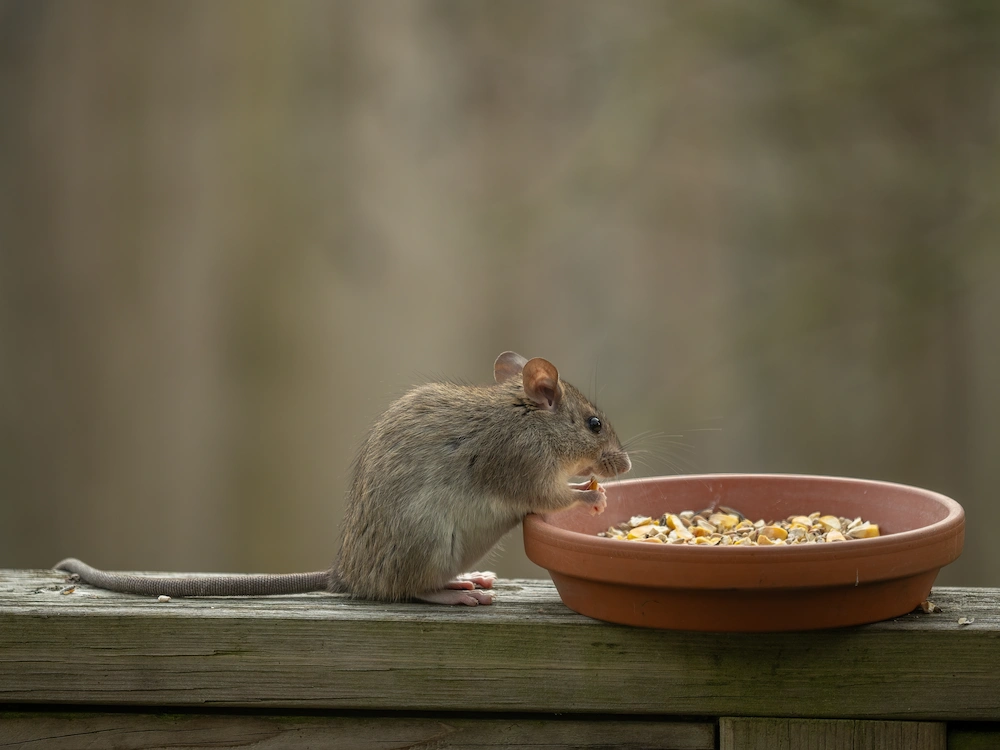
Sometimes the biggest pest attractant in the yard has nothing to do with the plants themselves. Outdoor food sources can give insects and rodents a reliable reason to return night after night.
Fallen fruit beneath trees, birdseed scattered under feeders, pet food, overflowing garbage, compost, and leftovers from outdoor meals can all become pest meals. Pointe’s summer pest guidance notes that pests are highly food motivated and recommends keeping outdoor trash cans closed and, when possible, storing them away from the house.
Rodents are particularly good at taking advantage of easily accessible food. A bird feeder may be intended for birds, but seeds scattered underneath can also provide food for mice and rats. Similarly, a pet bowl left outside overnight can become an easy meal for animals that become active after dark.
The same principle applies to insects. Ants and stinging insects may investigate outdoor dining spaces where sugary drinks, meat, fruit, and other foods are available. Cleaning tables, grills, and patios after meals removes some of the easiest rewards.
This does not mean you have to stop feeding birds or eating outside. Simply pay attention to what is left behind. Clean spills promptly, pick up fallen fruit, secure garbage lids, and avoid leaving pet food outdoors longer than necessary.
How to Reduce Pest Activity in Your Yard
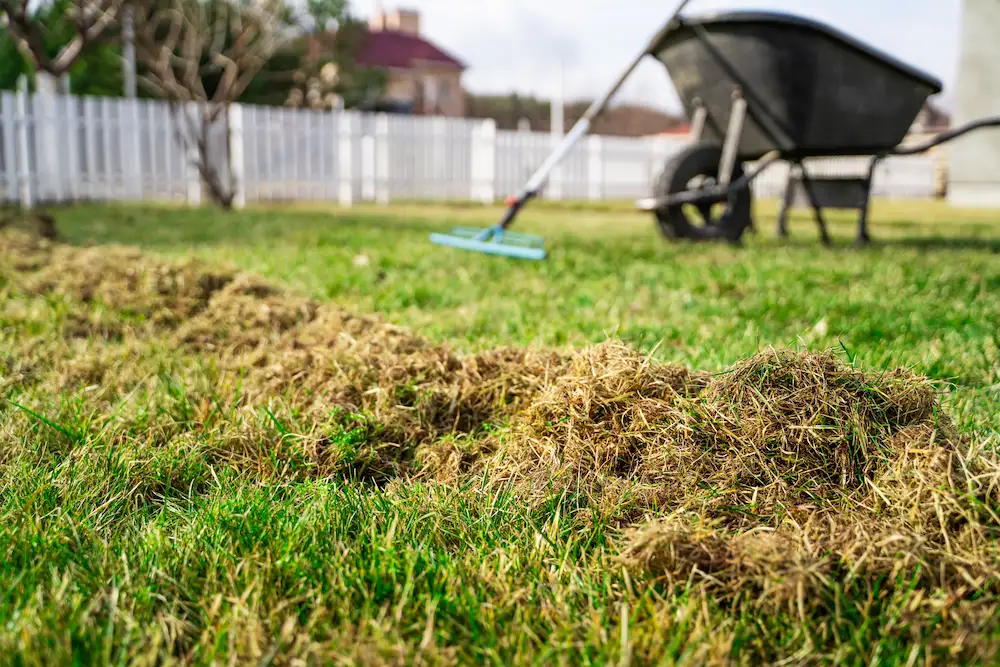
If your property seems unusually popular with pests, you usually do not need to redesign the entire landscape. Focus first on removing the easiest sources of food, moisture, shelter, and access.
Consistent maintenance is one of the most useful landscaping pest prevention tips because it prevents pest-friendly conditions from accumulating over time. Start with these practical steps:
- Trim bushes, shrubs, and branches away from the house.
- Keep grass maintained and remove excessive weeds.
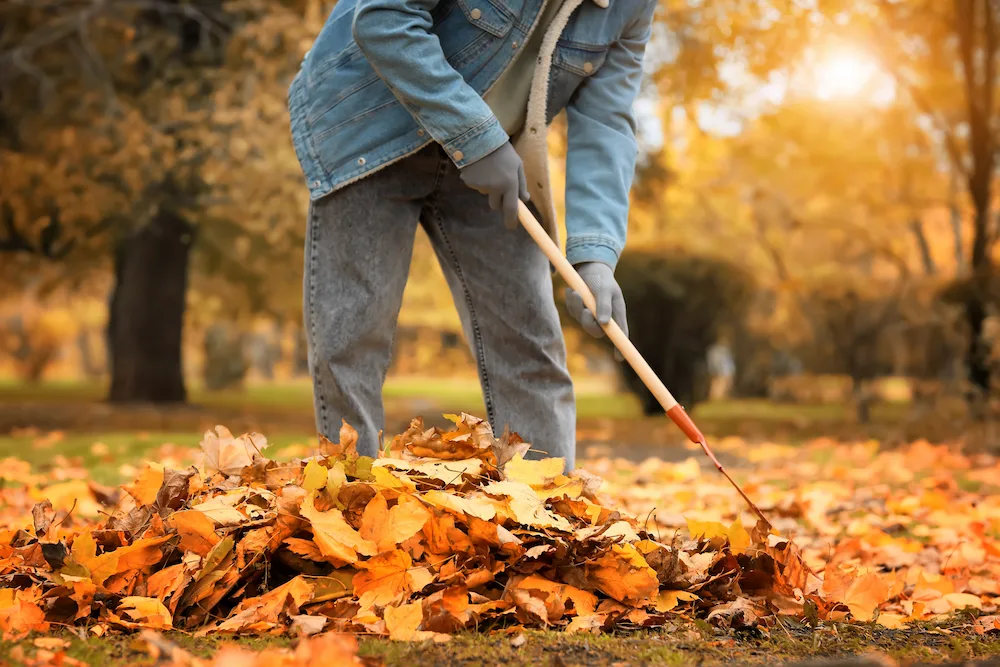
- Rake leaf litter and remove unnecessary yard debris.
- Empty containers that collect standing water.
- Clean gutters and make sure downspouts drain properly.
- Store firewood and other materials away from exterior walls.
- Pick up fallen fruit and spilled birdseed.
- Keep outdoor trash cans tightly closed.
You do not have to complete everything at once. Seasonal checks can make these tasks much easier. Spring is a good time to look for new growth touching the home, while summer is ideal for watching water sources and insect activity. Fall cleanup can reduce leaves and debris before pests begin searching for protected winter shelter.
Learning how to reduce pests in your yard also means knowing when outdoor activity is becoming something more. An occasional ant, spider, or wasp is part of spending time outside. Repeated trails, numerous nests, rodent droppings, frequent pest sightings near the foundation, or pests regularly moving indoors deserve closer attention.
Keep Yard Pests From Becoming Indoor Pests
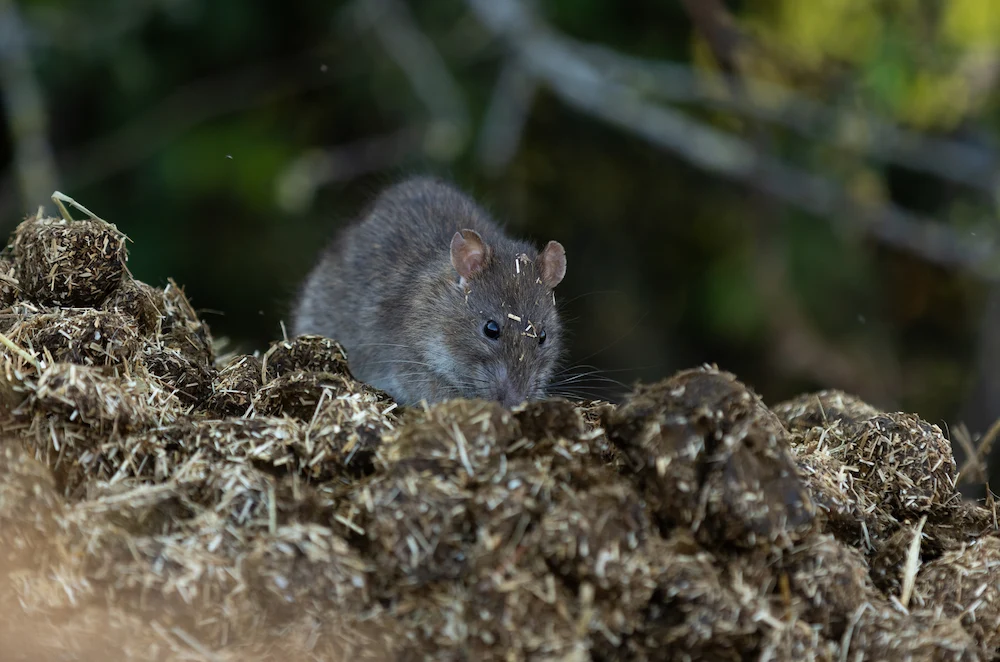
Your yard is essentially the buffer between outdoor pest populations and your living space. The more food, moisture, shelter, and easy access pests find immediately beside the house, the easier it becomes for them to explore the structure next.
That is why yard maintenance works best alongside basic home exclusion. Inspect door sweeps, window screens, utility penetrations, vents, siding, and foundation areas for openings. Pointe’s summer prevention recommendations describe sealing entry points as one of the most important steps for keeping pests outside.
If pest activity remains high after you have addressed obvious yard attractants, there may be nests, entry points, or environmental conditions that are difficult to locate yourself. Pointe Pest Control’s residential pest control programs include treatment for ants, spiders, wasps, and other local pests in and around the home. Visit Pointe’s residential pest control services to learn more about preventative options for your property.
Your landscaping should be a place you enjoy, not a pest resort. Keeping vegetation trimmed, controlling excess moisture, reducing outdoor food sources, and removing hiding spots can make a noticeable difference in yard pest activity. When prevention is paired with professional pest management when needed, you can make both your yard and your home much less inviting to unwanted guests.
Take back your yard and contact us for a free quote on our reliable services today!
Citations
Speer, F. (2018, May 30). The impact of landscape on pest pressure – March 2018. Clark Pest Control. Available at https://www.clarkpest.com/commercial-service-blog/the-impact-of-landscape-on-pest-pressure—march-2018 (Accessed on August 10, 2026).