
Summary: Explains how ants enter homes, the most common entry points, what attracts them indoors, and practical prevention tips to help homeowners avoid infestations.
It only takes a few ants to become a much bigger problem. You may notice a single scout ant one day, only to find an entire trail crossing your kitchen floor the next. If you have ever wondered, how do ants get inside my house, the answer is usually simpler than you might think.
Ants can squeeze through incredibly small openings while searching for food, water, and shelter. Once they find a reliable source, they leave behind scent trails that guide the rest of the colony to the same location. Understanding how ants enter your home is the first step toward keeping them outside.
Why Ants Come Indoors
Ants are constantly searching for resources that help their colonies survive. Food crumbs, sugary spills, pet food, and moisture all make homes attractive places to explore.
Weather can also influence ant activity. Heavy rain may flood underground nests, while hot, dry weather can drive ants indoors in search of water. During these periods, colonies expand their search area and become more likely to enter nearby homes.
This explains how ants get into homes throughout the year, even when your house appears clean and well maintained.
Common Ant Entry Points Around Your Home
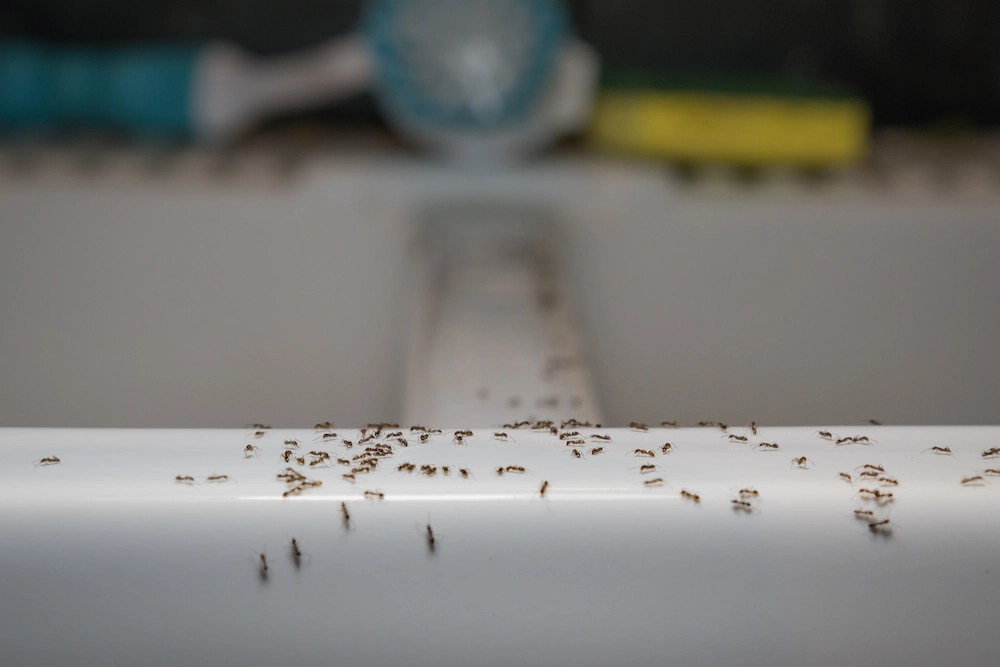
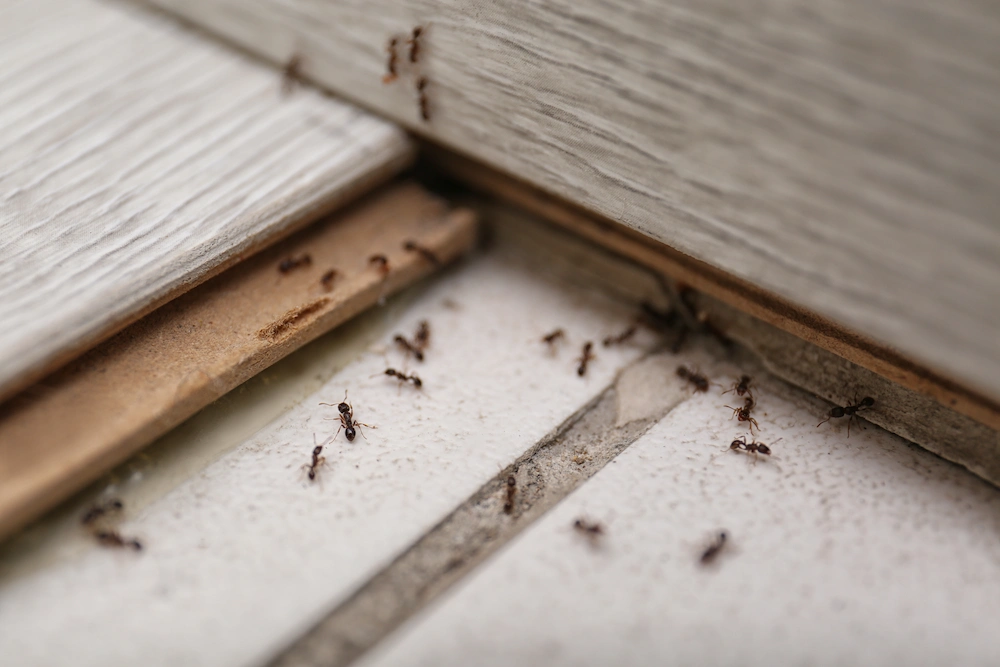
Ants do not need large openings to get inside. Tiny cracks and gaps are often enough for worker ants to enter and establish trails.
Some of the most common ant entry points include:
- Gaps under exterior doors
- Cracks in the foundation
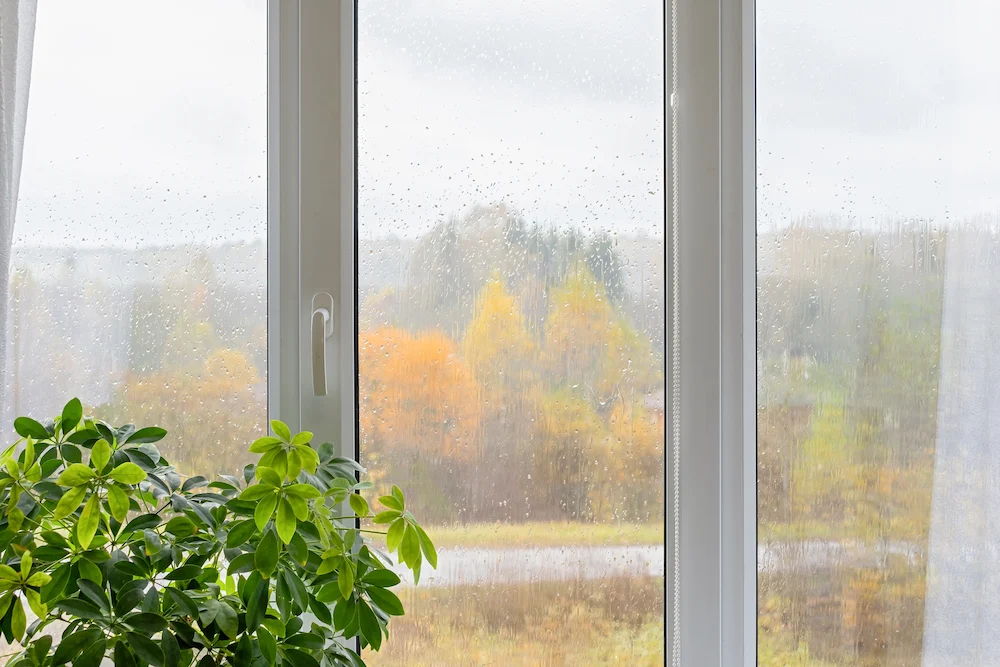
- Spaces around windows and window frames
- Utility and plumbing penetrations
- Damaged weatherstripping
- Openings around vents and cable lines
Once scout ants discover these access points, they can quickly recruit hundreds of additional workers from the colony.
Where Do Ants Come From Indoors?
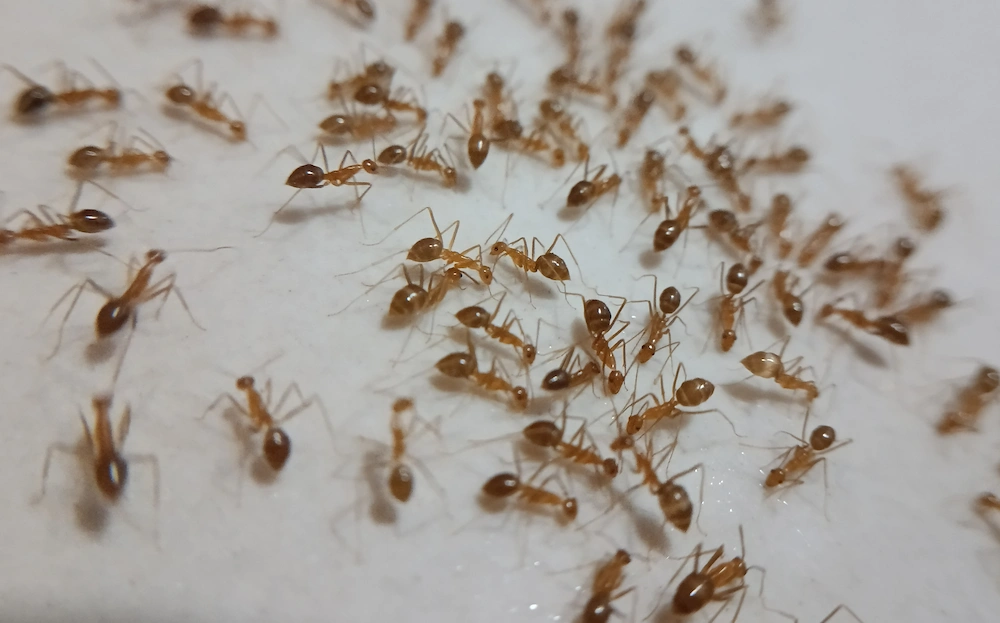
Many homeowners ask, where do ants come from indoors, especially when they seem to appear without warning.
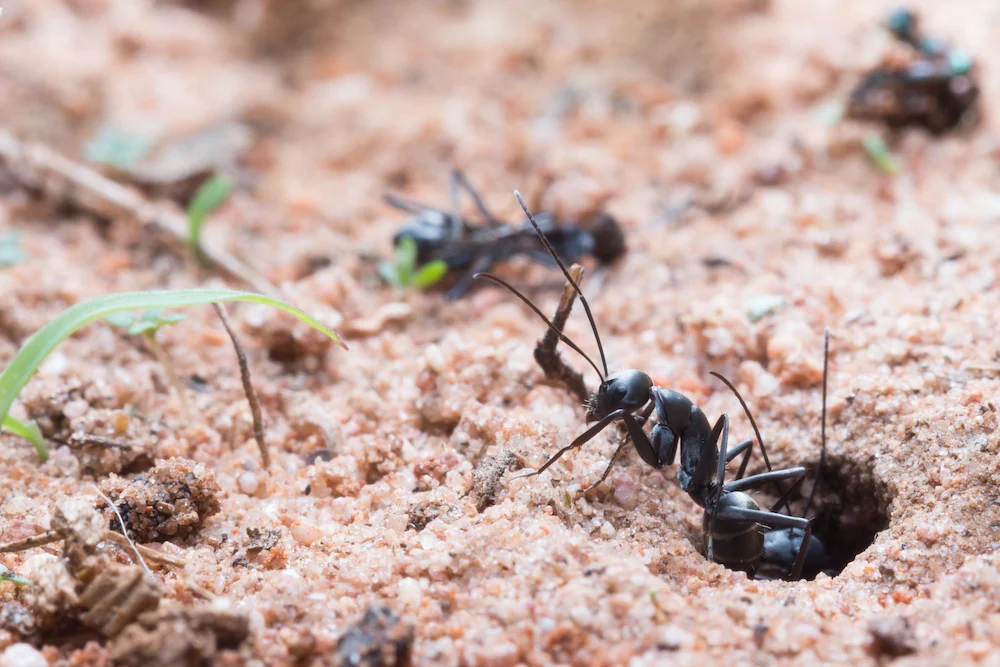
In most cases, the ants are traveling from outdoor nests located near the home. Colonies may be found beneath landscaping stones, mulch, tree stumps, sidewalks, or garden beds. Worker ants travel considerable distances in search of food and can easily make their way inside through small openings.
Some species, such as carpenter ants, may also establish satellite nests within wall voids or damp wood if conditions are favorable. This can make infestations more persistent and difficult to eliminate.
Why Kitchens and Bathrooms Attract Ants
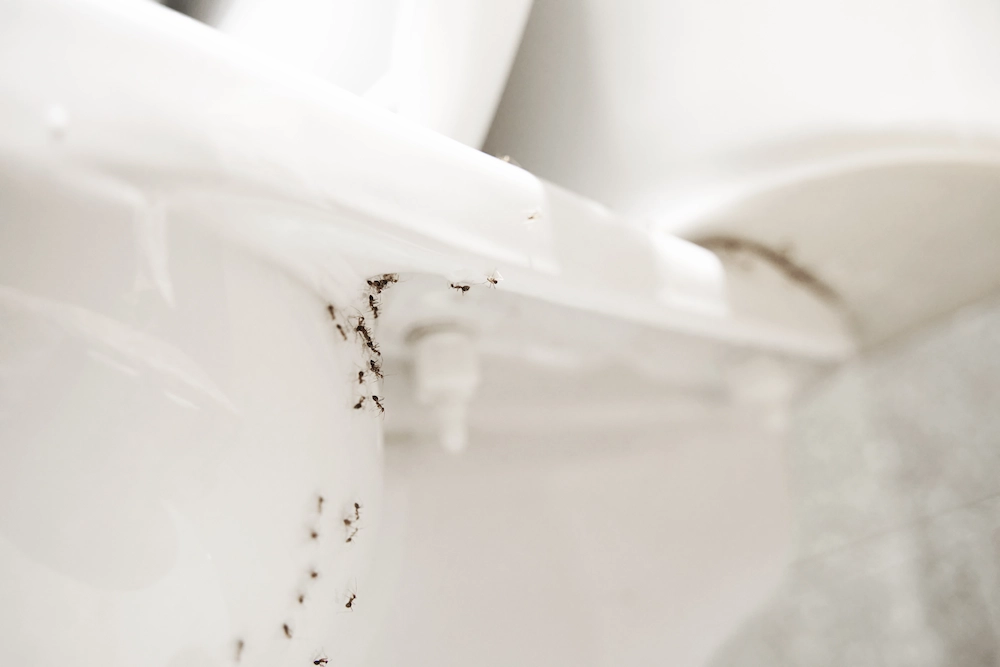
Certain rooms naturally provide the resources ants need most. Kitchens offer easy access to food, while bathrooms often provide reliable moisture.
Countertops with crumbs, sticky spills, pet food bowls, leaking pipes, and damp cabinets can all encourage ants to remain indoors. Even small amounts of water around sinks or dishwashers may be enough to support an active trail.
Once ants identify a dependable food or water source, they continue returning until the trail is disrupted or the colony is eliminated.
How to Prevent Ants From Entering Your Home

The best defense is making your home less inviting to foraging ants. If you want to know how to prevent ants from entering your home, focus on eliminating both access points and attractants.
A few simple prevention measures include:
- Seal cracks around doors, windows, and foundations
- Replace damaged weatherstripping
- Repair leaking faucets and plumbing
- Store food in airtight containers
- Clean countertops and floors regularly
- Empty trash frequently and keep lids closed
These habits reduce the likelihood that scout ants will find reasons to stay inside.
How to Ant Proof Your House

If ant problems are recurring, it may be time to ant proof your house by paying attention to the exterior as well as the interior.
Trim shrubs and tree branches away from the home to reduce natural bridges. Keep mulch several inches away from the foundation and avoid stacking firewood directly against exterior walls.
Regularly inspect your home’s exterior for new cracks or gaps, especially after seasonal weather changes. Small repairs made early can prevent larger infestations later.
When Recurring Ants Indicate a Bigger Problem
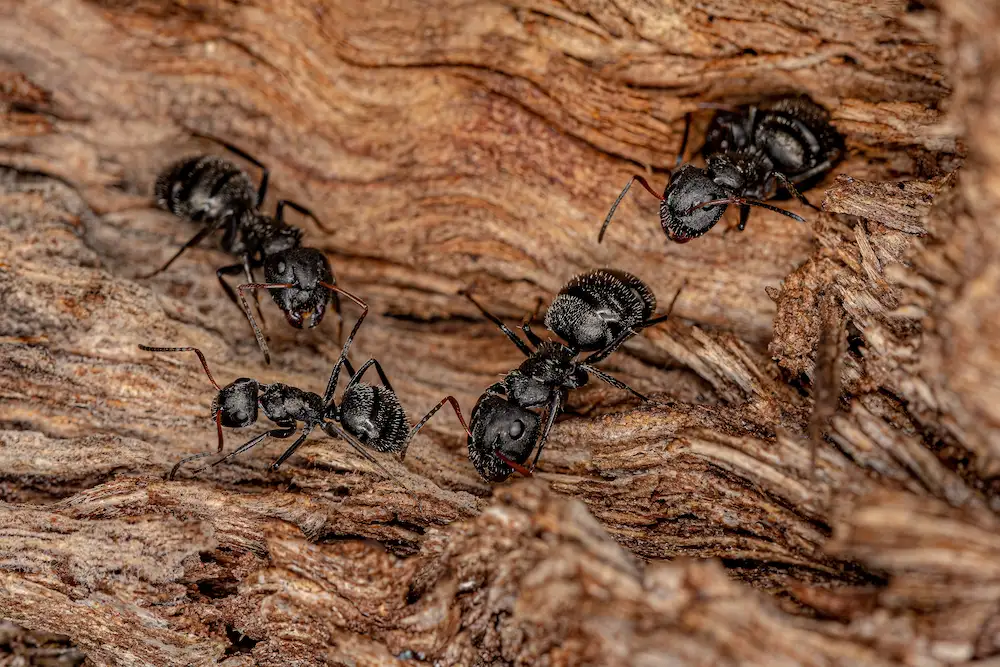
Seeing an occasional ant is normal, particularly during seasonal weather changes. However, repeated indoor trails often suggest a nearby colony or hidden nesting site.
Carpenter ants deserve special attention because they tunnel through damp wood to create nests. If you consistently see large black ants indoors, especially near moisture damaged areas, a professional inspection is recommended.
Persistent infestations usually require more than surface treatments. Identifying the species and locating the colony helps provide long term control.
Stop Ants Before They Become Established
Learning how do ants get inside my house is the first step toward preventing infestations. By sealing common entry points, removing food and moisture sources, and maintaining your home’s exterior, you can significantly reduce the chances of ants moving indoors.
When prevention alone is not enough, professional pest control can identify hidden colonies and create a targeted treatment plan that keeps ants from returning. Contact us for a free quote on our efficient ant control services today!
Citations
How do ants get inside the house?. (n.d.). Terro. Retrieved July 8, 2026, from https://www.terro.com/articles/how-do-ants-get-inside-the-house?srsltid=AfmBOorPYkVPphc-Lg-RbnZXGZpMSBJ512YWb98BGFO3gXW4hyoBmfWr