
Summary: Explains how to prevent bloodsucking insects by eliminating breeding sites, maintaining landscaping, and following practical outdoor pest prevention strategies.
Few things can ruin time outdoors faster than biting insects. Mosquitoes, ticks, fleas, and biting flies are more than just a nuisance. They can leave itchy bites, trigger allergic reactions, and in some cases, spread diseases to people and pets. Knowing how to prevent bloodsucking insects can make your yard safer and more enjoyable throughout the warmer months.
The good news is that many of these pests are attracted to the same conditions. By making a few changes around your property, you can reduce the places where they breed, hide, and feed.
Why Bloodsucking Insects are Attracted to Your Yard
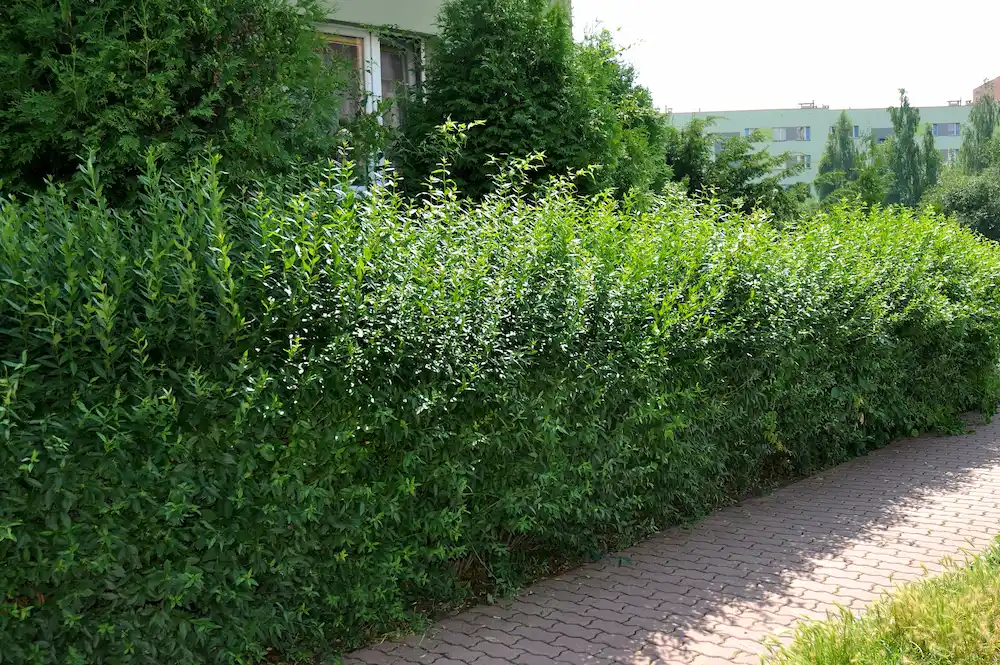
Blood-feeding insects need more than people and pets to survive. They also rely on water, shade, and vegetation during different stages of their life cycles.
Many bloodsucking insects around your home are attracted to properties with standing water, dense landscaping, and humid conditions. Overgrown shrubs, tall grass, and leaf litter provide shelter, while clogged gutters and containers filled with rainwater create ideal breeding sites for mosquitoes.
Regular yard maintenance can greatly reduce these conditions before pest populations have a chance to grow.
Common Bloodsucking Insects Homeowners Encounter
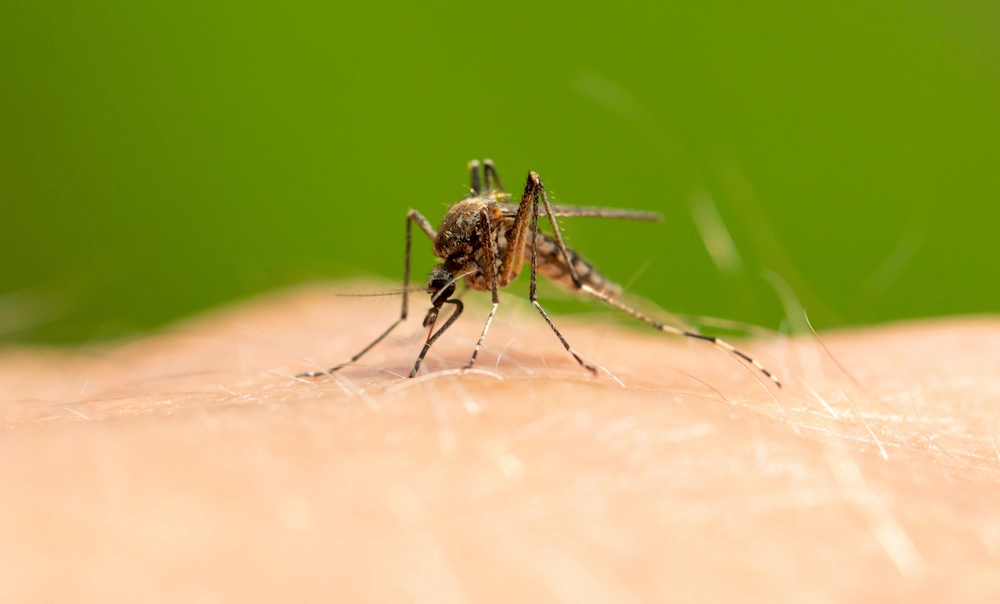
Different pests become active throughout the year, but several species are commonly found around homes during spring and summer.
Some of the most common biting pests include:
- Mosquitoes
- Ticks
- Fleas
- Biting midges
- Horse flies and deer flies
Each pest has different habits, but they all benefit from properties that provide moisture, shelter, and access to hosts.
Remove Standing Water to Prevent Mosquitoes
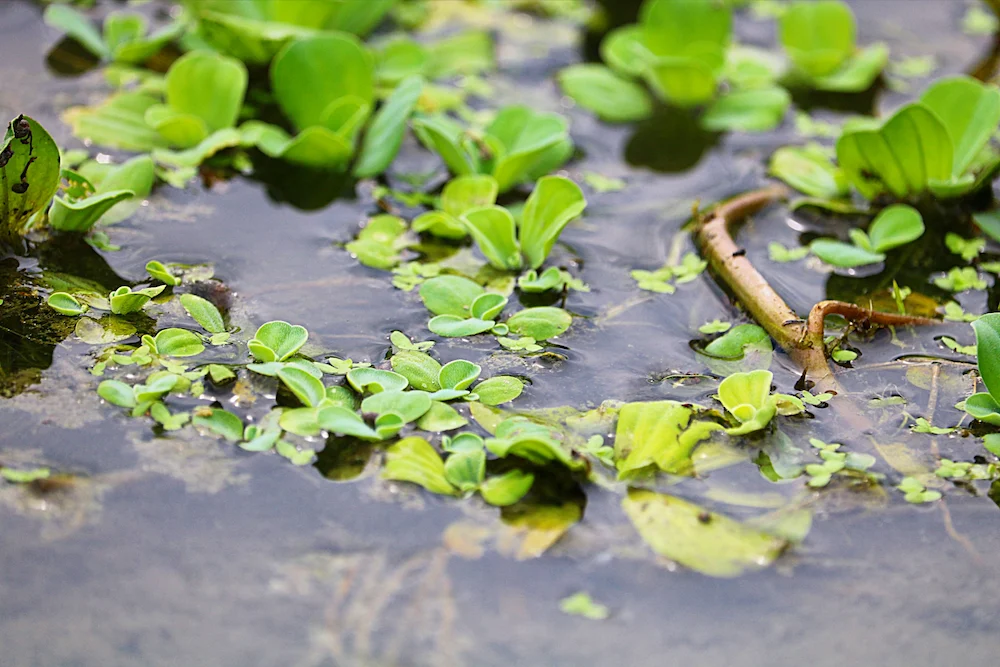
One of the most effective ways to remove standing water to prevent mosquitoes is to inspect your property after every rainfall. Female mosquitoes can lay eggs in surprisingly small amounts of water, and larvae can develop in just a few days.
Look for water collecting in flowerpots, buckets, children’s toys, birdbaths, clogged gutters, tarps, and old tires. Empty or refresh these containers regularly to eliminate mosquito breeding sites.
If you have decorative water features, keep the water circulating or properly maintained to discourage mosquito development.
Landscaping Tips to Reduce Insects
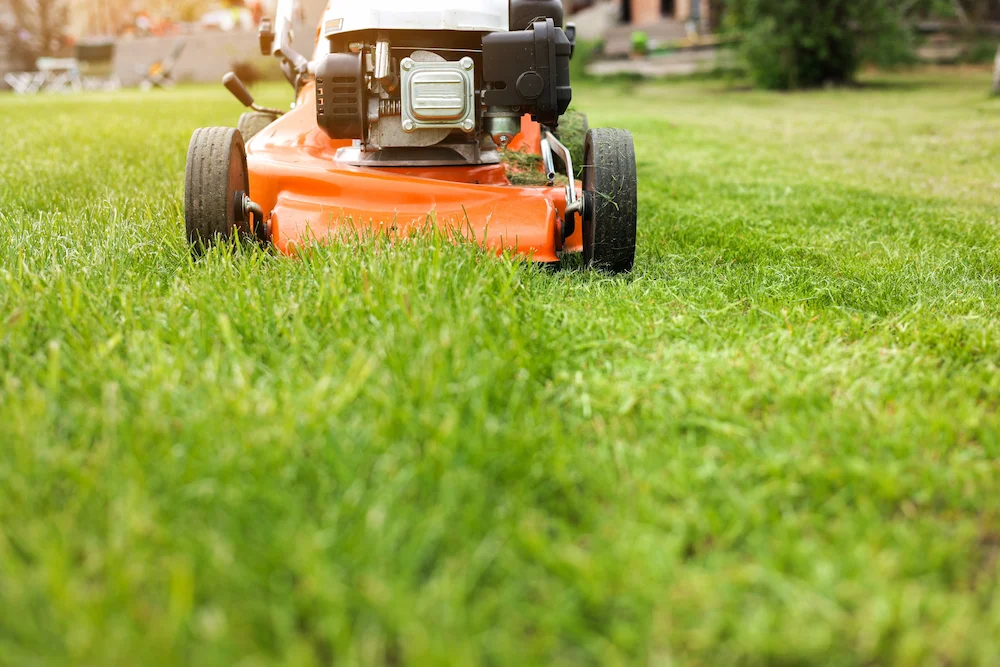
Your landscaping can either discourage or support insect activity. Following a few simple landscaping tips to reduce insects helps eliminate hiding places for many biting pests.
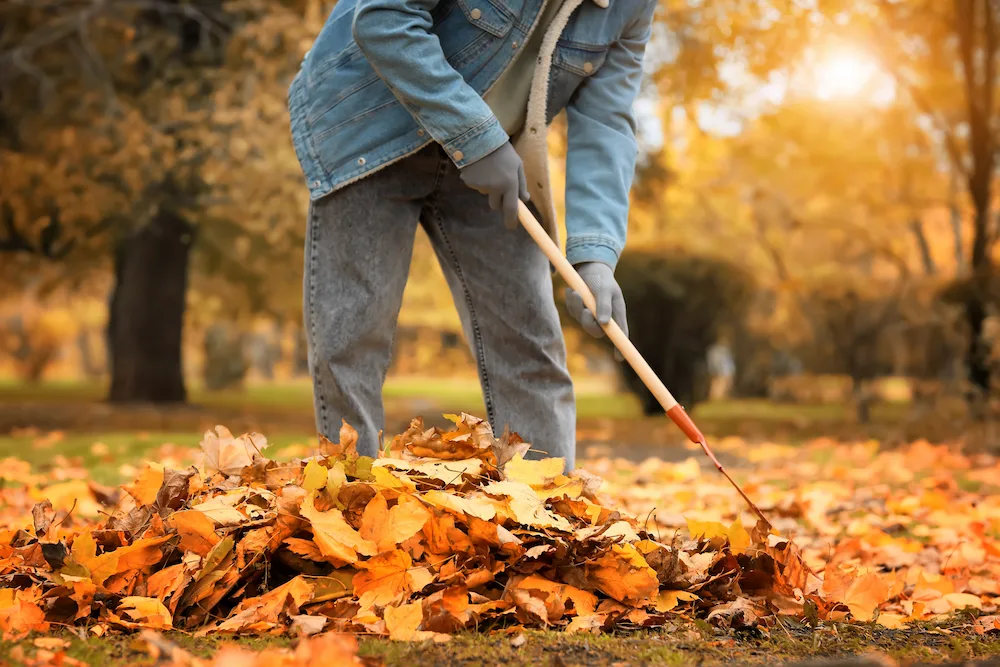
Keep grass mowed and trim shrubs regularly to improve airflow and reduce shaded resting areas. Remove leaf piles, brush, and excess yard debris where ticks and fleas often hide.
Create a gap between mulch and your home’s foundation, and prune tree branches that touch the roof or siding. These simple maintenance practices reduce both insect harborage and easy access to your home.
How to Keep Mosquitoes and Ticks Away
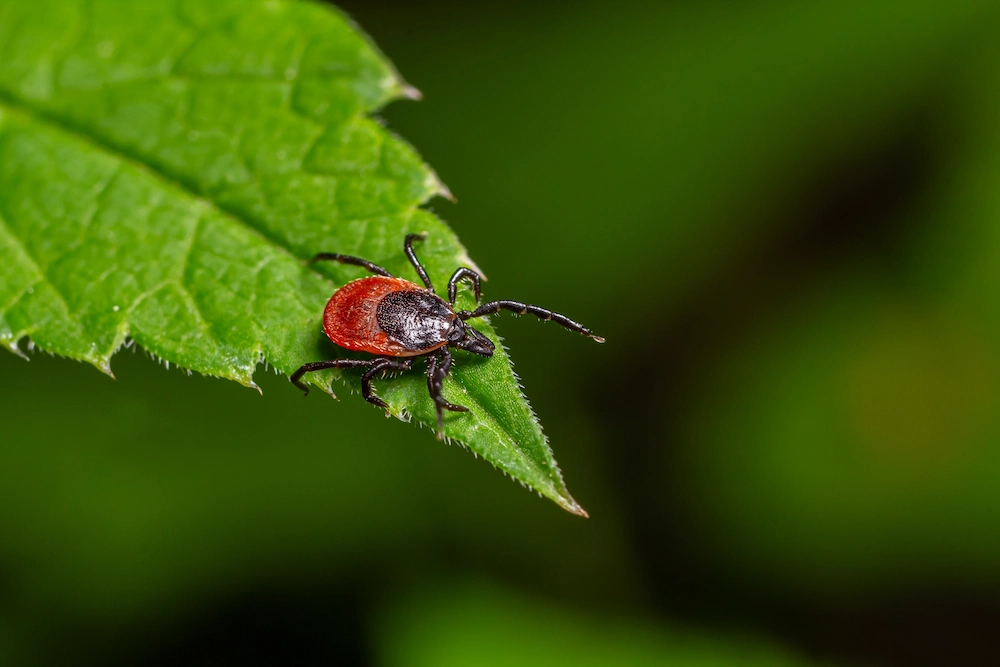
Learning how to keep mosquitoes and ticks away involves reducing both breeding sites and places where they wait for hosts.
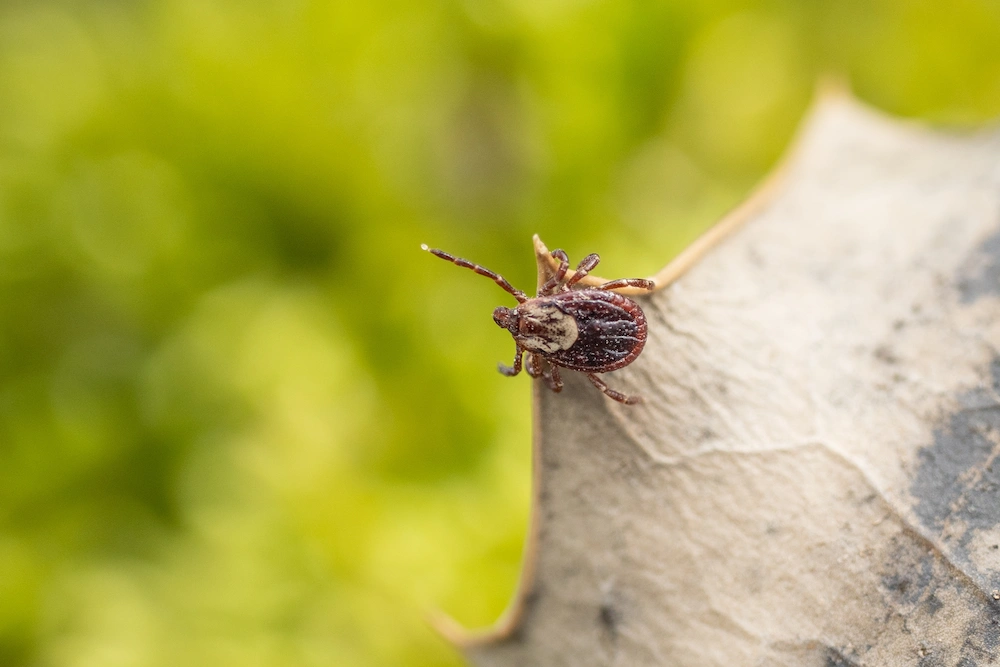
Ticks are commonly found in tall grass, wooded edges, and dense ground cover. Staying on maintained paths and keeping vegetation trimmed helps reduce encounters.
Mosquitoes are most active around dawn and dusk. Wearing long sleeves, using EPA-registered insect repellents, and installing well-maintained window and door screens can help minimize bites when spending time outdoors.
Outdoor Pest Prevention Tips for Your Property
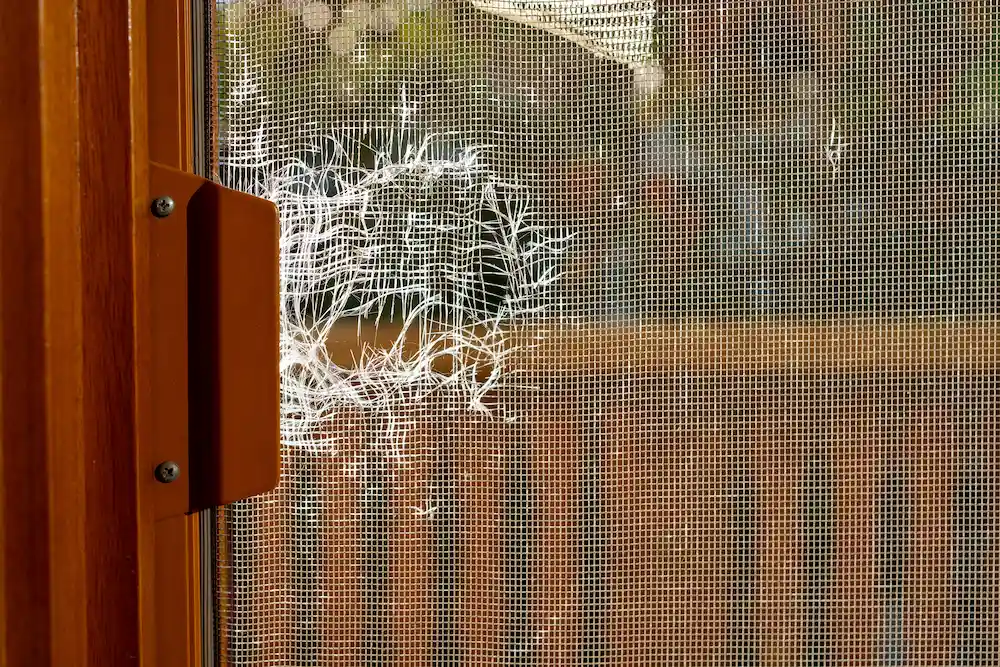
Long-term prevention works best when several strategies are combined. Consistent maintenance makes your yard less attractive to biting insects throughout the season.
Here are a few effective outdoor pest prevention tips:
- Mow the lawn regularly
- Trim overgrown shrubs and vegetation
- Remove standing water after rain
- Repair damaged window and door screens
- Clean gutters to improve drainage
- Keep outdoor seating areas clean and dry
These simple habits can significantly reduce insect activity while improving the overall health of your landscape.
Protecting Pets From Biting Insects

Pets are often exposed to blood-feeding insects while spending time outdoors. Fleas and ticks can easily hitch a ride into your home, while mosquitoes may bite both dogs and cats.
Keep pet resting areas clean, avoid allowing water to collect near kennels or play areas, and speak with your veterinarian about appropriate flea, tick, and mosquito prevention products for your pets.
Protecting animals also helps reduce pest problems inside the home.
When Professional Pest Control May Help
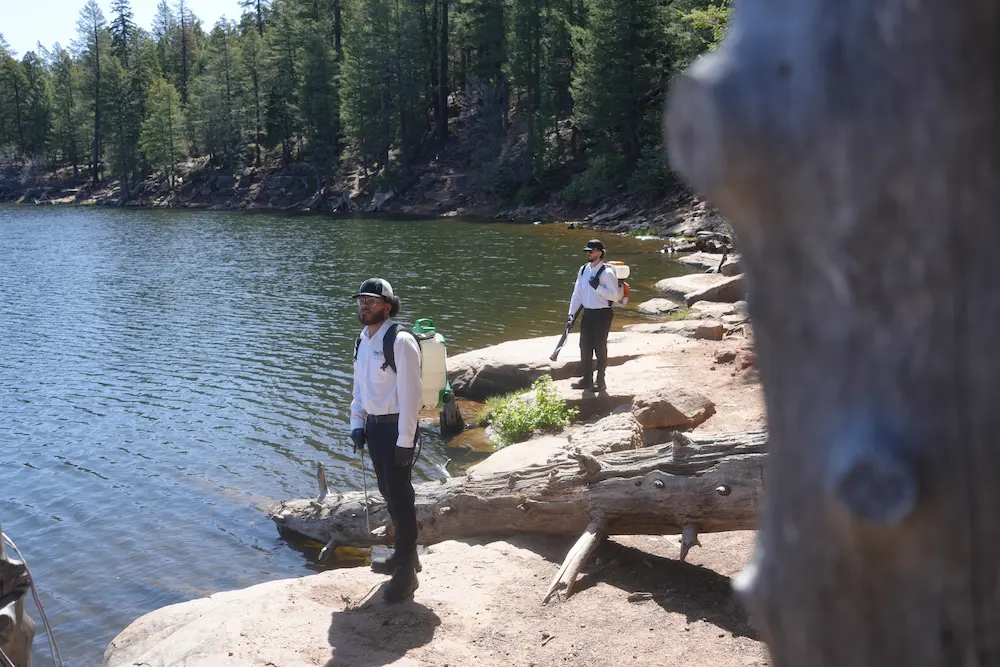
If biting insects remain a problem despite regular maintenance, there may be hidden breeding sites or larger pest populations nearby.
Professional pest control services can identify problem areas, recommend targeted treatments, and help reduce mosquito, tick, flea, and other biting insect populations around your property. Combined with good yard maintenance, professional treatments provide more comprehensive seasonal protection.
Enjoy Your Yard with Fewer Biting Insects
Learning how to prevent bloodsucking insects starts with removing the conditions they need to survive. By eliminating standing water, maintaining your landscaping, and following simple prevention practices, you can greatly reduce biting insect activity around your home.
A little routine maintenance goes a long way toward creating a safer, more comfortable outdoor space for your family and pets. Contact us for a free quote on our reliable pest control services today!
Citations
Brabant, P. (2016, August 23). Bothersome bloodsuckers. Pest Control Technology. Available at https://www.pctonline.com/news/bothersome-bloodsucker-mosquito-management/ (Accessed on July 13, 2026).