
Summary: Peppermint oil, cayenne pepper, dryer sheets, and ultrasonic devices are popular rodent repellents, but evidence for lasting results is limited. This guide explains what each one can and can’t do, why mothballs shouldn’t be used for rodents, and how exclusion and sanitation keep mice and rats out.
The first cold snap hits Spokane, and a day or two later there’s scratching in the wall behind the stove. Before calling anyone, most people try what they already have on hand or can grab at the hardware store: cotton balls soaked in peppermint oil, a line of cayenne along the baseboard, dryer sheets stuffed into the garage, or a plug-in device that promises to drive mice away with sound.
Some of these may cause a short-term reaction in rodents, and some do very little. This article takes an honest look at the most common household rodent repellents, what the evidence suggests about each one, where a couple of them can cause real harm, and what actually keeps mice and rats out of a house through a long Inland Northwest winter.
Why Repellents Are a Tough Sell Against Hungry Rodents
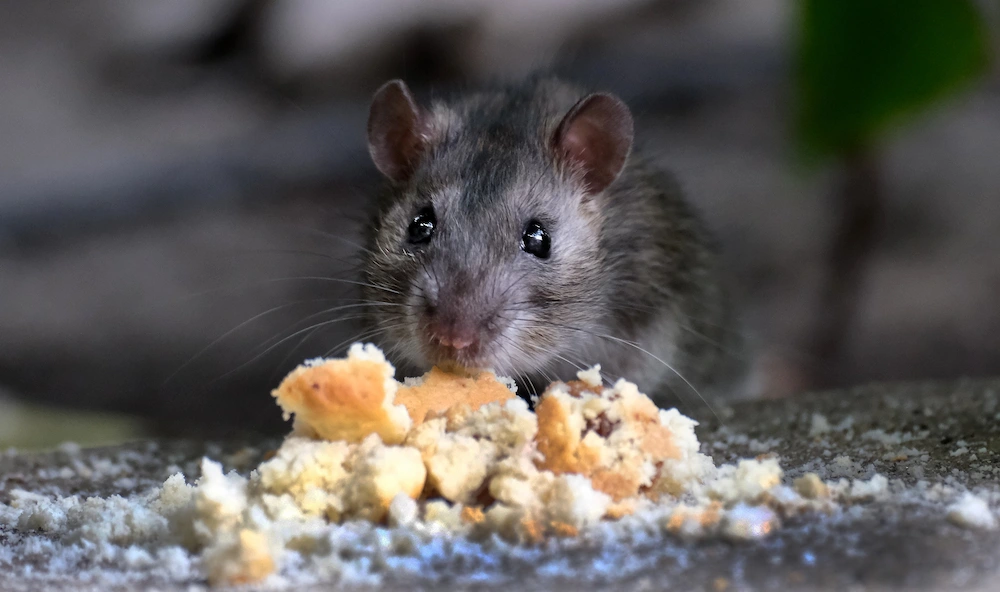
It helps to start with what a mouse is after in November. Cold nights push it toward warmth, and once it finds a gap into a house, it has shelter, nesting material, and usually some food within a few feet. That’s a powerful draw. A smell or sound that’s mildly unpleasant has to compete with all of it.
Rodents are also quick to adjust. Many will avoid something new and unfamiliar at first, then test it, and then carry on once nothing bad happens.
That pattern is a big reason home repellents seem to work for a week and then stop. The mice didn’t leave. They got used to it.
There’s also the question of what you’re aiming for. Pushing mice out of one corner of the kitchen doesn’t mean they’ve left the house. They may just shift to the pantry, the attic, or the wall void behind the dishwasher, where you won’t notice them until the damage shows up.
Testing the Common Home Remedies

Peppermint Oil
Peppermint oil is the most popular DIY rodent repellent by far, and it’s easy to see why. It smells pleasant to people, it’s sold everywhere, and the idea that a strong scent would bother an animal with a sharp nose sounds logical.
The trouble is that the research behind it is thin, and what does exist doesn’t show lasting results in a home setting. Essential oils evaporate fairly quickly, so a soaked cotton ball loses much of its punch within days. Any avoidance you see tends to fade as the smell fades, and the mice that were bothered at first may simply return. Concentrated essential oils can also irritate skin, and some can be a problem for pets, so keep them out of reach of cats and dogs.
Cayenne Pepper and Chili Powder
Capsaicin, the compound that makes peppers hot, does irritate rodents, and it shows up as an ingredient in some commercial products meant to discourage gnawing. Sprinkling cayenne around the house is a different story. The powder scatters, gets tracked around, and loses strength. Outdoors, a single rainy afternoon washes it away, which in Spokane in late fall doesn’t take long.
Cayenne can also sting the eyes and noses of the people and pets who live there. A dog that sniffs a line of pepper along the baseboard will have a worse day than the mouse in the wall. If you’ve used it and someone gets powder in their eyes, rinse with clean water, and call a doctor if the irritation doesn’t settle down.
Dryer Sheets
Dryer sheets have a reputation as a cheap mouse deterrent, especially for campers, boats, and stored cars. There’s little evidence that they keep rodents away. The scent fades over time, and a soft, fibrous sheet is the kind of material mice shred for nesting, so a box of them in the garage could end up as bedding.
Ultrasonic Devices
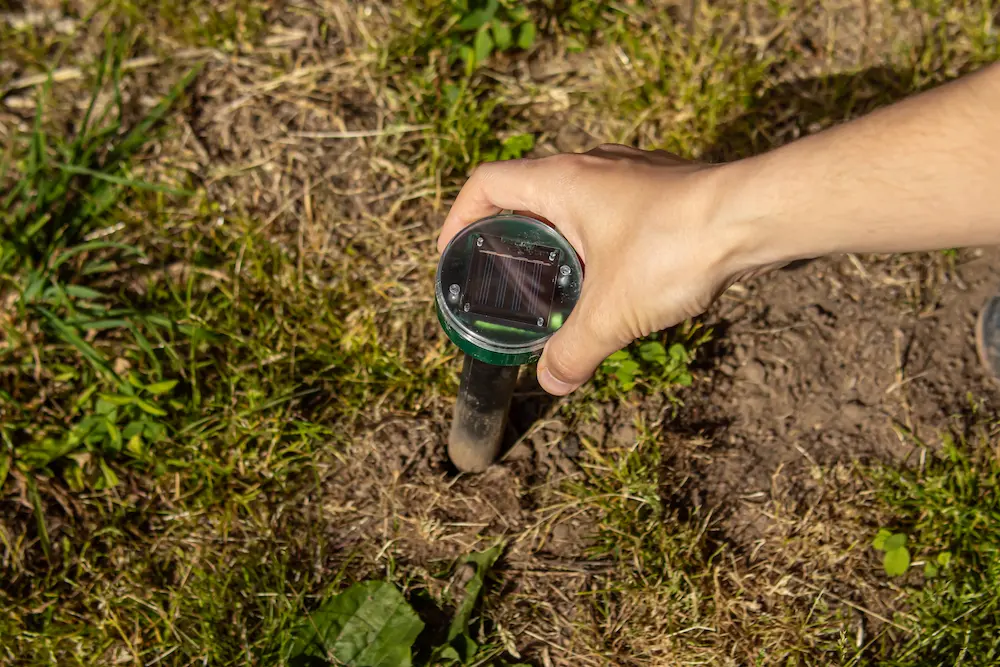
Plug-in ultrasonic repellers send out high-frequency sound that people can’t hear but rodents can. Research on them has been mixed. Some testing has shown rodents avoiding the area at first and then getting used to the sound within days or weeks, and other studies have found little effect at all.
High-frequency sound also doesn’t travel well. It doesn’t pass through walls, and furniture, boxes, and appliances block it, so there are plenty of quiet zones even in a room with a unit plugged in. Mice nesting inside a wall void or behind the fridge may barely register it. These devices are unlikely to be harmful to people, but they’re a weak substitute for finding the gap the mice are using.
Ammonia and Predator Urine
Some homeowners soak rags in ammonia or buy predator urine products. Ammonia fumes are harsh in enclosed spaces like basements and crawl spaces, and they can be hard on people’s lungs too. Predator scents haven’t shown reliable, lasting results inside homes, and rodents living with a steady food supply often ignore them.
Mothballs: Why We’d Skip Them for Rodents
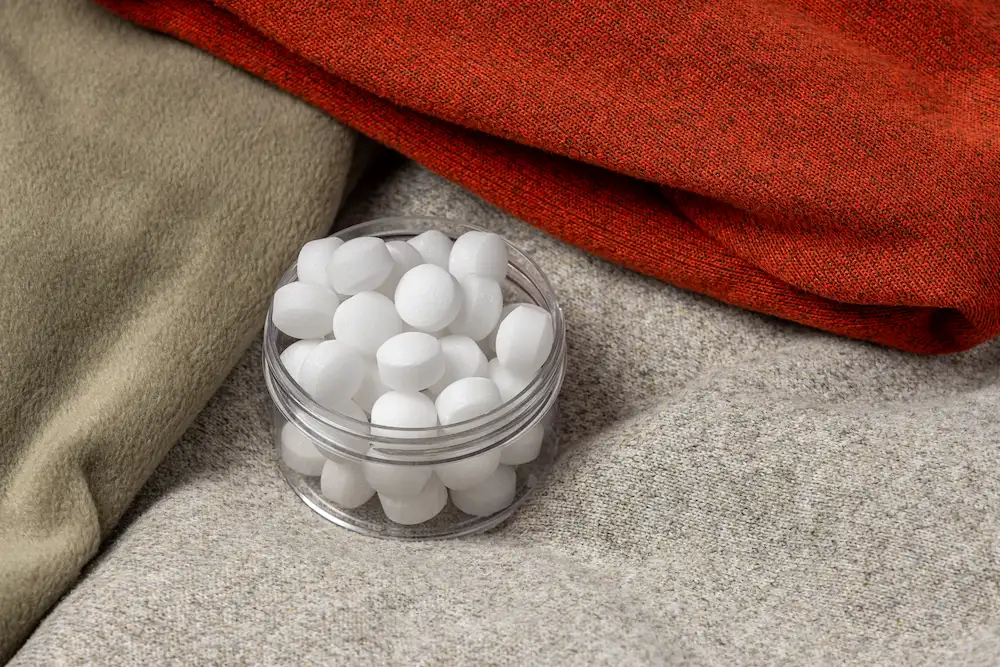
Mothballs come up constantly in rodent conversations, usually as something a relative swore by. They deserve their own section, because they’re more than an ineffective remedy.
Mothballs are pesticides. Their active ingredients, typically naphthalene or paradichlorobenzene, are regulated, and the product label spells out exactly how they can be used, generally inside tightly sealed containers with stored clothing to protect against clothes moths. Using them any other way, such as scattering them in an attic, crawl space, garage, or garden, is a use the label doesn’t allow. Pesticide labels are legally enforceable, so off-label use isn’t something we can recommend.
There are practical reasons, too. The fumes that build up when mothballs are spread around open areas can cause headaches, nausea, and eye and throat irritation in people, and they can be dangerous to pets and children if swallowed. They also tend to drift into living spaces through vents and floor gaps. If a child or pet swallows a mothball, contact Poison Control at 1-800-222-1222 or seek medical care right away.
Even setting the risks aside, there’s little to suggest mothballs used at label rates drive rodents out of a home. You’d be taking on the fumes for very little benefit.
What Actually Keeps Mice and Rats Out
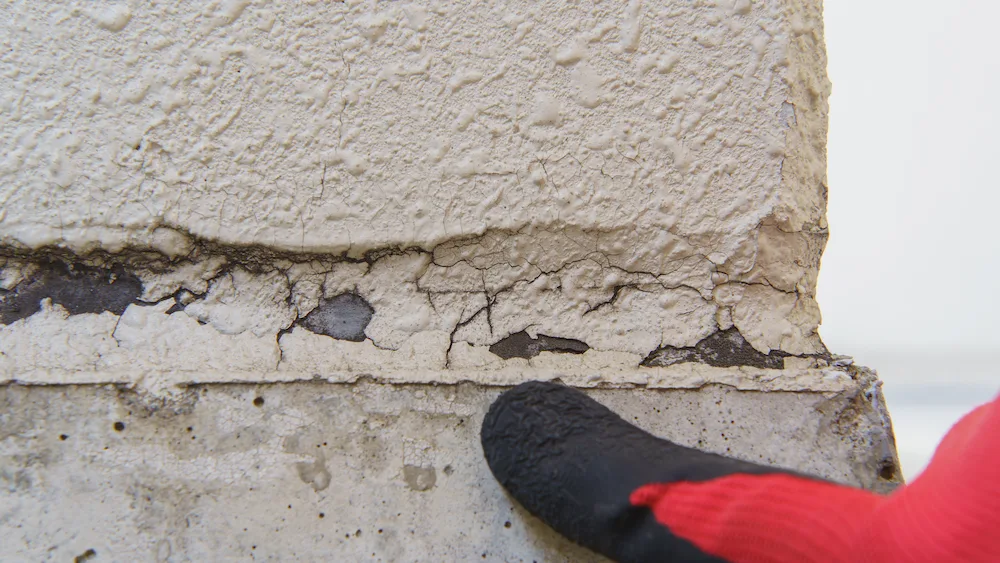
If repellents mostly buy time, the things that change the outcome are exclusion, sanitation, and a good look at the yard. None of it is as quick as plugging in a gadget, but it targets the reasons rodents came inside in the first place.
Find and Seal the Gaps
Mice can squeeze through a hole about the size of a nickel, and rats through one about the size of a quarter. That means the openings that matter are often small and easy to overlook. Check these areas closely:
- Where water lines, gas lines, and cables enter the house
- Foundation cracks and gaps under garage doors
- Gaps along the eaves, soffits, and roofline
- Dryer vents, crawl space vents, and torn vent screens
- Spaces around windows and door frames
Rodents chew into weak spots, so materials matter. Foam alone is easy for them to get through. Pros typically use durable, chew-resistant materials for repairs, and they look for the gaps that a homeowner on a ladder in December might miss.
Take Away Food and Cover
Store pantry food, pet food, and birdseed in sealed, airtight containers. Keep garbage in cans with tight-fitting lids, and clean up crumbs after meals, especially in the kitchen at night. Fix leaky pipes and clogged drains, since rodents need water too.
Outside, keep shrubs and plants trimmed back at least three feet from the house, and trim overhanging branches that give roof rats an easy bridge to the roof. Firewood is a favorite hiding spot, so store it at least 20 feet from the house. In Spokane Valley and Liberty Lake, where a lot of homes back up to open lots or tree lines, those yard habits make a noticeable difference.
Deal With the Mice Already Inside
Sealing the house while rodents are still in it can trap them in the walls, so exclusion usually goes hand in hand with removing the ones that are already there. Snap traps set along walls, behind appliances, and near droppings are a common starting point, since mice tend to run along edges rather than across open floor. Check them daily and wear gloves when you empty them.
Keep traps where children and pets can’t reach them, and be careful with store-bought rodent poisons. A poisoned mouse can die inside a wall and leave an odor for weeks, and pets can get into bait. If bait is needed, a professional can place it in secured stations suited to the house and the people and pets living in it.
Clean Up Safely
When you find droppings, resist the urge to sweep or vacuum them dry. Wear gloves, spray the area with a disinfectant and let it soak, then wipe it up with paper towels and throw them out. Rodent urine and droppings can trigger allergies and carry disease, so if anyone in the house develops a fever or flu-like symptoms after cleaning up rodent mess, talk to a doctor and mention the exposure.
Getting Rodents Out for Good in Spokane and Beyond
So, do rodent repellents work? A few may cause brief avoidance, but none of the home remedies has strong evidence behind it for lasting control, and mothballs shouldn’t be used this way at all. The approach that holds up is less exciting: seal the entry points, remove food and shelter, clean up carefully, and deal with the rodents already inside.
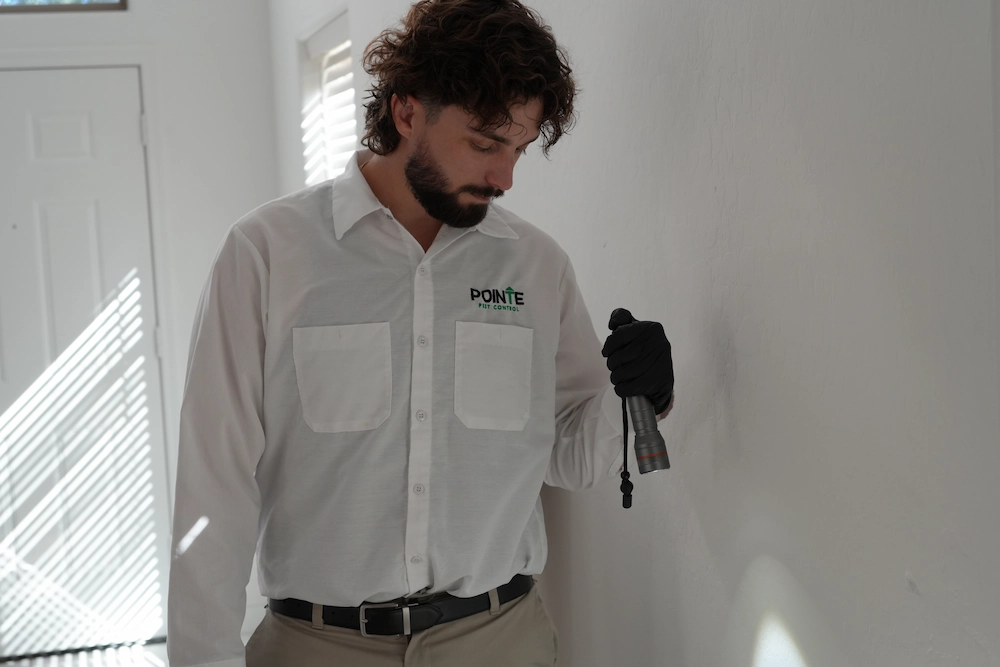
If you’re still hearing scratching after trying the usual remedies, our residential rodent control starts with a perimeter inspection of your foundation, eaves, and the spots where pipes enter the home, followed by repairs made to resist chewing. Homeowners in Spokane, Spokane Valley, and Liberty Lake can set up a free assessment with the team that handles rodent control in Spokane and get a plan in place before the deep cold of winter settles in.
Contact us for a free quote on our year-round rodent control services today!
Citations
Myth busting mice repellents. (n.d.). Rentokil. Retrieved November 9, 2026, from https://www.rentokil.co.uk/mice/myth-busting-mice-repellents/