
Summary: Crawl spaces, appliance gaps, attics, and wall voids are among the most common pest hiding spots in Pacific Northwest homes. This guide explains what draws pests to each area and how to check them.
A house can have an active pest problem for weeks before anyone notices, simply because most pests are experts at staying out of sight. Between the constant moisture of the Pacific Northwest and the number of quiet, undisturbed spaces in the average Olympia or Spokane home, pests have no shortage of places to settle in unnoticed.
Knowing the most common pest hiding spots in a house gives you a real head start on catching activity early, before it turns into a larger infestation.
Crawl Spaces and Attics: The Two Biggest Offenders
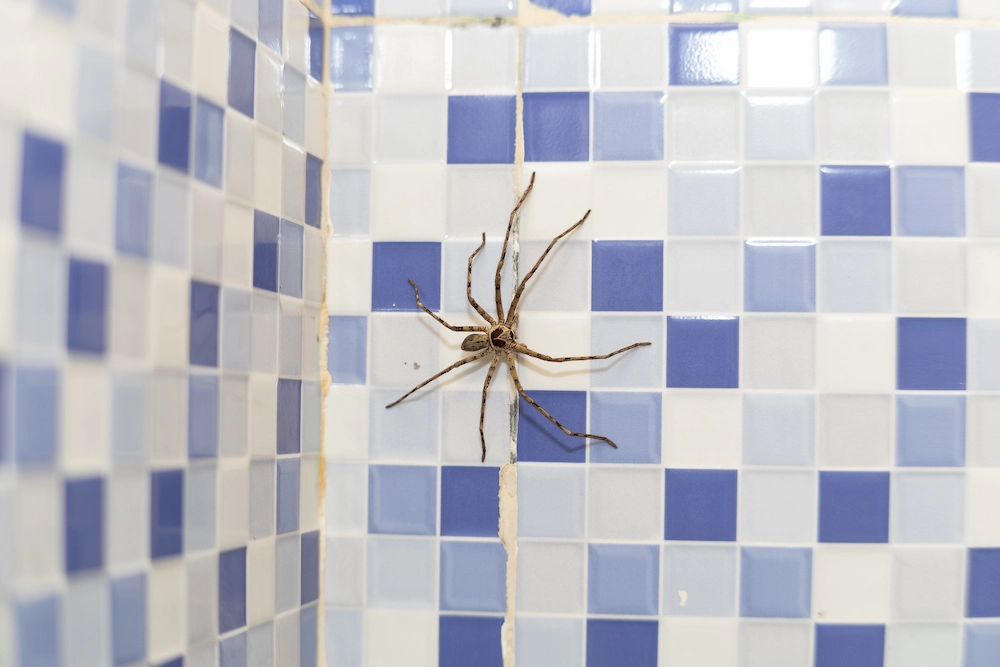
Few features of a Pacific Northwest home draw in pests the way a crawl space does. The combination of darkness, minimal foot traffic, and the moisture that comes with our regional rainfall creates ideal conditions for rodents, spiders, and moisture loving insects like sowbugs and centipedes. A crawl space that has not been inspected in a while is one of the most likely places to find early signs of a pest problem, from rodent droppings to damp insulation that insects have made a home in.
Vapor Barriers Matter More Than Homeowners Expect
A damaged or missing vapor barrier is one of the most common reasons a crawl space stays consistently damp enough to attract pests year round, rather than only during the wettest months. Torn sections, especially around support piers or plumbing penetrations, let ground moisture rise directly into the space above, which keeps humidity high enough to support both insect activity and the mold growth that often accompanies it.
Checking the vapor barrier during any crawl space visit, not just looking for pest signs, catches a moisture problem before it becomes a pest problem. This is especially relevant in older homes around Olympia built before more current vapor barrier standards were common.
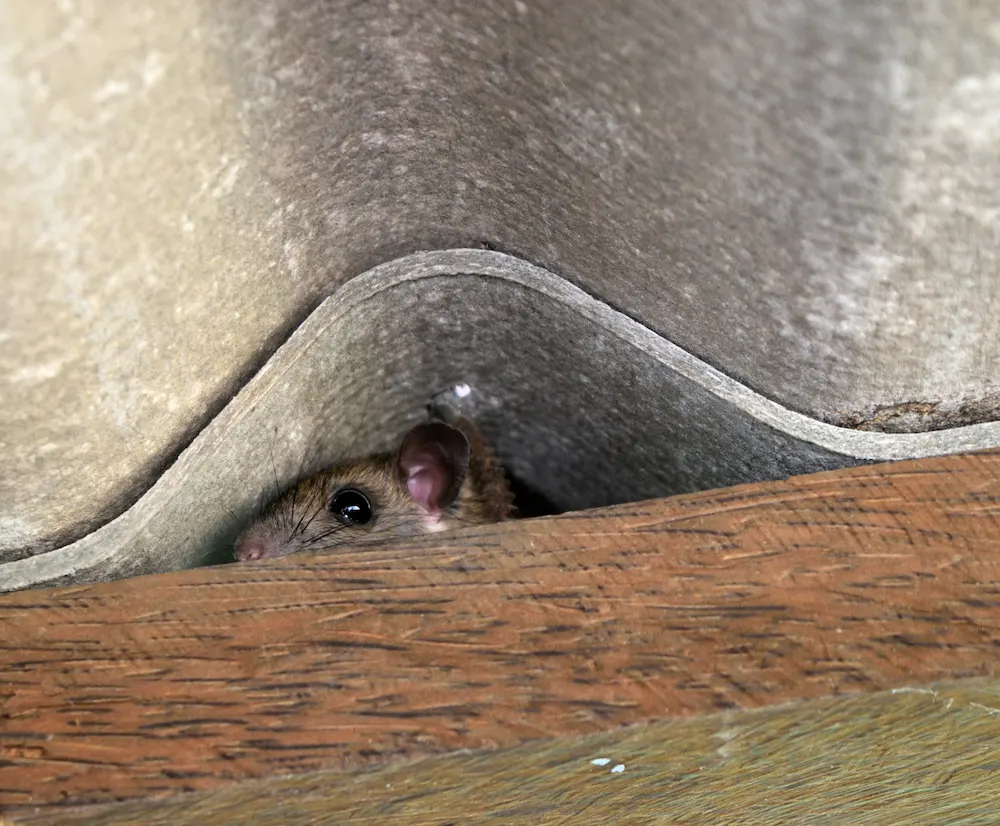
Attics offer many of the same conditions from a different angle. They give rodents and some insects shelter from weather, minimal disturbance, and, in older homes, gaps around vents or rooflines that provide easy access. Insulation disturbed in a straight line, chewed wiring, or a persistent scratching sound overhead are all signs that an attic has become more than just storage space.
Roof rats and Norway rats both take advantage of attic access in our region, and they tend to use the same entry routes repeatedly once established, often following utility lines or overhanging tree branches to reach the roofline in the first place. Trimming branches back from the roof edge removes one of the most common bridges rodents use to reach an attic without ever touching the ground near the house.
Kitchens, Bathrooms, and Anywhere Water Sits
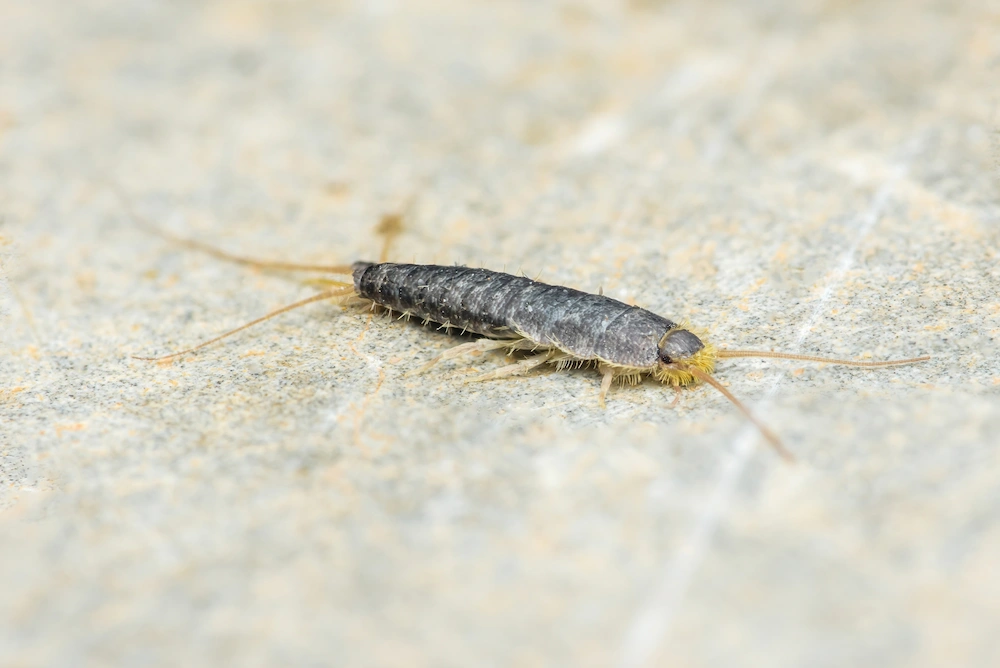
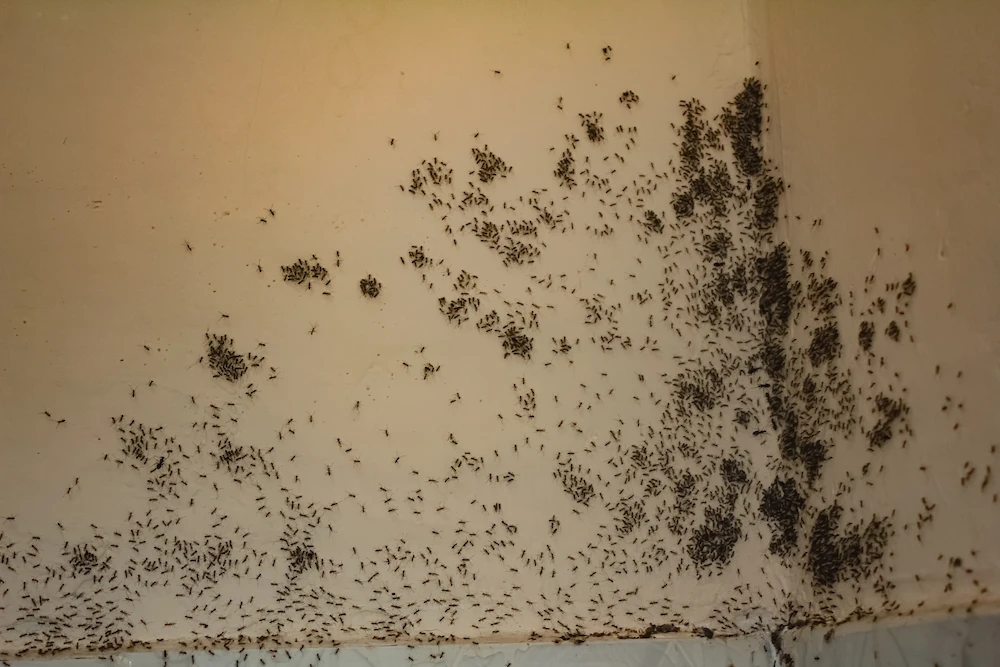
The gap behind a refrigerator or stove collects crumbs, grease, and moisture that most cleaning routines never reach. That combination makes it one of the more reliable spots to find cockroach or ant activity in a kitchen, especially in homes where appliances have not been pulled out and cleaned behind in some time. Dishwashers deserve the same attention, since the gap underneath collects both moisture from the appliance itself and crumbs that fall during loading and unloading.
- Crumbs and food debris that have built up behind appliances over time.
- Grease residue along appliance edges and floor seams.
- Signs of moisture from a leaking water line under a sink.
- Small droppings along baseboards near the kitchen or bathroom.
Any place with a steady water source tends to attract pests, and the cabinet under a kitchen or bathroom sink is one of the most common examples. A slow, unnoticed leak creates the moisture that cockroaches, silverfish, and ants are all drawn to, often without a homeowner realizing anything is wrong until activity is already established.
Garages, Storage Areas, and Wall Voids
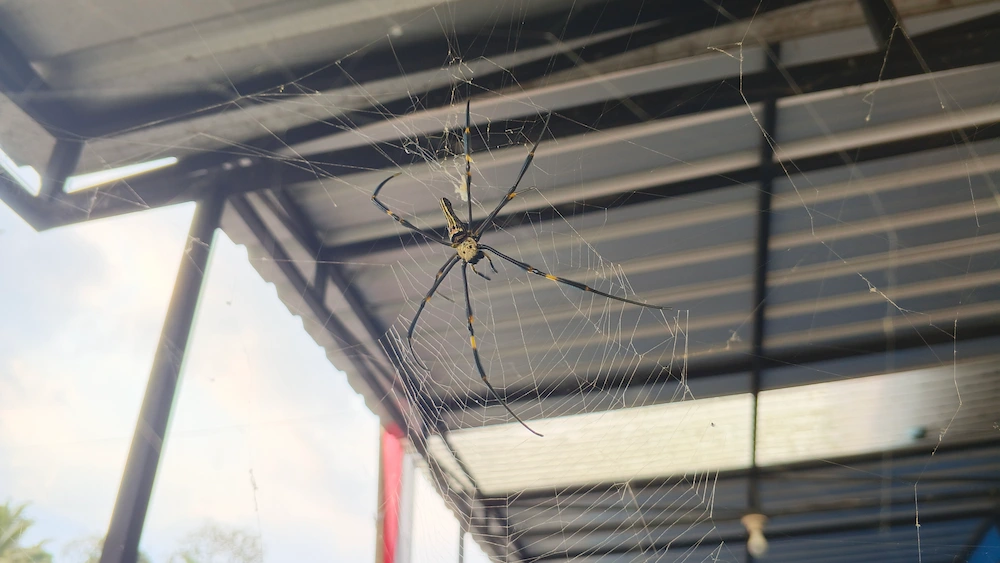
Garages combine several conditions pests look for at once: multiple entry points, stacks of rarely disturbed boxes, and often direct access to the outdoors through a gap under the main door. Spiders, rodents, and occasional ants all treat garages as a natural extension of the yard, which is common in both Olympia and Spokane neighborhoods with mature landscaping close to the house.
Cardboard boxes stored directly on a garage floor are a particular draw, since they hold moisture from concrete slabs and provide the kind of dark, undisturbed cover several pests are looking for. Switching to sealed plastic bins raised slightly off the floor removes both the moisture retention and the easy shelter cardboard provides.
Some of the most persistent pest activity happens in spaces homeowners never see directly, like the voids between interior and exterior walls. Rodents and some insects travel through these spaces to move between floors or rooms, which is why noises in a wall are often the first sign of a problem long before anything becomes visible. A residential pest control services inspection can help identify which of these areas are actively drawing pests on your specific property, since the layout and construction of every home is a little different.
Wall voids are especially hard to check without specialized equipment, which is part of why persistent scratching sounds or an unexplained odor are often the only clues homeowners have that something is active inside a wall rather than in a more visible space like a garage or crawl space.
Make The Most Common Pest Hiding Spots Less Appealing
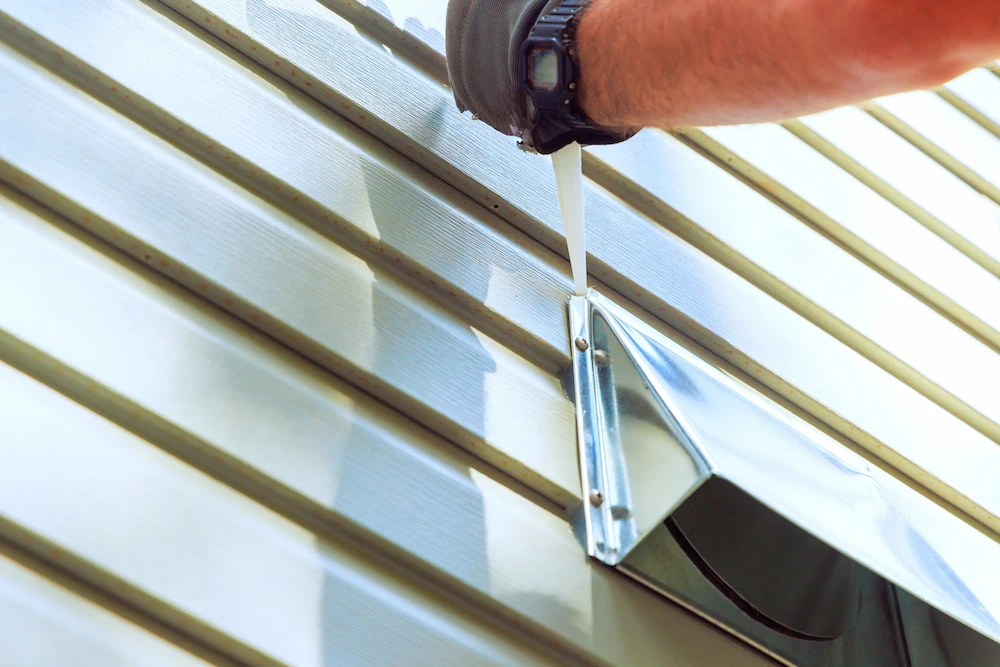
Reducing clutter in garages and storage areas, fixing leaks promptly, sealing gaps around crawl space vents, and periodically checking behind large appliances all make these hiding spots less hospitable. None of these habits eliminate risk entirely, but together they remove much of what draws pests toward these areas in the first place.
A seasonal routine works better than a one-time cleanup, since our regional rainfall keeps replenishing the moisture that draws pests back to the same spots year after year. Checking these areas each fall, before the wettest months set in, tends to catch problems while they are still small and manageable rather than after a full season of undisturbed activity.
It also helps to keep a mental map of which of these spots exist on your specific property, since not every home has all of them. A rambler on a slab foundation will have different vulnerable areas than a home with a full crawl space and a detached garage, so tailoring a check to your own layout is more useful than following a generic list from top to bottom, especially once you know which areas have caused problems in the past.
If you suspect rodents have already settled into a crawl space or attic, Pointe Pest Control’s Olympia rodent control team can take a closer look before the activity spreads further into the rest of the house. For a free quote on any of our professional services, contact us today!
Citations
Where do bugs hide in the home?. (n.d.). Scotts Miracle-Gro. Retrieved September 11, 2026, from https://scottsmiraclegro.com/en-us/learn/home-patio/where-do-bugs-hide-in-the-home.html