
Summary: Shared kitchens, bathrooms, storage areas, and living spaces can give pests plenty of opportunities to find food, water, and shelter. This guide explains how roommates and residents can work together to prevent common pest problems in apartments, dorms, and shared houses.
Sharing a living space means sharing kitchens, bathrooms, storage areas, and plenty of everyday responsibilities. Unfortunately, it can also mean sharing pest problems. One forgotten bag of trash, an open box of cereal, or a leaking sink can provide enough food and moisture to attract unwanted visitors.
Effective pest prevention in shared spaces works best when everyone understands how pests get inside and what encourages them to stay. Whether you live in an apartment, dorm, shared house, or another multi-person property, a few consistent habits can help reduce ants, rodents, cockroaches, flies, and other common pests.
Why Shared Living Spaces Can Have More Pest Problems
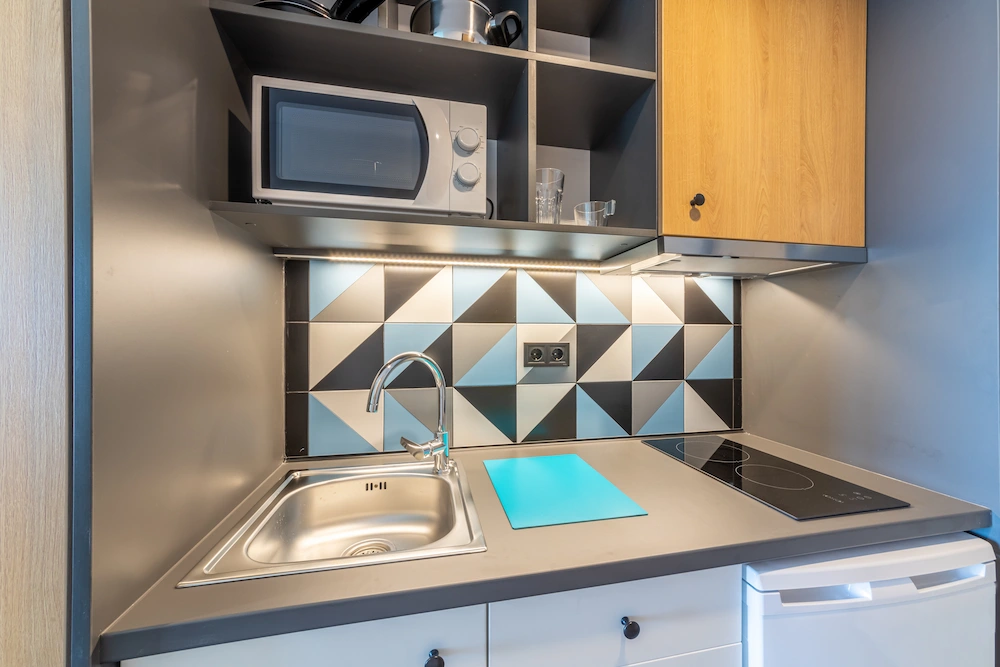
Pests do not care whose name is on the lease or who forgot to clean the kitchen. They are simply looking for food, water, shelter, and convenient places to reproduce. Shared spaces often provide more opportunities to find those resources.
Think about a kitchen used by four roommates instead of one person. There are more groceries, more meals, more dishes, and more chances for crumbs or spills to remain overnight. The same applies to garbage, recycling, pet food, and pantry storage. Pointe recommends storing vulnerable foods in airtight containers because many pests can access foods kept in ordinary cardboard or plastic packaging.
Apartments and dormitories create another challenge because individual rooms are connected to a larger building. Pests may move through wall voids, utility openings, hallways, plumbing routes, or gaps around doors. Even if your own space is spotless, activity elsewhere in the building can sometimes bring pests closer.
That does not mean pest problems are inevitable. It simply makes communication and prevention more important when several people share the same property.
Food, Trash, and Moisture Are Major Pest Attractants
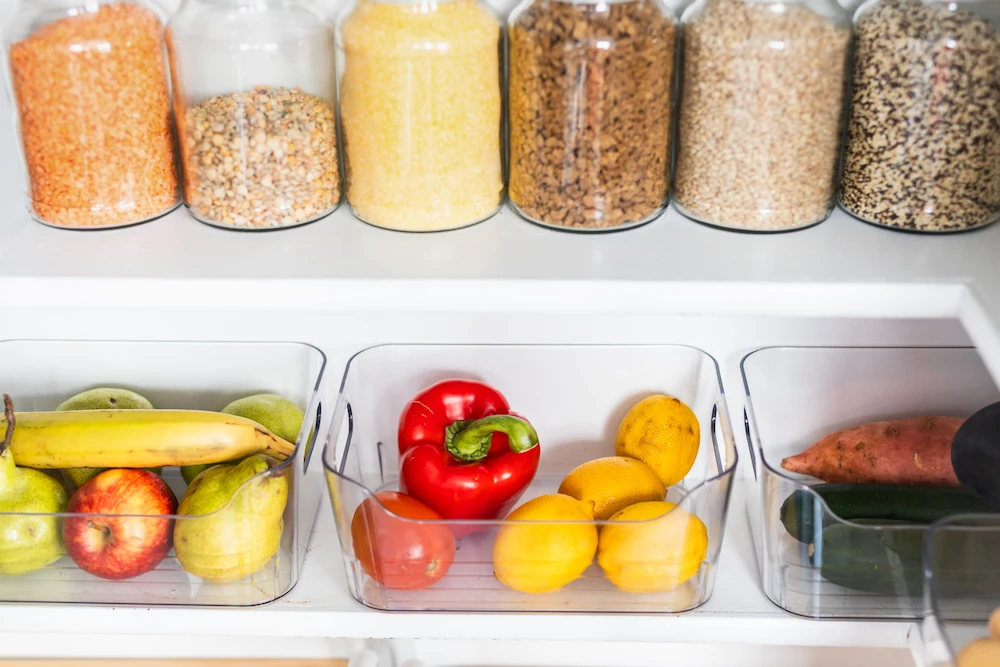
The kitchen is usually the first place to examine when pest activity starts. Ants, cockroaches, rodents, pantry pests, and flies are all motivated by accessible food. Crumbs under appliances, open snack bags, dirty dishes, and overflowing trash can turn a shared kitchen into an easy feeding ground.
Pointe’s prevention guidance recommends using airtight containers for foods such as cereal, grains, nuts, oats, and baking ingredients. Pet food deserves the same attention because cockroaches and rodents can feed on dry dog and cat food.
Trash management is just as important. When several people use one garbage can, it can fill much faster than expected. Take the trash out before it overflows, clean spills around the bin, and make sure outdoor garbage containers stay closed. Recycling should also be rinsed when food or sugary drink residue remains inside containers.
Moisture is another major attractant. A dripping faucet, damp bathroom, leaking pipe, or standing water can provide pests with a dependable water source. Pointe recommends repairing leaks promptly and keeping indoor spaces properly ventilated to reduce excess humidity.
In a shared home, encourage everyone to report leaks rather than assuming someone else will handle them. A minor plumbing issue can become a much bigger pest attractant when it goes unnoticed for weeks.
Clutter Gives Pests More Places to Hide
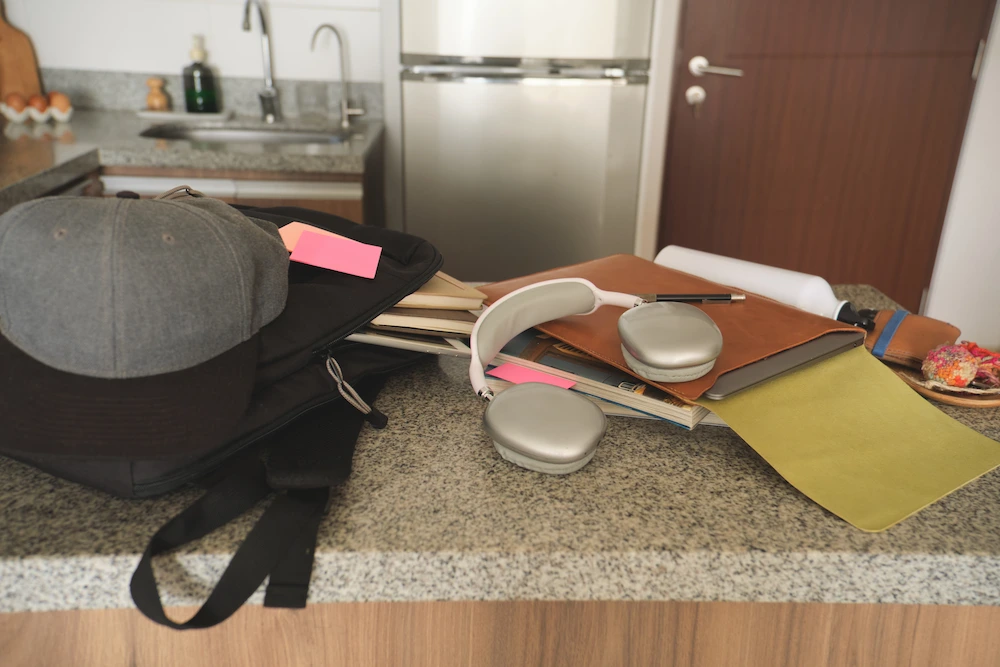
Shared homes tend to accumulate belongings quickly. Boxes arrive from online orders, luggage gets tucked into corners, and storage closets slowly fill with items belonging to several people. To pests, that clutter can look like prime real estate.
Cardboard is particularly troublesome because it provides sheltered spaces where pests can remain undisturbed. Pointe recommends using plastic storage bins with secure lids for stored belongings and regularly checking garages, basements, attics, and other storage areas for signs of pest activity.
Dorm rooms and apartments can have limited storage, so eliminating every bit of clutter may not be realistic. Instead, focus on keeping floors and walls accessible enough to clean and inspect. Avoid leaving stacks of cardboard boxes untouched for months, and do not allow piles of clothing, paper, or bags to build up around the room.
Regular vacuuming and sweeping also remove more than visible dirt. Food crumbs and organic debris can support small pests, while cleaning makes droppings, shed insect skins, damaged packaging, and other warning signs easier to notice.
Pay extra attention beneath beds, sofas, refrigerators, and other furniture. These quiet areas are easy to overlook during routine cleaning and can give pests plenty of time to hide.
How Pests Move Through Apartments, Dorms, and Shared Houses
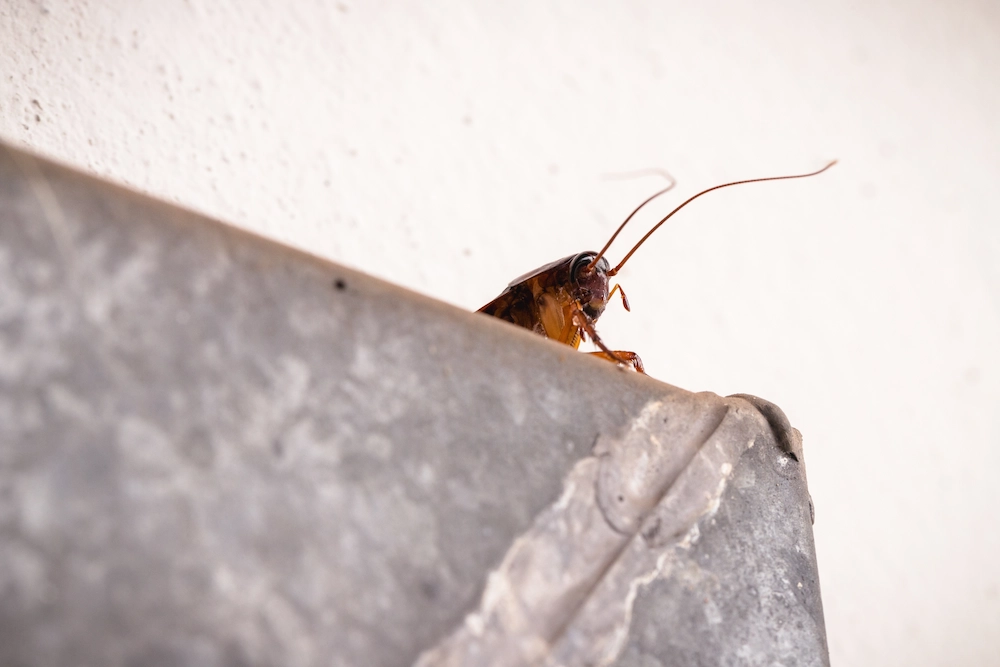
Sometimes a pest problem is not caused by anything happening in your room. In connected housing, pests may simply find a route from another part of the property.
Cracks around baseboards, gaps beneath doors, plumbing penetrations, vents, damaged screens, and utility openings can all provide access. Pointe’s general prevention guidance identifies foundations, window and door screens, weather seals, vents, and other exterior openings as important areas to inspect for pest entry.
In a shared house, residents may be able to address simple problems such as replacing a damaged screen or adding a door sweep with the property owner’s approval. In an apartment or dorm, structural repairs may need to be reported to property management or maintenance staff instead.
Travel can introduce another type of pest problem. Bed bugs are hitchhikers that can travel on luggage and personal belongings. Pointe recommends checking luggage after trips, paying particular attention to folds and crevices before storing bags away.
This matters even more in shared housing because roommates may travel on completely different schedules. One person’s trip can introduce a pest into a space used by several people, so checking belongings after travel is a useful habit for everyone.
Easy Pest Prevention Habits Everyone Can Follow
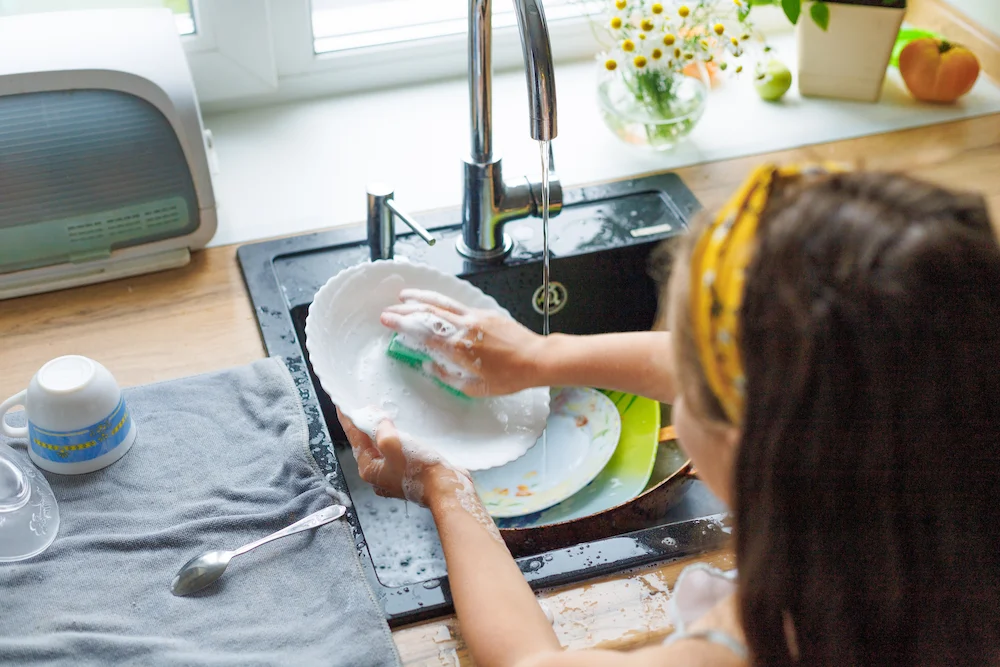
The best prevention plan is one that everyone can realistically maintain. A complicated cleaning schedule will not accomplish much if nobody follows it. Focus on a short set of habits that address the biggest pest attractants.
For practical pest prevention in shared spaces, start with these steps:
- Store pantry goods and pet food in sealed containers.
- Wipe up crumbs and spills after preparing food.
- Avoid leaving dirty dishes out overnight.
- Take out garbage before it overflows.
- Report leaking faucets, pipes, or other moisture problems.
- Reduce cardboard and unnecessary clutter.
- Check window screens, doors, and other possible entry points.
- Inspect luggage after traveling before putting it into storage.
The key word is consistency. One deep cleaning every few months is less useful than simple daily habits that keep food and water from becoming readily available.
Roommates can also divide responsibilities instead of assuming one person will manage everything. A basic rotation for trash, kitchen cleanup, and common-area vacuuming can make pest prevention much easier. In apartments and dorms, residents should also know how to contact management when they spot a structural issue or recurring pest problem.
What to Do When You Find Pests in a Shared Space
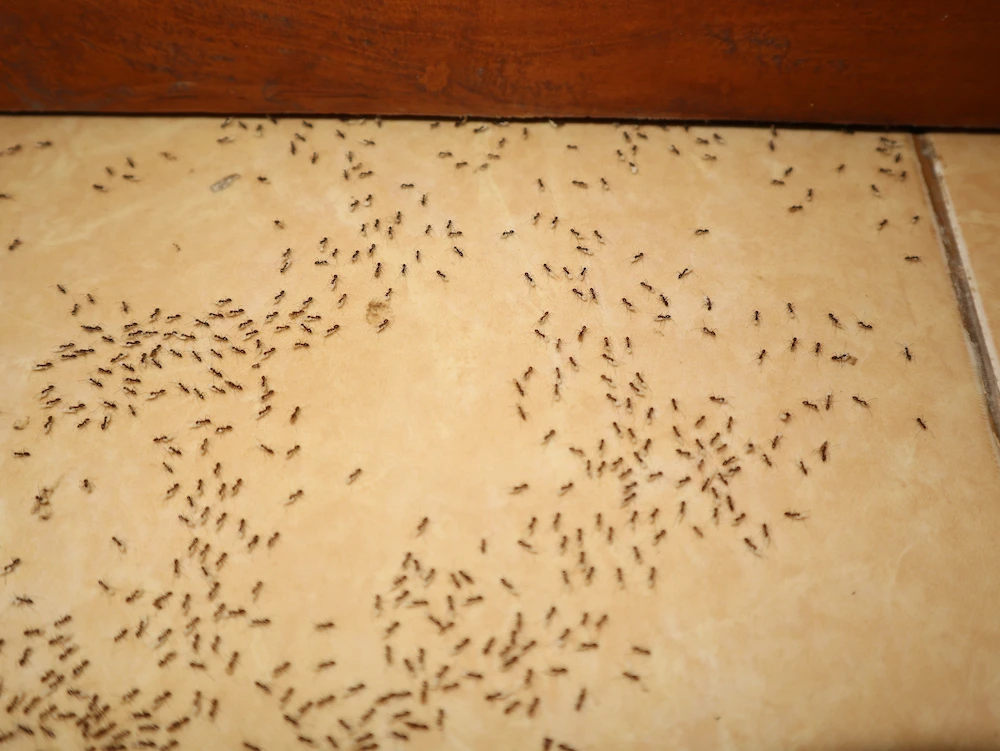
Finding one pest does not always mean there is a major infestation, but repeated sightings deserve attention. If you notice ant trails, rodent droppings, cockroaches, damaged food packaging, or other recurring signs, tell the other people who share the space.
Avoid turning the situation into a blame game. Pests can enter even clean properties, and in apartments or dormitories, the original source may be somewhere else in the building. The priority should be identifying what you are seeing, removing obvious attractants, and reporting the problem through the appropriate channel.
Residents of rental properties should follow their property’s process for reporting pest activity and maintenance concerns. Dorm residents can contact housing or facilities staff, while apartment residents can notify their property manager according to their lease and building procedures.
If you own or manage the home and pest activity continues, professional pest control can help identify hidden nesting areas and entry points. Pointe Pest Control provides residential pest control services for common pests such as ants, spiders, rodents, and other unwanted invaders.
Professional treatment works best when residents continue good prevention habits between services. Pointe’s existing guidance emphasizes that regular pest control, inspections, maintenance, and preventative measures can work together to provide ongoing protection.
Shared Space, Shared Pest Prevention
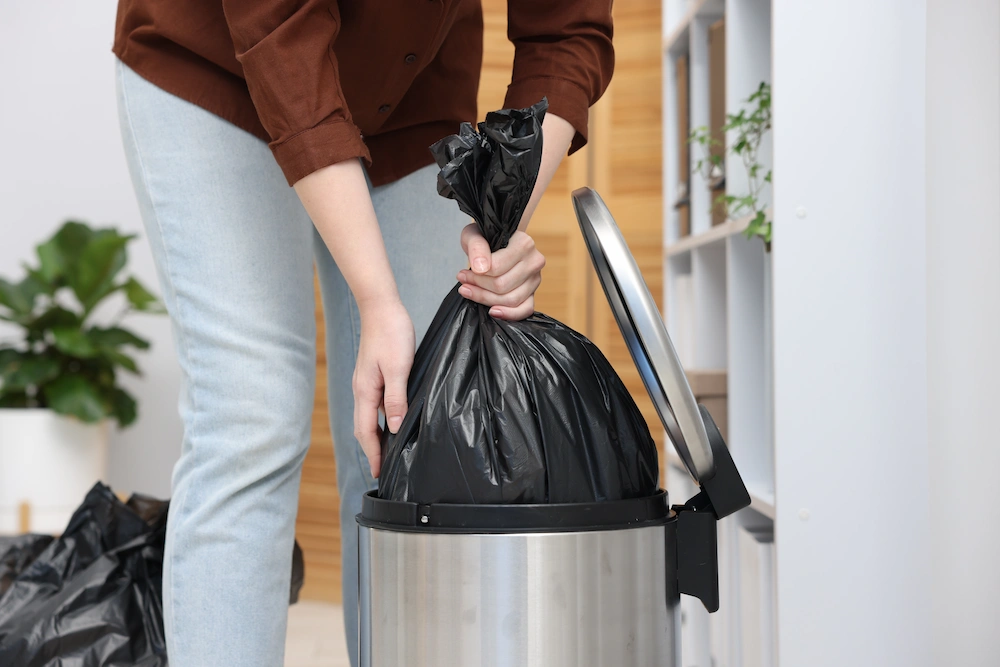
Living with other people comes with compromises. Nobody loads the dishwasher exactly the right way, someone always forgets which shelf is theirs, and apparently emptying the trash can become a surprisingly complicated group project. Pest prevention is one responsibility that is worth getting everyone on board with.
Keep food sealed, manage trash, clean shared areas, reduce clutter, report moisture problems, and pay attention to possible entry points. These simple habits make apartments, dorms, and shared houses much less appealing to pests.
When pests continue showing up despite everyone’s best efforts, it may be time for additional help. Pointe Pest Control can identify pest activity and recommend an appropriate treatment strategy for residential properties, helping you spend less time wondering which roommate invited the ants. For a free quote on our effective services, contact us today!
Citations
Common bugs and pests in apartments and how to get rid of them. (2025, October 10). EarthKind. Retrieved August 17, 2026, from https://www.earthkind.com/blogs/blogs/common-bugs-and-pests-in-apartments-and-how-to-get-rid-of-them?srsltid=AfmBOorXhbr6I1PXrhpqNpzXvltVGbY-hY6YU7LMa8AdEfzDNb2EvM6t