

Summary: Educational blog explaining common fabric-damaging pests, warning signs, and prevention methods, with guidance on professional pest control support.
Pulling your winter coats, sweaters, or blankets out of storage should feel like a seasonal reset. Unfortunately, many homeowners discover holes, fraying edges, or unexplained damage instead. These issues are often caused by pests that quietly target stored fabrics while we are not looking.
Understanding which pests are responsible and how they operate is the first step in protecting your belongings. In this guide, we will break down the most common pests that eat winter clothes, explain why stored fabrics are so vulnerable, and show you how to protect winter clothes from pests before damage spreads.
Why Stored Winter Fabrics Attract Pests

Winter clothing and blankets are usually stored for months at a time, giving insects uninterrupted access to materials they love. Natural fibers like wool, cashmere, fur, silk, and feathers contain proteins that many fabric-feeding insects rely on to survive.
Storage areas such as closets, attics, basements, and spare rooms also tend to be dark, quiet, and undisturbed. These conditions allow pests to feed and reproduce without interference. Even clean clothing can be at risk, especially if body oils, sweat, or food residue remain on the fabric.
Another overlooked factor is airflow. Tightly packed storage bins or vacuum-sealed bags can trap moisture, creating ideal conditions for insect activity. Once pests move in, damage often continues unnoticed until the next cold season.
Clothes Moths and Other Fabric-Eating Insects
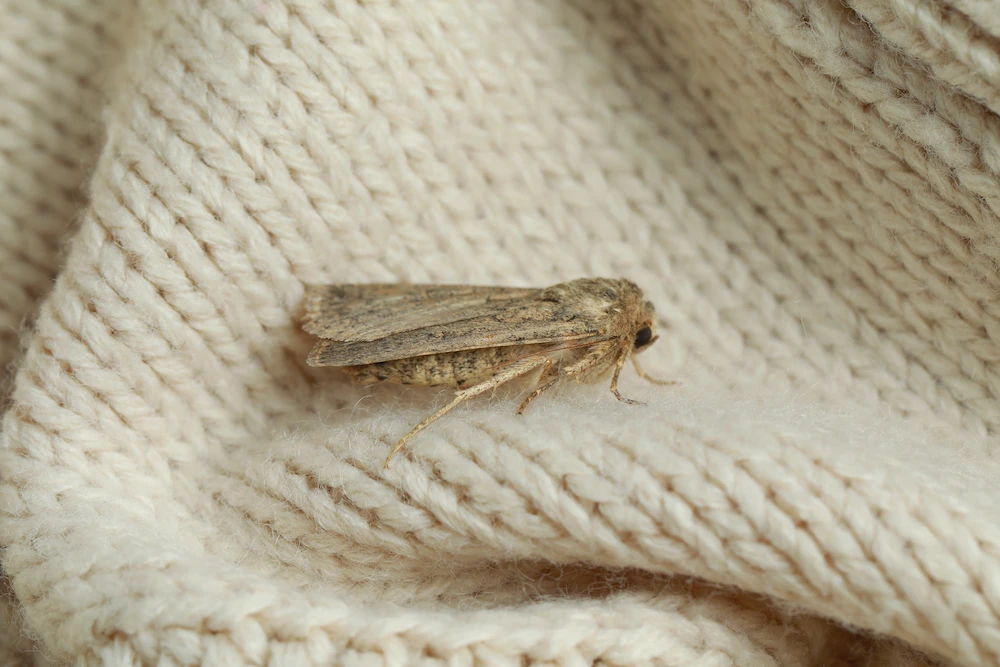
One of the most common pests homeowners encounter is clothes moths in stored clothing. Unlike pantry moths, these insects avoid light and prefer undisturbed spaces where they can lay eggs directly on fabrics.
Clothes moth larvae are responsible for the damage, not the adult moths. The larvae feed on fibers over several weeks, creating irregular holes and thinning fabric. Wool sweaters, scarves, and coats are especially vulnerable.
Other fabric eating insects can also cause problems, including carpet beetles. Their larvae feed on a wide range of natural fibers and often damage blankets, upholstery, and clothing at the same time. Because these insects are small and slow-moving, infestations often go unnoticed until damage becomes widespread.
Pests That Damage Blankets and Bedding
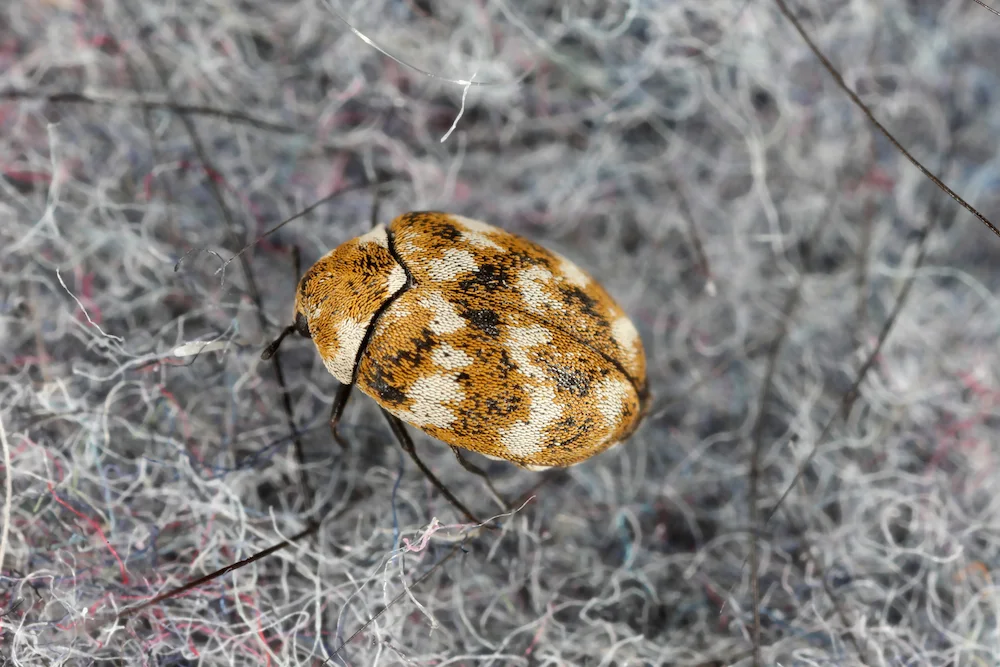
Blankets, comforters, and stored bedding are frequent targets because they are often folded and stored for long periods. Pests that damage blankets tend to favor items made from wool, down, or blended natural materials.
Carpet beetle larvae are especially problematic in bedding storage. They feed on lint, hair, feathers, and fabric fibers, which makes closets and linen cabinets ideal environments. Damage often appears as bald spots or thinning areas rather than clean holes.
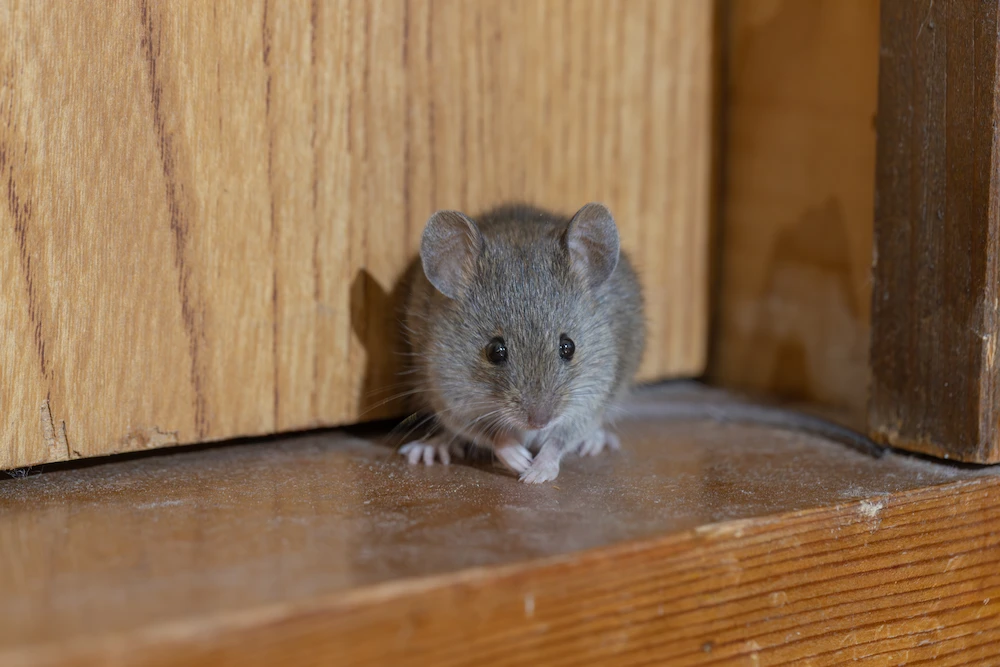
Rodents can also cause damage, though their impact is usually more obvious. Mice may chew through stored blankets to create nesting material, leaving shredded edges and contamination behind. Any sign of rodent activity should be addressed immediately to prevent health risks and further damage.
Signs Your Winter Clothes Are Being Eaten
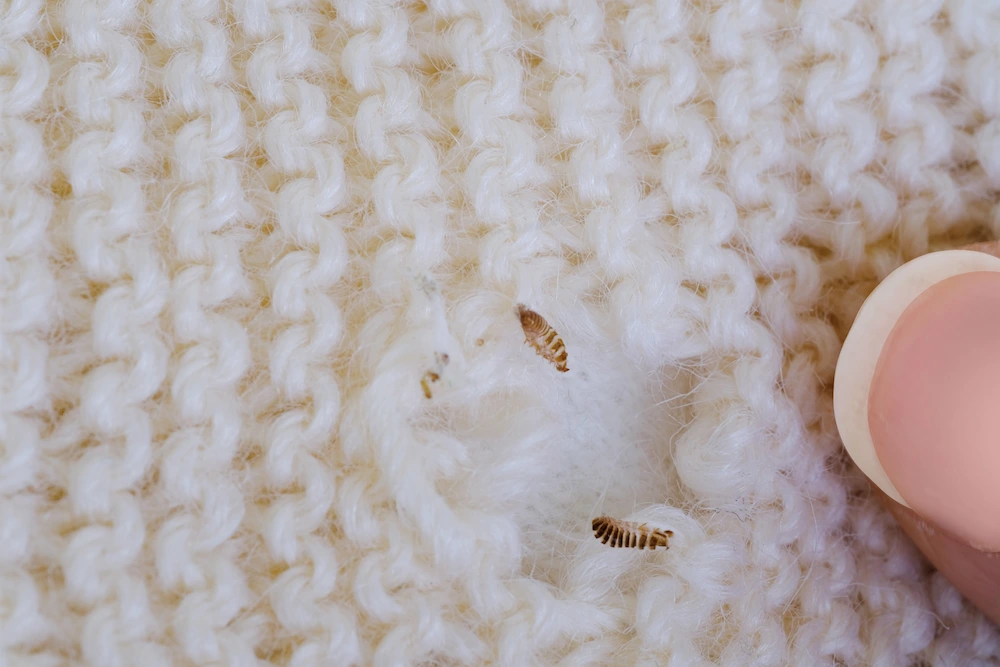
Fabric damage is not always obvious at first. Many homeowners only notice an issue when garments are worn or unfolded months later. Knowing what to look for can help you catch problems early.
Common warning signs include:
- Small holes or thinning areas in wool or knit fabrics
- Shed insect skins or larvae casings near stored items
- Adult moths or beetles appearing near closets or storage bins
You may also notice fine powder or frass, which is insect waste, collecting at the bottom of bins or drawers. These signs often indicate ongoing feeding activity that requires attention.
How to Protect Winter Clothes From Pests

Prevention starts before clothing goes into storage. Washing or dry cleaning winter items removes oils and residues that attract insects. Even lightly worn items should be cleaned before being stored for the season.
Proper storage is equally important. Airtight containers made from hard plastic offer better protection than cardboard boxes or fabric garment bags. Cedar blocks or lavender sachets can help deter insects, but they should be used as a supplement rather than a primary solution.
For ongoing protection, regular inspections matter. Checking stored items every few months allows you to spot early signs of pests before damage spreads. If you suspect ongoing activity, professional general pest control services can help identify the source and stop infestations at the root.
When Fabric Damage Signals a Larger Pest Issue
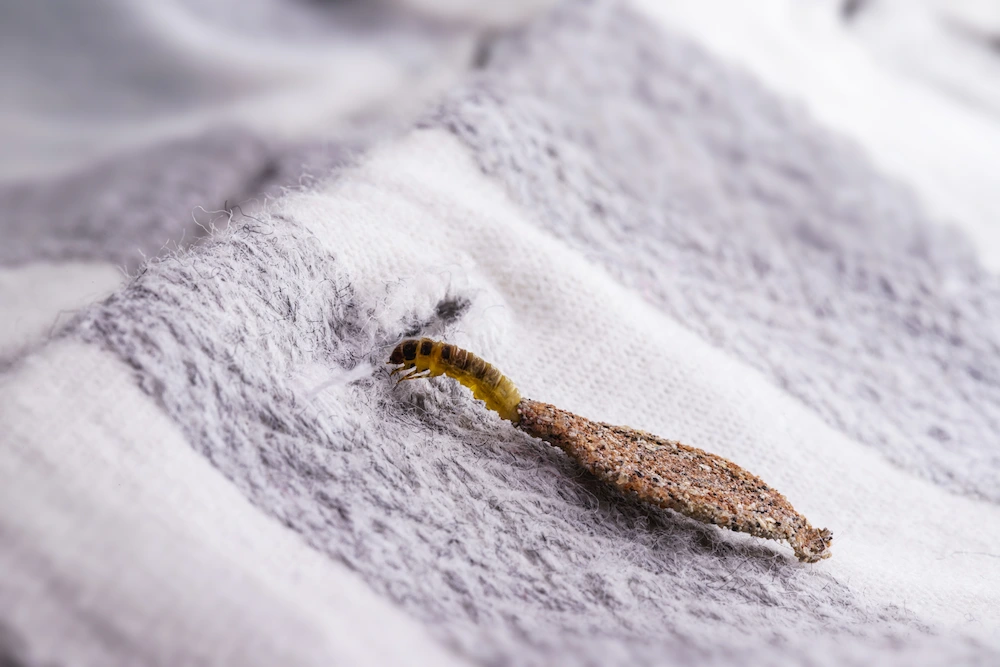
Repeated clothing or blanket damage often points to a broader pest problem in the home. Insects that feed on fabrics may also infest carpets, furniture, or wall voids. Without treatment, populations can grow and spread to new areas.
Professional pest control addresses more than just visible insects. Technicians inspect entry points, identify nesting areas, and apply targeted treatments that prevent re-infestation. This approach protects both your belongings and your living space.
If you have noticed ongoing fabric damage or suspect pests in storage areas, contacting a local professional early can prevent costly replacements and long-term frustration. You can always contact Pointe Pest Control to schedule an inspection or learn more about preventative options for your home.
Protect Your Home and Belongings Year-Round
Winter clothes and blankets are investments, and protecting them requires awareness and proactive care. From clothes moths to carpet beetles, pests that eat winter clothes thrive when storage conditions allow them to go unnoticed.
By cleaning items before storage, choosing proper containers, and addressing pest activity early, you can keep your belongings safe season after season. For lasting peace of mind, professional pest control provides the added protection needed to keep fabric-damaging pests out of your home for good. Protect your winter clothes with Pointe!
Citations
Leverette, M.M. (2025, October 27). How to identify 8 insects that eat holes in clothes. The Spruce. Available at https://www.thespruce.com/insects-that-eat-holes-in-clothes-2146424 (Accessed on December 16, 2025).