
Summary: Explains why ants are more active after rain, including how flooded nests force colonies to relocate and why ants often enter homes during wet weather.
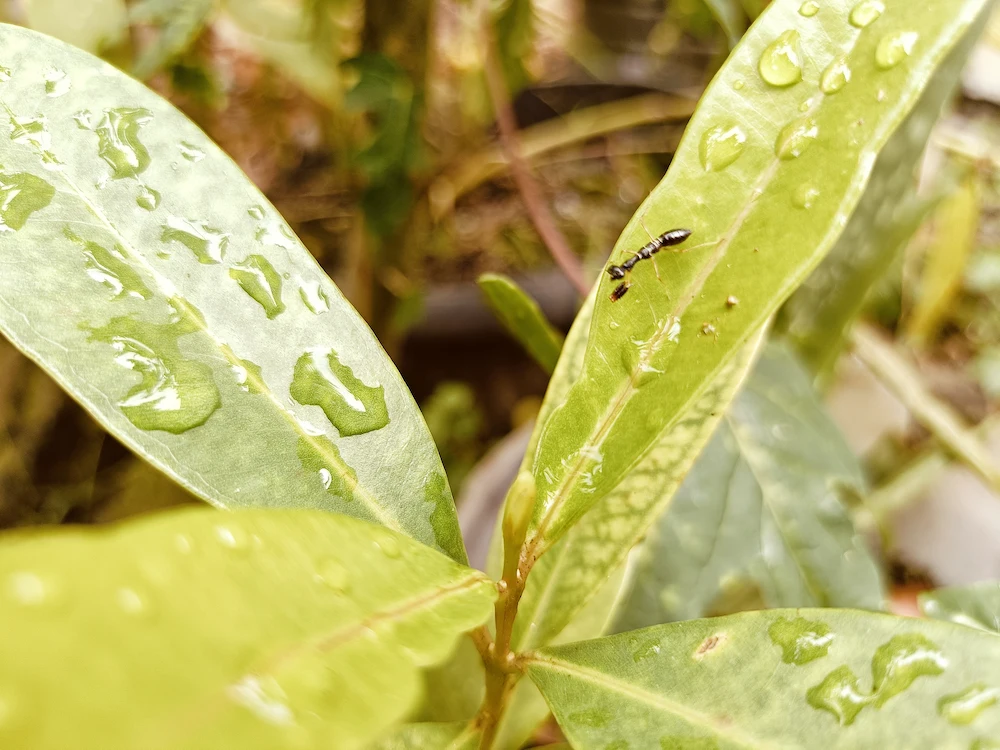
Rainfall often brings a noticeable surge in insect activity, and ants are one of the pests homeowners notice first. Many people wonder why ants are more active after rain, especially when trails suddenly appear across kitchens, patios, and driveways shortly after a storm.
The answer usually comes down to survival. Rainwater can flood underground nests and disrupt the colony’s normal structure. When that happens, ants must quickly move brood, food, and workers to safer areas. That movement often pushes them closer to homes, which is why ant sightings increase right after storms.
How Rain Affects Underground Ant Nests
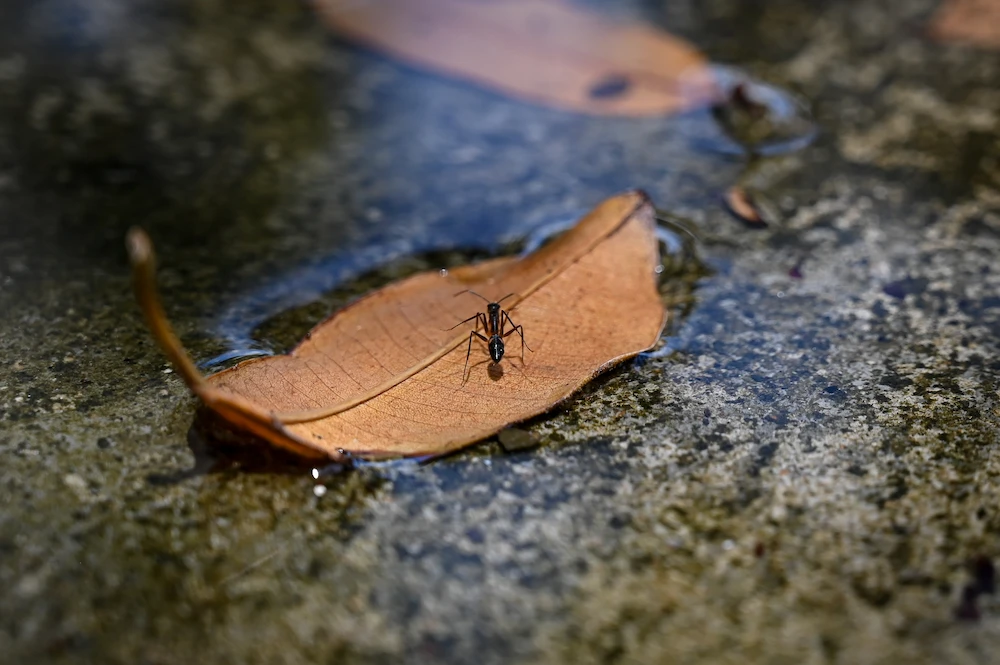
Most ant species build nests in soil, mulch, or beneath objects that hold moisture. These spaces protect the colony from predators and temperature swings. However, they also make the nest vulnerable to heavy rainfall.
When storms saturate the ground, water can seep into tunnels and chambers. In severe cases, it floods sections of the nest entirely. This is one of the main reasons why ants leave their nests when it rains. Workers immediately begin relocating larvae, pupae, and food reserves to dry ground.
Ant colonies are highly organized during this process. Workers form new foraging paths and temporary nests until conditions stabilize. That relocation activity often brings them into yards, garages, and even indoor spaces.
Why Ants Come Out After Rain and Enter Homes
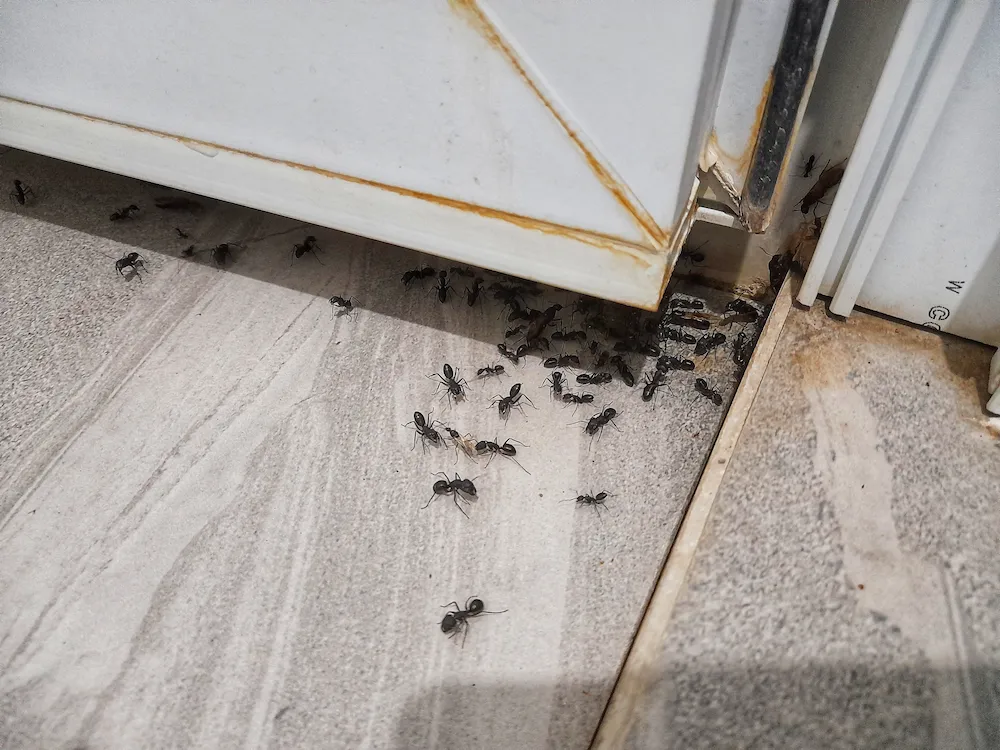
Rain does not just disturb nests. It also changes the availability of food and shelter outdoors. Wet soil, overflowing gutters, and standing water force many insects to move, which alters the entire local ecosystem.
These changes help explain why ants come out after rain. As outdoor conditions become unstable, ants expand their search area for dry shelter and accessible food sources. Homes offer both.
Common entry points include:
- Gaps under doors and windows
- Cracks in foundations or siding
- Utility openings and pipe penetrations
- Spaces around crawl spaces or vents
Once ants find an entry point, they leave pheromone trails that guide other workers inside. This is why small sightings can quickly turn into visible indoor trails.
Why Ants Are More Active After Rain

Another reason why rain brings out ants is the colony’s need to rebuild after disruption. Flooding can destroy parts of the nest and wash away stored food. Colonies must quickly replace lost resources.
This leads to a burst of foraging behavior. Workers spread out over larger areas looking for sugars, proteins, and moisture. When they discover a reliable source, such as kitchen crumbs or pet food, they return repeatedly.
This increased movement is what homeowners notice as ant activity after rain. The insects are not necessarily multiplying overnight. Instead, the colony is temporarily operating at a higher level of urgency while it recovers from environmental stress.
Why Ants After Rain Often Appear in Kitchens and Bathrooms
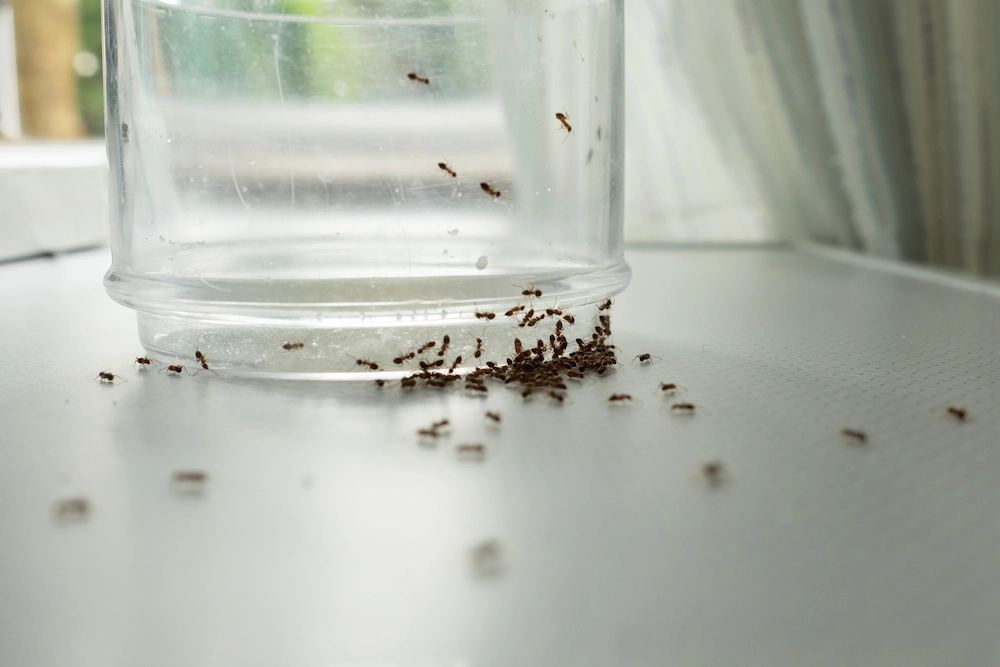
Indoor ant activity tends to concentrate around areas with moisture. Kitchens, bathrooms, and laundry rooms provide water sources that help colonies survive relocation periods.
Leaky pipes, damp cabinets, and condensation around sinks create ideal conditions for ants seeking hydration. If a nest outside has been partially flooded, those moisture sources become even more attractive.
For many species, water is just as important as food. That is why homeowners frequently see ants after rain gathering near sinks, dishwashers, or pet water bowls.
Reducing Ant Problems During Rainy Seasons

Rain is unavoidable in the Pacific Northwest, but you can reduce the chance that displaced ants will move inside. The goal is to remove easy access points and eliminate conditions that attract them.
A few simple prevention steps can help:
- Seal cracks in foundations and exterior walls
- Install door sweeps and repair damaged weatherstripping
- Keep food sealed and wipe up spills promptly
- Fix plumbing leaks and reduce indoor moisture
- Trim vegetation away from siding and foundations
These steps reduce the opportunities ants have when they begin relocating after storms.
When Recurring Rain Leads to Ongoing Ant Infestations
Occasional sightings after storms are normal. However, repeated ant trails may signal a larger colony nearby or a nest located within the structure itself.
Carpenter ants, for example, often nest in damp wood and become more active during wet weather. Persistent indoor trails can also mean the colony has established satellite nests in wall voids, insulation, or crawl spaces.
Professional inspections help locate hidden nests and identify the species responsible. Targeted treatment can eliminate the colony and reduce the chance of future infestations during rainy periods. Contact us for a free quote on our efficient ant control services today!
Citations
Ants and rain: Why do ants show up after it rains?. (2025, March 7). Pest Management Systems, Inc. Retrieved March 16, 2026, from https://pestmgt.com/blog/ants-and-rain-why-do-ants-show-up-after-it-rains/