
Summary: Moisture issues can create water access, damage materials, and open entry points that make it easier for pests to settle in.
Moisture is one of those home issues that feels “manageable” until it starts stacking problems on top of problems. A little condensation on a window, a slow drip under the sink, or a musty crawl space does not just threaten wood and drywall. It can also turn your home into a better habitat for bugs and rodents.
In the Pacific Northwest, damp weather and shaded yards make it easier for moisture to linger. If you have moisture problems that attract pests, the good news is that you can usually lower pest pressure by fixing the water issue first, then sealing the pathways pests use to get in.
Why Moisture Ramps Up Pest Activity
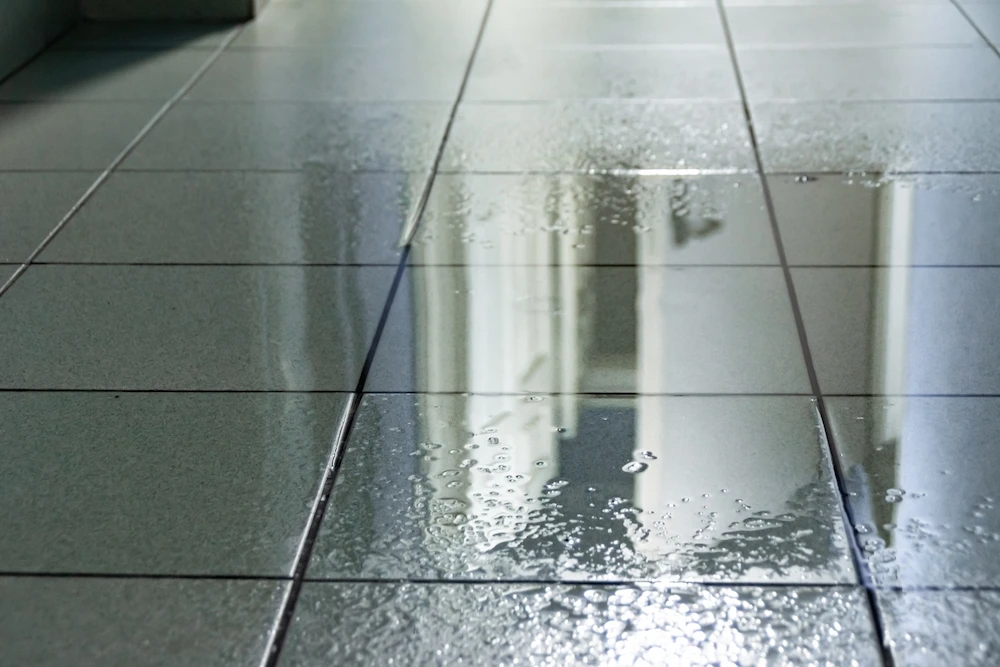
Most pests are looking for survival basics: water, shelter, and the right temperature. Moisture checks those boxes. Damp areas soften materials, grow mildew, and create safe hiding spots where pests can stay out of sight.
It also changes pest behavior. Many insects rely on humidity to keep eggs from drying out, and some pests prefer damp wood because it is easier to excavate. That is the heart of how water sources attract pests around a home.
Moisture Rarely Stays Where You Notice It
A small roof leak can drip into insulation and run along framing before it shows up as a stain. A bathroom fan that does not vent outside can raise attic humidity even if the bathroom looks fine.
That is why it helps to think in zones: the places you see moisture, and the places moisture ends up. Pests follow that same logic, too.
Where Moisture Hides Around PNW Homes
Some water problems are obvious, like a dripping hose bib or a puddle under the water heater. Others are slow and steady, which makes them easier to ignore until pests show up.
Start by walking your property after a heavy rain and again during a dry stretch. You want to see where water collects and where it never fully dries out.
Common moisture sources include:
- Plumbing leaks under sinks, behind toilets, or at appliance hookups
- Crawl space dampness from poor ventilation or ground moisture
- Bathroom and laundry humidity that lingers after showers or loads of laundry
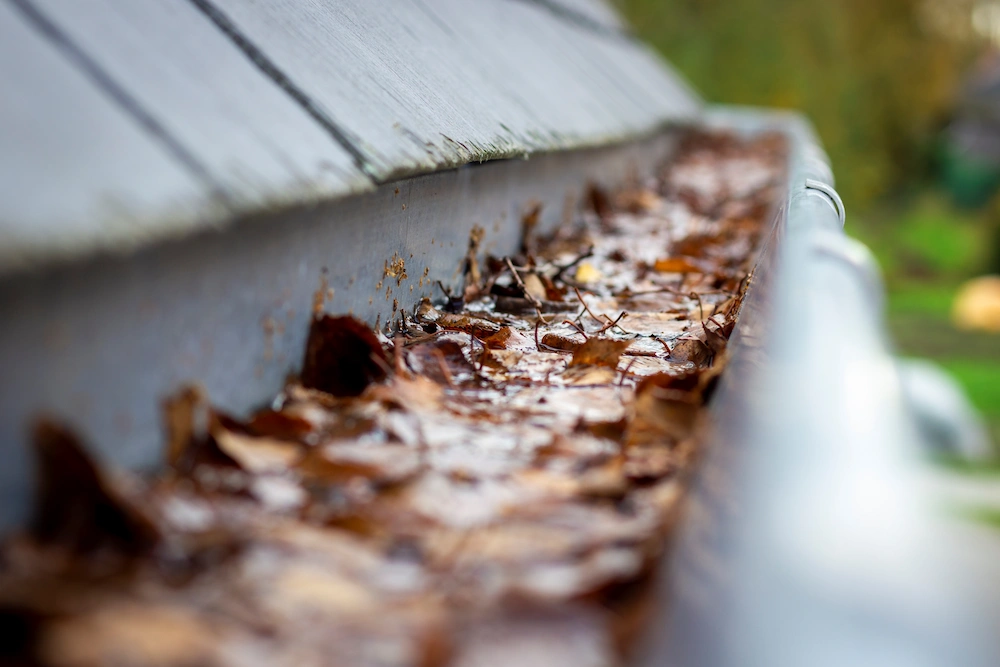
- Clogged gutters and downspouts that dump water near the foundation
- Overwatering and sprinklers that spray siding or soak flower beds
Crawl Spaces and Basements Deserve Extra Attention
A damp crawl space can stay humid for months, especially if there is standing water, wet soil, or torn vapor barriers. Basements can have similar issues if grading or downspouts send water toward the house.
Even without puddles, moisture can build behind stored items, inside wall cavities, or around foundation edges where air does not circulate well.
Moisture, Damage, and Entry Points Often Go Together
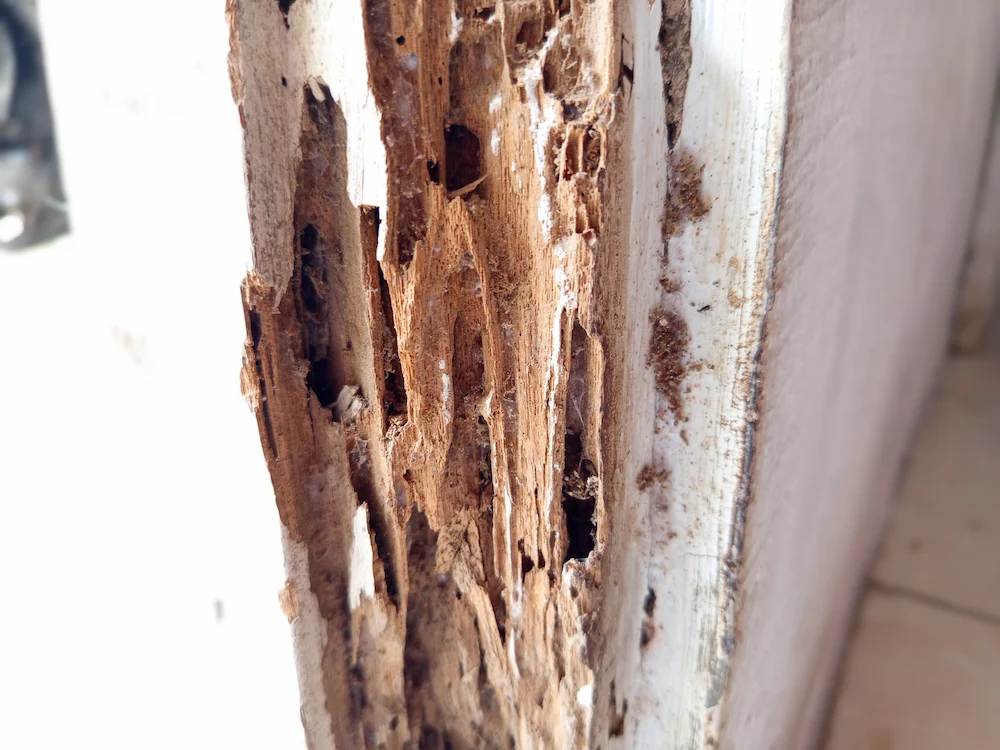
Pests rarely “appear out of nowhere.” They usually find an opening, then take advantage of conditions that help them stay hidden. Moisture speeds up that process by weakening materials and creating gaps as things swell, shrink, and rot.
Over time, you can end up with moisture entry points for insects around window trim, soffits, siding seams, and foundation lines.
Rot and Soft Wood Make Access Easier
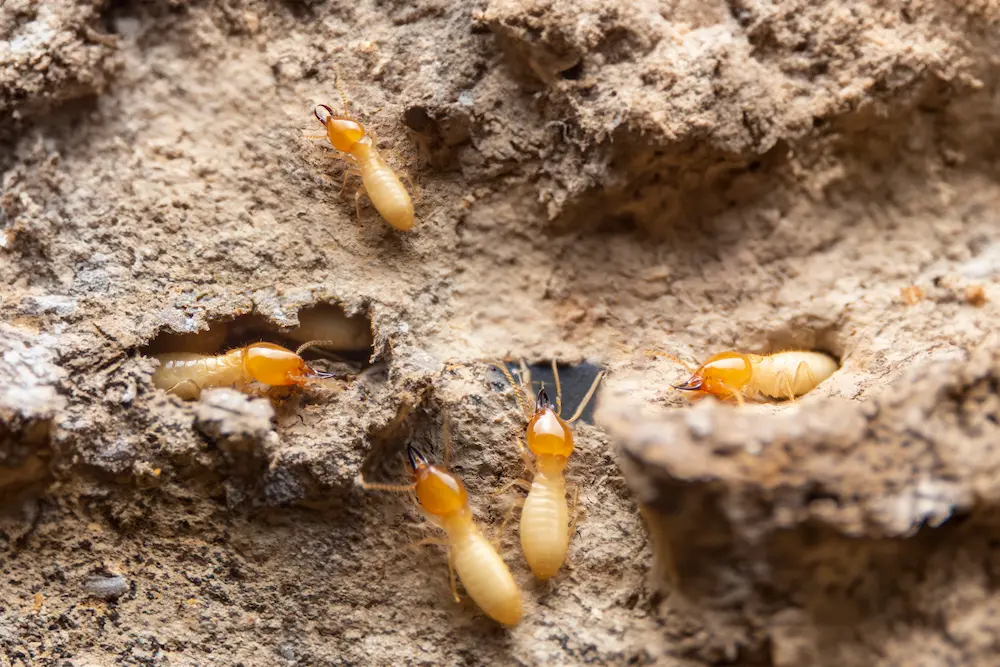
Rotting wood is not just a structural concern, it is also an invitation. Carpenter ants do not eat wood, but they love excavating damp or decaying areas. Certain termites also prefer wetter wood, and they can be hard to spot until damage is advanced.
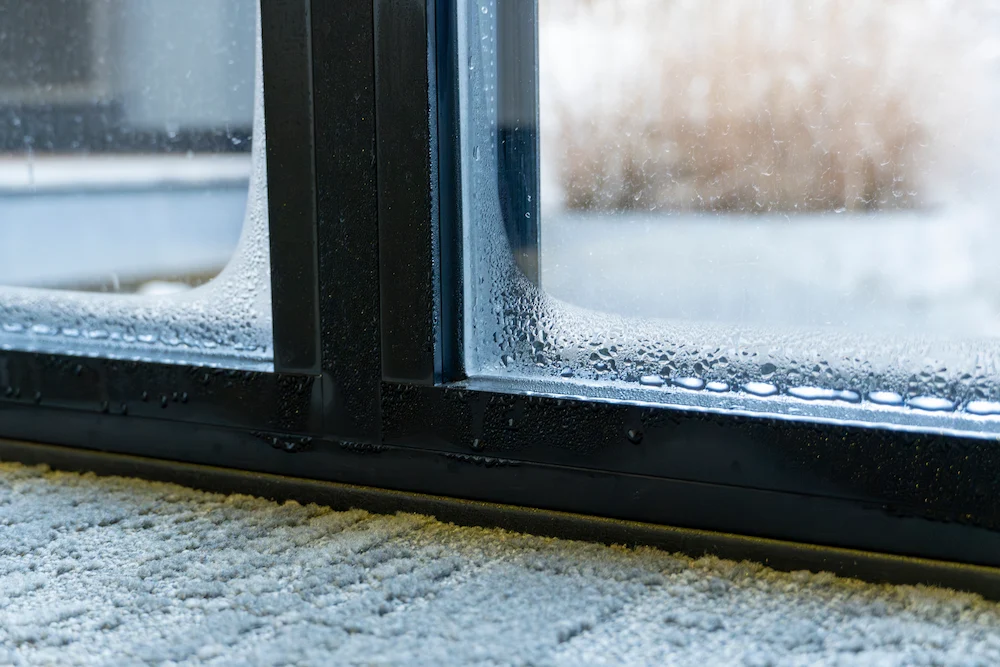
Indoor humidity matters too. High humidity can create condensation in wall voids, around vents, and under flooring. That can lead to leaks and humidity pest problems even if your roof and plumbing are mostly in good shape.
Pests That Love Damp Conditions
Different pests show up for different reasons, but moisture is a common thread across many Northwest infestations.
Carpenter Ants, Termites, and Wood-Associated Pests
Carpenter ants often start in a damp area like a leaking window frame, a wet sill plate, or an old stump near the house. From there, they can expand into wall voids and build satellite nests.
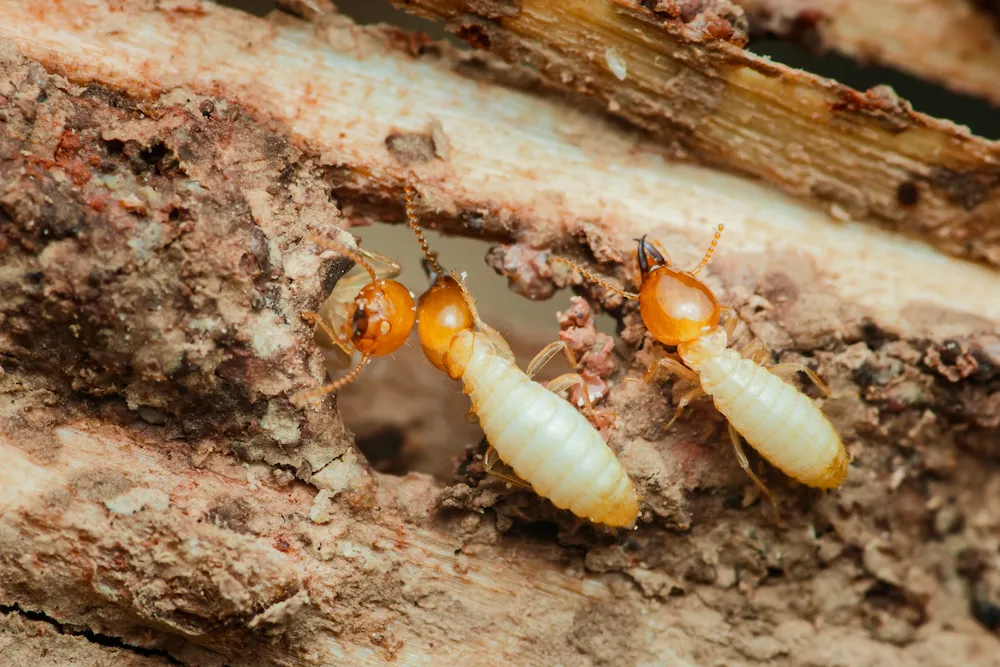
Termites are another concern. Some species prefer rotting or water-damaged wood, while others travel from soil to wood. Either way, persistent moisture around the foundation increases risk.
Silverfish and Other Humidity-Loving Invaders
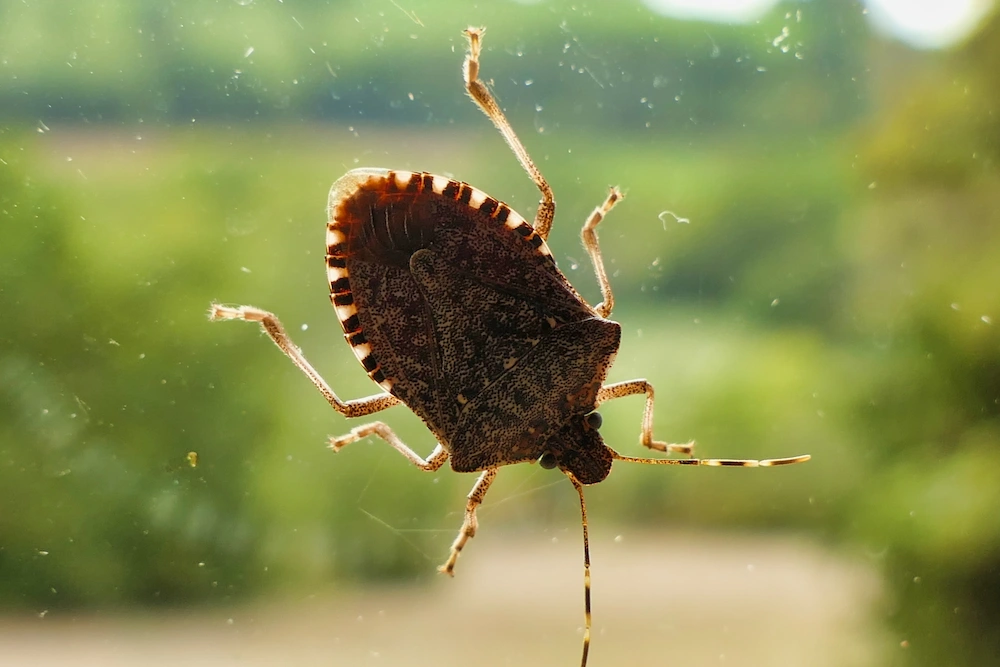
Silverfish prefer dark, humid areas such as bathrooms, laundry rooms, and basements. Cockroaches also need water, and they do best where condensation, drips, or wet clutter gives them steady access.
Rodents are part of the picture, too. Damp crawl spaces and leaking hose connections can provide a reliable drink, and compromised insulation creates protected travel routes.
Here are a few signs moisture may be feeding your pest activity:
- Musty odors or visible mildew in bathrooms, basements, or crawl spaces
- Bubbling paint, soft trim, or peeling caulk around windows and doors
- Condensation on pipes, windows, or HVAC components
- More pest sightings in the same damp rooms or along the foundation
Reducing Moisture to Keep Pests Out
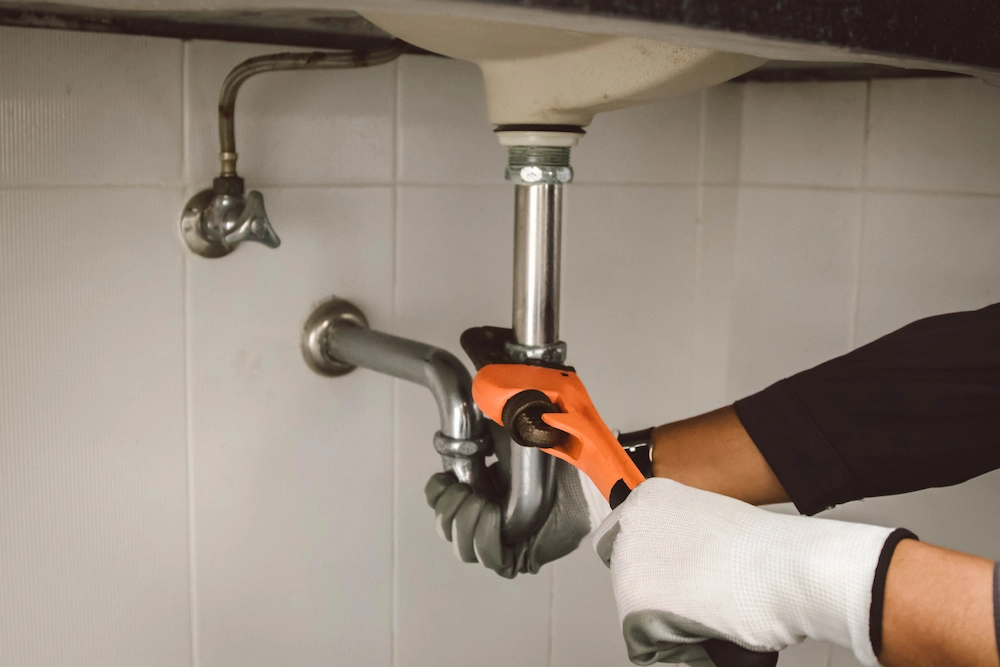
You do not have to do everything at once. Focus on removing water access, speeding up drying, and making the home harder to enter. That is the foundation of preventing pests caused by moisture.
Fix Leaks and Manage Indoor Humidity
Repair drips and replace worn supply lines. Use bathroom fans during and after showers, vent the dryer properly, and consider a dehumidifier in basements or laundry areas. Keep storage off the floor where possible so air can move around boxes and bins.
Improve Drainage and Keep Water Away From the Foundation
Clean gutters, extend downspouts so they discharge away from the house, and make sure soil slopes away from the structure. If sprinklers hit siding, adjust them so water stays on the lawn, not on the home.
Seal After You Dry Things Out
Once you reduce moisture, lock things down. Replace damaged weatherstripping, repair torn screens, and seal cracks around pipes and vents. If wood trim is rotted, replace it rather than sealing over it.
If you want a professional set of eyes on the big picture, Pointe can help identify where pests are entering and what conditions are keeping them around. Learn more about our approach here.
When to Call for Help
If you have chronic humidity, repeated leaks, or pests that return no matter what you do, it is worth getting an inspection. Professional technicians can spot activity in wall voids, crawl spaces, and other areas most homeowners do not check regularly.
If you are looking for pest control for moisture issues in Western Washington, our team can build a plan that targets both the pests and the conditions that support them. For homeowners in Thurston County, see local options here. Moisture is common in our region, but pests do not have to be. Address the water, seal the access points, and you will usually see a noticeable drop in activity. Contact us for a free quote on our reliable services and protect your home from these invasive pests!
Citations
The role of moisture control in attracting pests. (2021, October 21). Pest Control Technology. Retrieved February 12, 2026, from https://www.pctonline.com/article/the-role-of-moisture-control-in-attracting-pests/