
Summary: Bad weather does not automatically ruin pest control results. This guide explains how rain, wind, and winter conditions affect treatments and what pros do to keep service effective.
Bad weather has a way of making homeowners second-guess everything, including residential pest control services. If you have an appointment coming up, it is normal to wonder whether a treatment will still work when the forecast calls for rain, wind, or a cold snap.
At Pointe Pest Control, results come from smart placement, proper timing, and products that are designed to hold up once they have dried. In other words, pest control in bad weather can absolutely be effective when it is done correctly and when the service plan matches the conditions.
Why Weather Makes Pest Control Feel Uncertain

A lot of pest control happens on the exterior of the home, so it is easy to assume rain will wash everything away or cold will shut down results. The reality is more nuanced. Different pests respond to weather in different ways, and modern treatment strategies are designed with those patterns in mind.
Another reason the concern is so common is that pests move when the weather changes. Storms and temperature swings can push insects and rodents toward sheltered areas, including crawlspaces, garages, and wall voids. That movement can make it seem like the weather is causing treatment to fail, when it is actually increasing pest pressure.
Does Weather Affect Pest Control? Yes, But It’s Not Always Negative
To answer it plainly: does weather affect pest control? Yes, it can. Heavy rain, extreme wind, and freezing temperatures influence where pests hide and how technicians apply products. But the goal is not to fight the weather. The goal is to work with it.
A well-run service adjusts for conditions instead of guessing. That can mean choosing a different application method, focusing on protected areas, or scheduling the visit for a better window in the day. Most of the time, this is a minor tweak, not a cancellation.
Pest Treatments During Rain: What Happens When It’s Wet Outside

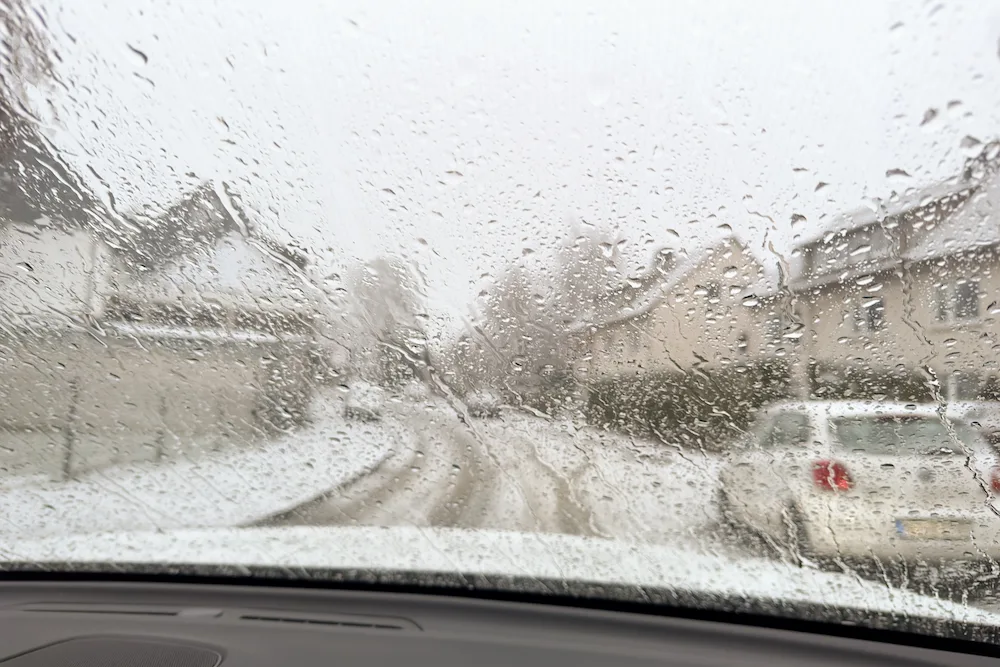
Rain is the number one reason people worry about outdoor service, and it is a fair question. The key detail is this: treatments are not typically applied like a quick mist across the entire yard. The most important placements are along entry points and other targeted areas where pests travel.
If you hear the phrase pest treatments during rain, think of it in practical terms. In light or typical PNW rain, technicians can still treat protected zones such as under eaves, around door thresholds, and along foundation edges that are not directly exposed. Once products have time to dry, normal rain storms are far less likely to interfere with results.
When Rain Can Cause a Reschedule
There are times when postponing is the right call. The issue is not that pest control stops working, but that certain conditions can reduce product performance or make safe application harder.
Your technician may recommend moving the appointment if:
- Rain is heavy enough to cause runoff or standing water around the foundation
- Strong wind is making it difficult to apply products accurately
- Lightning or severe storm warnings create safety risks
If a visit is rescheduled, it is usually to protect the quality of the service, not because pest control is pointless in wet weather.
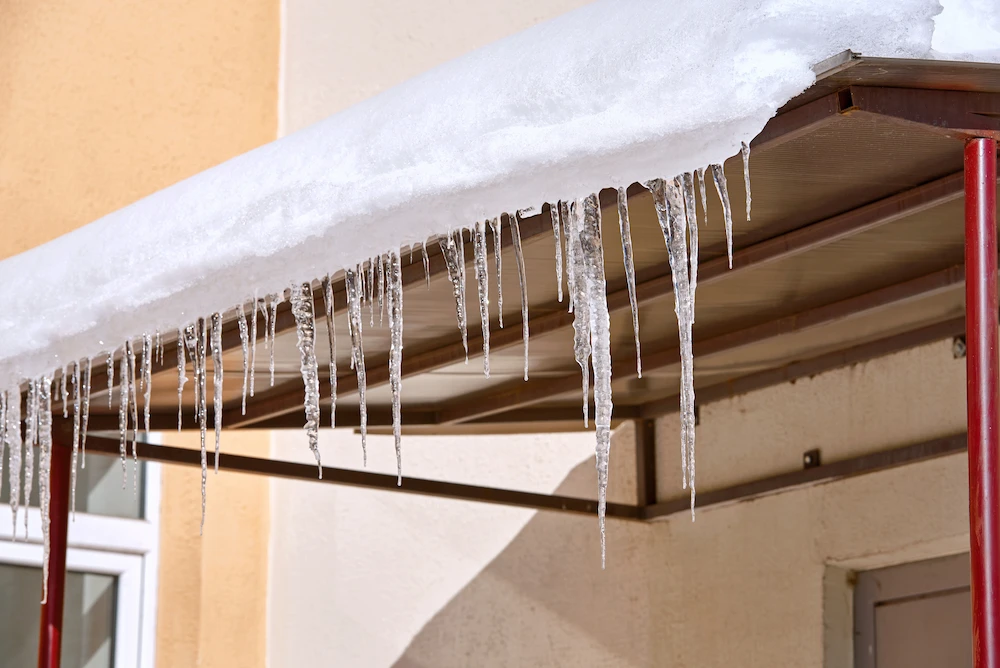
Pest Control Effectiveness in Winter: Why Cold Season Service Still Matters
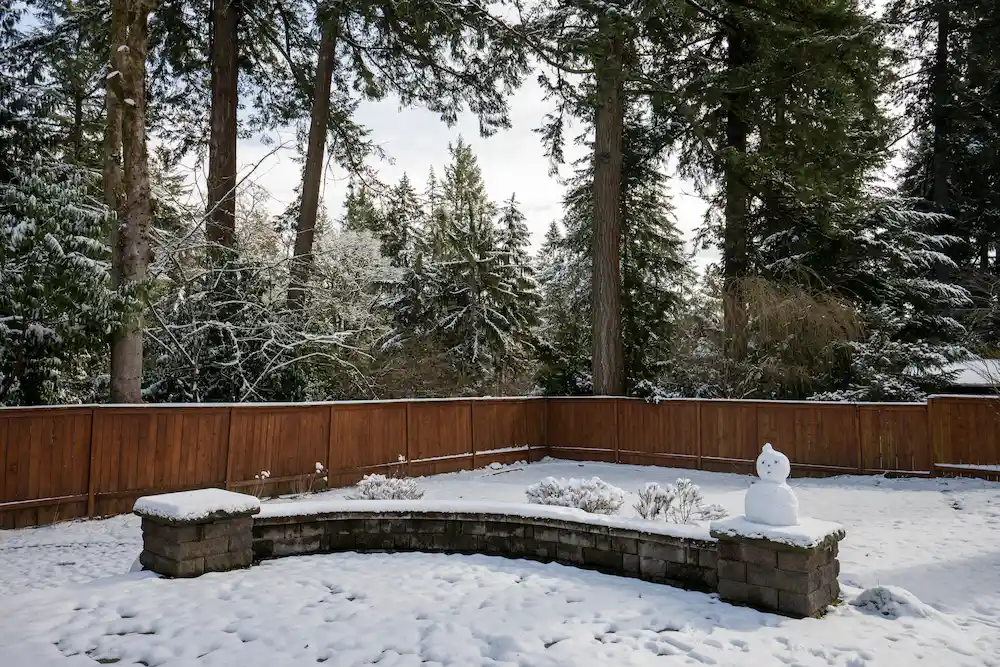
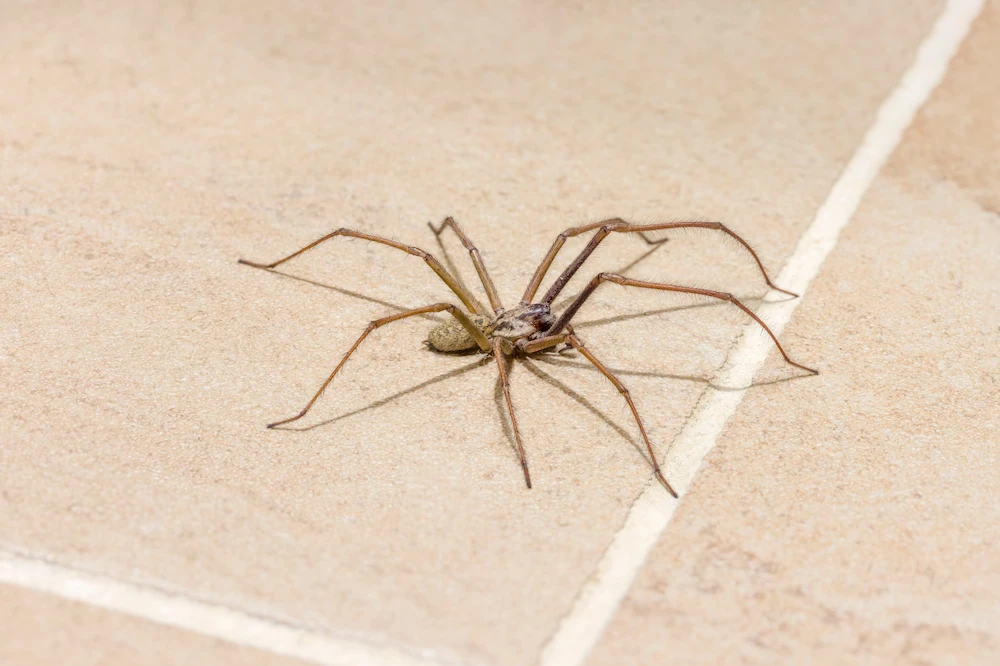
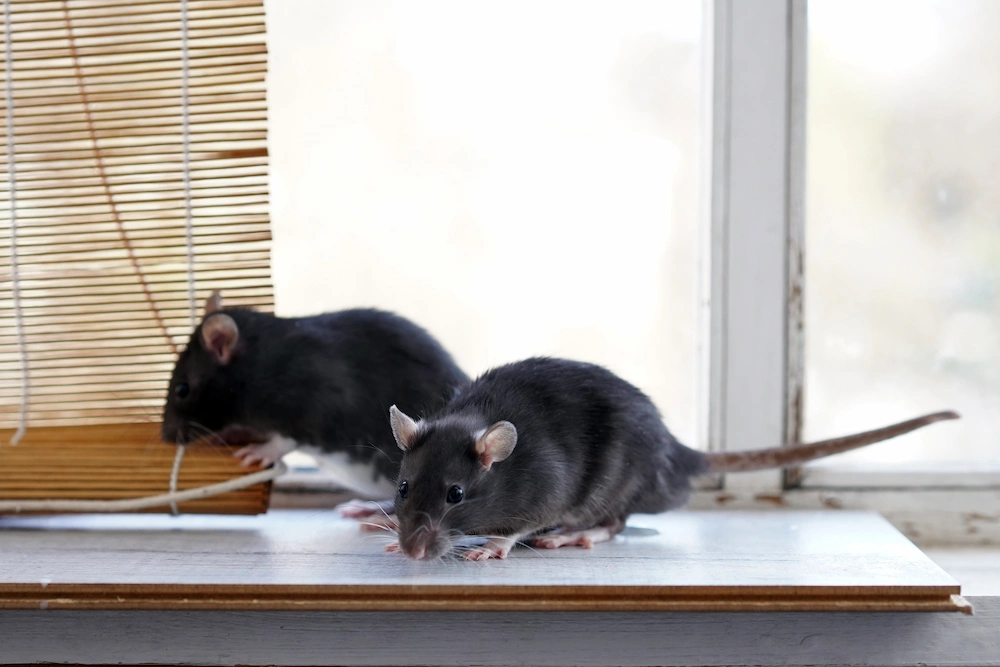
Winter can feel like the off season for bugs, but it is often prime time for indoor activity. Insects and spiders slow down outside, yet the warmth inside your walls can keep them moving. Rodents are also more motivated to find shelter and food when temperatures drop.
That is why pest control effectiveness in winter is less about seeing pests in the yard and more about preventing the quiet, hidden problems that build over time. Treatments focus on entry points, harborage areas, and interior zones where pests are most likely to settle.
Cold Weather Changes Pest Behavior, Not the Need for Protection
In colder months, pests cluster where conditions are stable. That might be an attic corner, a crawlspace, a utility room, or a warm wall void behind a kitchen. When you treat those patterns and seal up the access points, you reduce the chances of a winter infestation becoming a spring surprise.
If you are seeing activity when it is cold out, it often means pests are already established indoors. A winter visit can be the most efficient time to reset the situation and stop the cycle early.
Wind, Heat, and Sudden Weather Swings
Rain and cold get the spotlight, but wind can be just as important for treatment quality. On gusty days, accurate placement matters even more. A professional plan will focus on sheltered areas and avoid broad applications that could drift.
Heat and rapid temperature swings can also change pest pressure. Warm spells in late winter or early spring can wake insects up early. Sudden cold snaps can drive pests closer to the house. Those patterns are a big reason year-round service plans outperform one-time sprays.
How Professional Pest Control in Bad Weather Stays Reliable
The biggest difference between a DIY spray and a technician visit is strategy. Professional pest control in bad weather is not a single product. It is a combination of inspection, targeted placement, and follow-up based on what your home and your local conditions actually need.
Technicians also rely on weather resistant pest treatments that are designed to bond to surfaces once dry and remain effective where pests travel. The priority is protected placement in key zones so the treatment stays where it can do its job.
What Homeowners Can Do to Support Results Between Visits
Even the best service works better when the home is set up to be less inviting to pests. A few small habits go a long way, especially during stormy weeks.
Focus on the basics:
- Keep gutters flowing and route downspouts away from the foundation to limit excess moisture
- Seal obvious gaps around pipes, vents, and door thresholds
- Store firewood and clutter away from exterior walls
- Fix dripping spigots and slow leaks that create water sources
If you would like a tailored plan, start with a technician visit and ask for simple, realistic recommendations based on what they see during the inspection.
When to Call and What to Expect
If you are scheduling service during a stormy stretch, it helps to communicate what you are seeing. Mention whether pests are indoors, near doors and windows, or active in specific rooms. That context helps your technician prioritize the right areas even if the weather is not perfect.
If you are in the South Sound, you can also check local availability for pest control in Olympia and nearby areas. Service in active weather is common in the Pacific Northwest, and a good team will tell you honestly whether the conditions are suitable that day.
Final Takeaway
Bad weather does not automatically cancel out a pest control visit. The key is choosing a provider that understands local conditions, uses targeted applications, and adjusts the plan when the forecast is messy.
If you are ready to protect your home through every season, reach out to Pointe Pest Control for a quote and a service plan that fits your property and your schedule. A pest-free year is possible with Pointe!
Citations
The connection between weather and pest activity. (n.d.). Insight Pest Solutions. Retrieved January 12, 2026, from https://insightpestnorthwest.com/the-connection-between-weather-and-pest-activity/