

Summary: A practical guide to why roof rats are hard to spot, the damage they cause, and what to do when you suspect activity in your attic or roofline.
You can have a roof rat problem for weeks before you ever see one. By the time a homeowner hears scratching above the bedroom ceiling or notices a weird smell in the garage, the rats have often already mapped out the house and settled in.
That is why roof rat risks are not just about the rats themselves. The bigger issue is what happens while they stay hidden: contamination, property damage, and the stress of not knowing where they are traveling at night.
Why Roof Rats Tend to Go Unnoticed

Roof rats are climbers first and houseguests second. They prefer elevated, quiet places like attics, soffits, and wall voids, which means a lot of the activity is happening above your daily routine. If you are not in the attic often, it is easy to miss the first clues.
Another reason roof rats in homes can be hard to spot is that they are mostly active at night. They explore, forage, and move through their routes while everyone is asleep. In the morning, the house looks normal, even if a rat ran across rafters all night.
The “Silent” Stage of an Infestation
Early on, roof rats may be present in low numbers and focused on scouting. They will test entry points, look for food, and find nesting spots. If you have ever typed “signs of roof rat infestation” into a search bar, it is usually because you are in this phase and something feels off, but you cannot confirm it.
That uncertainty is common. The earliest clues are often subtle, and they can be confused with squirrels, birds, or even expansion noises from a house heating and cooling.
How Roof Rats Invade Houses in the Northwest
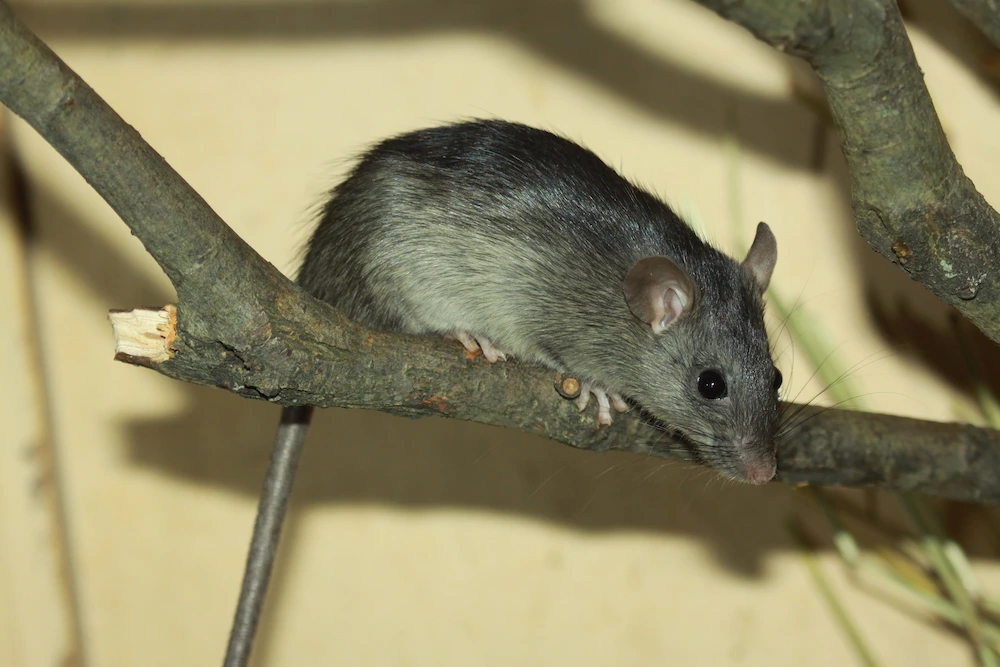
Roof rats do not need a wide-open door. They take advantage of gaps, worn materials, and anything that gives them a bridge to the roofline. Overhanging branches, trellises, and stacked items against the home can act like ladders. Once they are on the roof, they look for weak points: openings near vents, gaps around utility lines, and damaged or loose screens. A small opening can be enough for a determined rodent to squeeze through and reach the attic.
Entry Points Homeowners Commonly Miss
Many invasions start where you are least likely to look. Rooflines and upper exterior features are out of sight, so small defects stay unnoticed longer than a gap at ground level.
Here are a few common entry zones to check:
- Roof vents and attic vents with bent or missing screening
- Gaps at eaves, fascia boards, and soffits
- Openings around plumbing stacks, HVAC lines, or satellite wiring
If you are not sure where to start, professional inspections are designed to find those high, hidden access points and reduce the chances of repeat invasions.
The Damage You Do Not See First
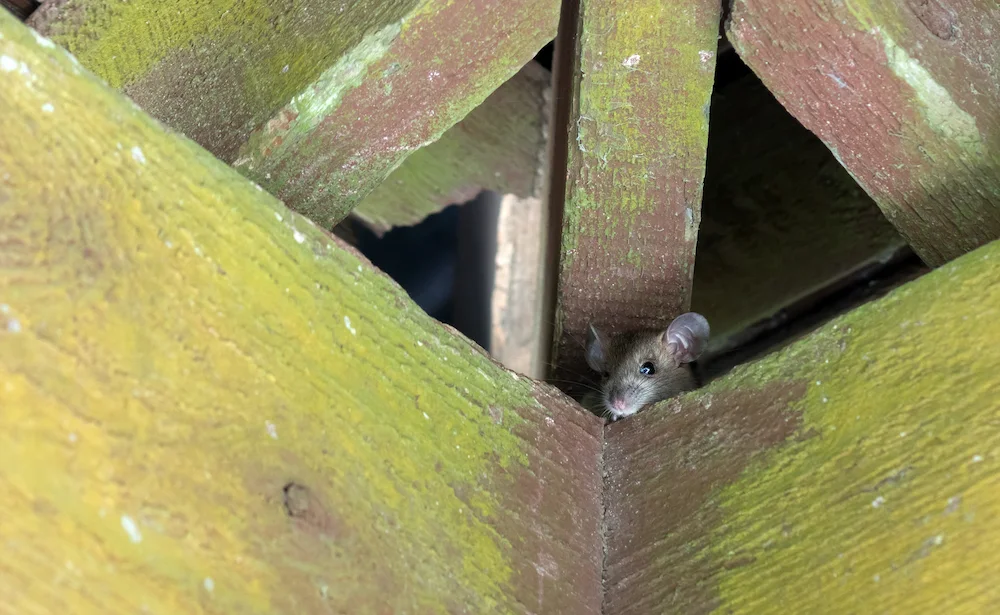
The most frustrating part of a roof rat problem is that the hidden roof rat damage can outpace the obvious signs. Rats chew constantly to keep their teeth in check, and they will gnaw on wood, stored items, and even wiring.
They also travel along the same routes, which means they can “wear in” paths through insulation and leave contamination in the same areas night after night. That can lead to odors, staining, and the kind of cleanup no one wants to deal with.
Roof Rat Risks that Go Beyond Inconvenience
A roof rat infestation can create several real problems for a household, including:
- Contamination from droppings and urine in attics, crawl spaces, and storage areas
- Chewed wiring or plastic components that can lead to expensive repairs
- Damaged insulation that reduces energy efficiency and increases drafts and moisture issues
- If you have kids, pets, or anyone with allergies in the home, the hygiene factor alone is a reason to take action sooner rather than later.
Signs You Might be Dealing with Roof Rats
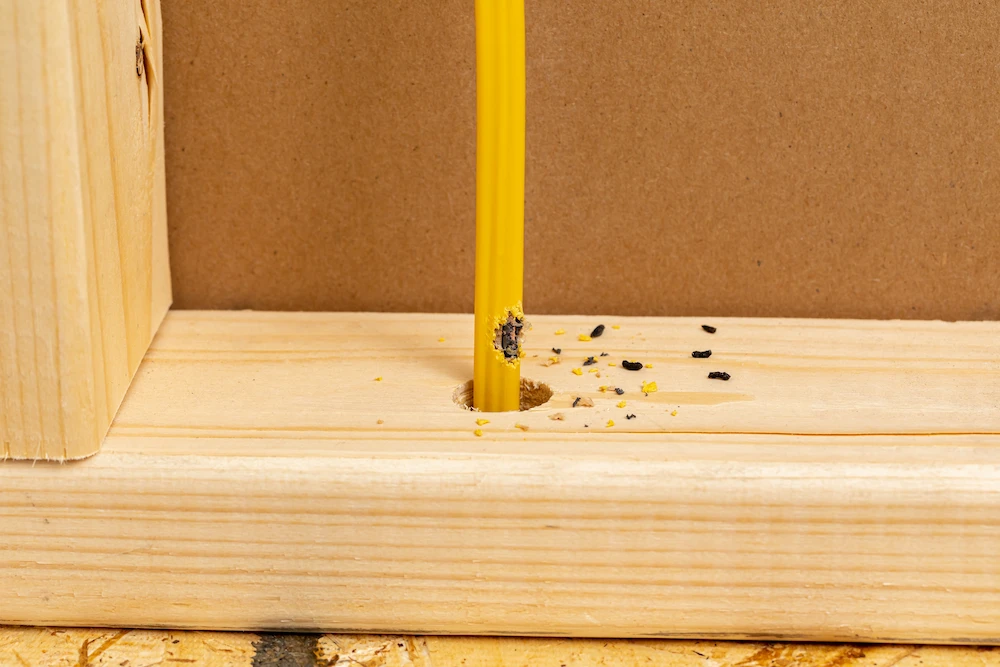
Homeowners often expect to see a rat to confirm an infestation. In reality, the early signs of roof rats are usually indirect. That is why it helps to pay attention to patterns instead of one-off events.
If you notice more than one of the issues below, it is a strong indicator that it is time for a closer look.
Signs to Watch for Indoors
- Scratching or scurrying sounds at night, especially above bedrooms or in walls
- Small, dark droppings in attics, garages, pantries, or near stored items
- Gnaw marks on cardboard, pet food bags, or plastic containers
- Rub marks or greasy smudges along beams, pipes, or edges
These signs of roof rat infestation can show up in places you rarely visit, like the top shelf of a garage, the attic access area, or a storage closet that has not been opened in weeks.
Outdoor Clues that Point to Activity
Roof rats are often feeding or traveling outside before they fully settle indoors. Look for fallen fruit, disturbed bird feeders, or chewed garden produce. If you have citrus trees, berry bushes, or compost, those can be strong attractants. If you suspect rats are using your roofline, trimming back branches and removing easy food sources is a good first step, but it usually will not solve the full problem without exclusion and trapping.
What to Do If You Suspect Roof Rats

If you think roof rats are present, your goal is to stop the activity quickly and prevent the next wave from following the same path. That starts with reducing food access and identifying where the rats are getting in.
For homeowners who want a professional solution, Pointe Pest Control offers targeted help through our Residential Rodent Control services, which focus on both removal and prevention.
A Practical Next-Step Checklist
- Move pet food into hard, sealed containers and clean up spilled kibble
- Keep garbage lids closed and avoid leaving food waste in open bins
- Trim branches back from the roofline and reduce climbable access points
- Avoid handling droppings without proper protection and cleanup steps
In many cases, the best long-term results come from pairing removal with exclusion work. Trapping without sealing entry points can leave the door open for the next rat to move in.
Local Help When You Need It
If you are in Thurston County and want a team that knows the local conditions, you can also explore rodent control in Olympia and nearby service areas. A local technician can spot the entry points that homeowners miss and help you build a prevention plan that fits your property.
Roof rat problems rarely improve on their own. The sooner you address the risks, the less time rats have to contaminate storage areas, damage insulation, or chew into the parts of your home you cannot see.
Conclusion: Catch Roof Rats Early, Protect Your Home Longer
Roof rats are skilled at staying out of sight, which is exactly why their presence can become a bigger problem than homeowners expect. From contamination to structural issues, the costs add up fastest when the infestation is allowed to grow quietly.
If you think you are seeing early signs of roof rats, it is worth getting a professional inspection and a plan that includes both removal and exclusion. The goal is simple: stop the activity now and make your home much harder to invade next season. Avoid the roof rat risks and contact us for a free quote on our reliable services today!
Citations
Roof rats. (n.d.). Pest World. Retrieved January 8, 2026, from https://www.pestworld.org/pest-guide/rodents/roof-rats/