
Summary: Spiders hide in quiet, dark, low-traffic areas where insects are active. This post covers 10 common hiding spots and simple steps to reduce spider activity indoors.
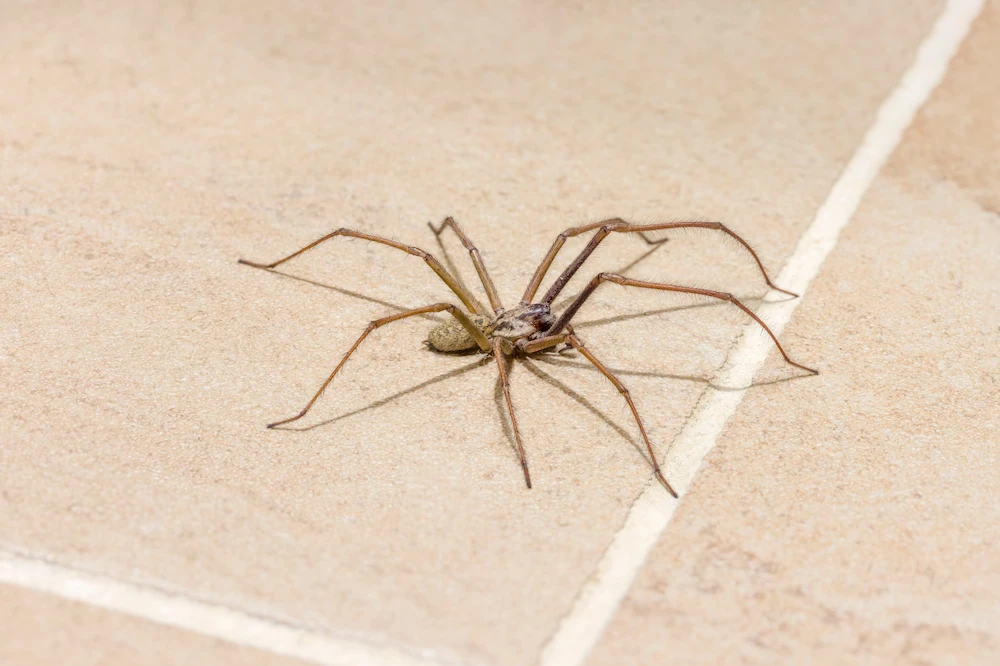
If you keep spotting a spider in the same room (or walking into a surprise web), it usually is not random. Spiders follow two things: food and shelter. Once they find a quiet spot with steady insect activity, they tend to stay close. In this guide, we will cover where spiders hide in homes, the most common indoor “safe zones,” and what you can do to make those areas less inviting without turning your house upside down.
What Spiders are Looking for Indoors
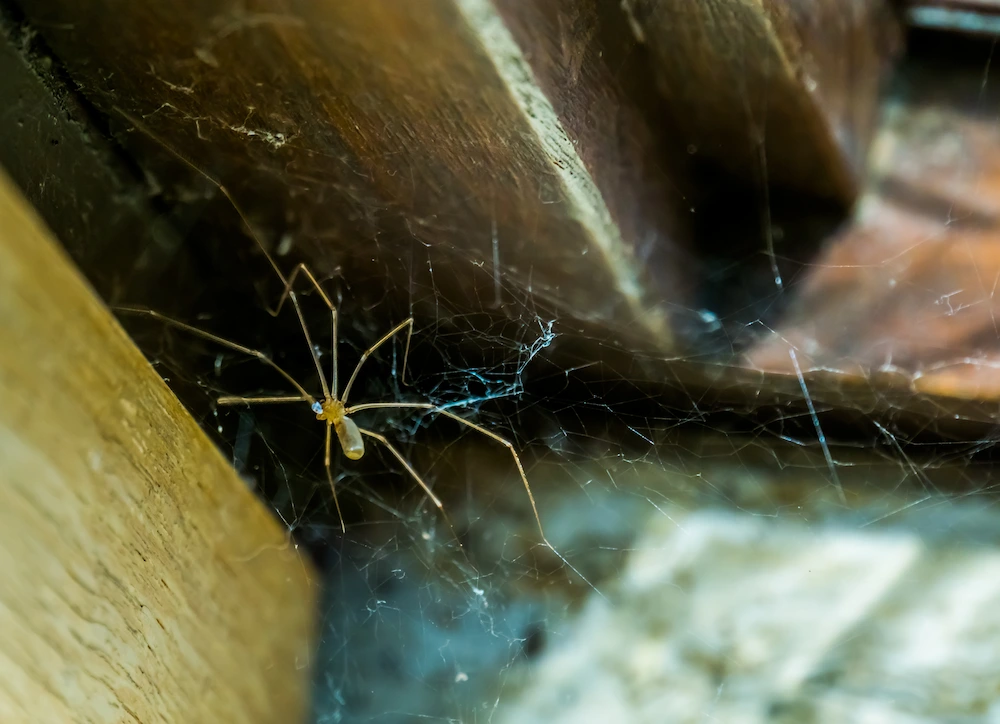
Most spiders would rather avoid people. Indoors, they pick places that are dark, still, and protected from airflow and foot traffic. Those conditions help them stay hidden while they wait for prey to wander past.
Spiders also prefer areas that give them structure. Corners, seams, and gaps create natural anchor points for webs, egg sacs, and quick retreats. The more clutter and the fewer disturbances, the better.
10 Household Spots Spiders Love to Hide
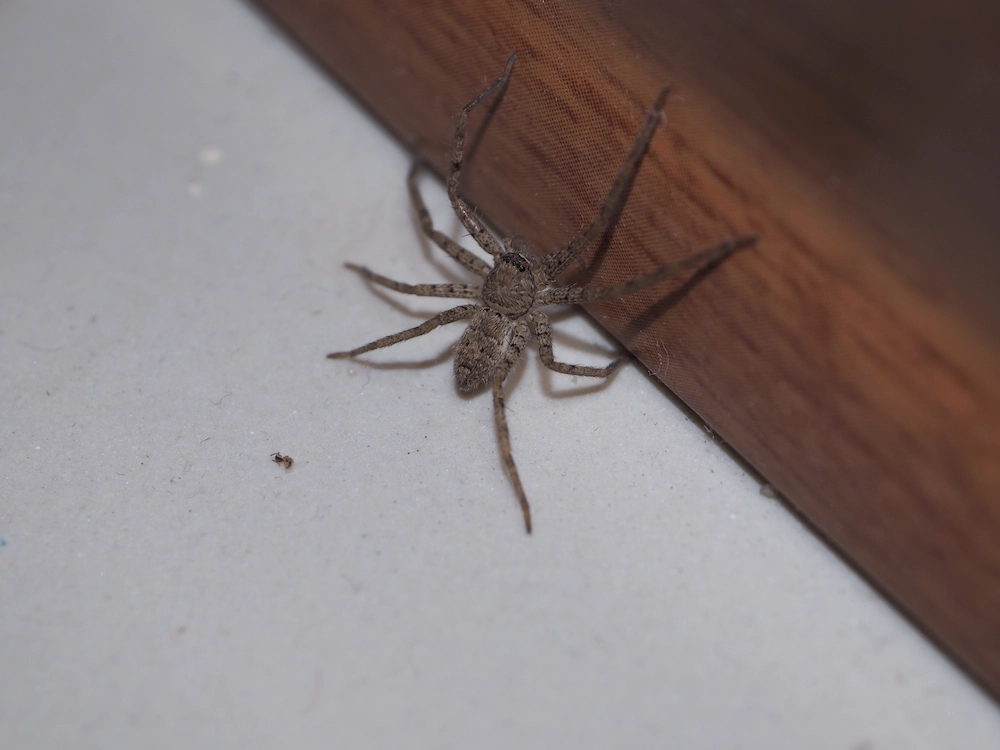
The list below includes common spider hiding spots that show up again and again during home inspections. If you are trying to figure out what is drawing them in, these are your first places to check.
1) Inside cabinets and under sinks
Kitchens and bathrooms have warmth, humidity, and lots of tucked-away space. Spiders in cabinets often hang out in back corners where crumbs, moisture, or other pests are present.
Under-sink cabinets are especially attractive because plumbing penetrations create gaps. These areas also stay darker and quieter than the rest of the room, even in busy homes.
2) Behind furniture along baseboards
Couches, headboards, bookshelves, and entertainment centers create a protected “lane” that people rarely vacuum. Spiders behind furniture can stay close to baseboards where insects travel.
If you only move furniture for deep cleaning, those gaps can stay undisturbed for months. That is plenty of time for webs to build up and for small pests to become a food source.
3) In closets and storage piles
Closets often have cardboard, fabric, and plenty of corners. Clothing piles, shoes, and stored items create endless hiding points and web anchors.
If a closet is also near a garage entry, crawl space door, or attic access, it can become an easy stopover location for spiders moving indoors.
4) In garages, especially near door edges
Garages are a spider favorite because they tend to be cluttered and full of insect activity. The gaps around roll-up doors also let in both pests and their prey.
Boxes stored along the wall and items on the floor create protected edges. If you are seeing webbing near the garage door tracks, that is a strong clue spiders are using the area as a hunting zone.
5) In basements and crawl spaces
Lower levels stay cooler, darker, and often more humid. That combination is perfect for spiders and the insects that also like those conditions.
Crawl spaces also have joists and utility lines that create a “web-ready” structure. If your crawl space has moisture issues, it can turn into one of the most active indoor spider areas in the home.
6) In attics and around stored holiday items
Attics are quiet, warm in summer, and full of rafters. Spiders can settle into corners that are rarely disturbed.
Stored seasonal bins and decorations add even more shelter. If you only open those containers once or twice a year, spiders have long stretches of time to stay put.
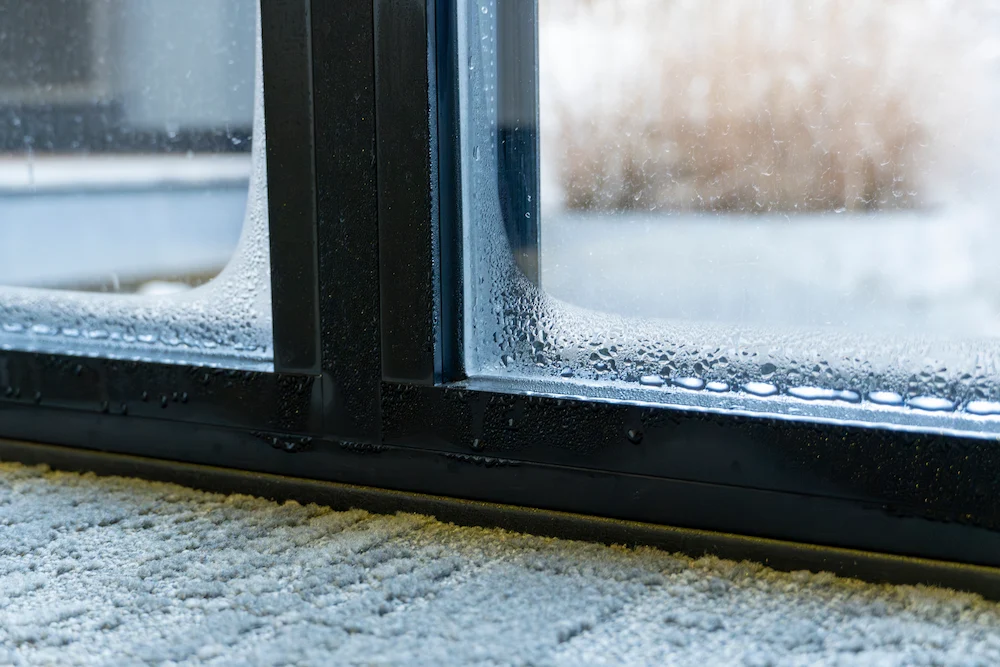
7) Around windows, screens, and window wells
Windows attract insects at night, especially when interior lights are on. Spiders often build near frames, sills, and the corners of screens where bugs gather.
Window wells can also be a problem. Leaves, soil, and moisture create a mini habitat that supports insects, which then supports spiders.
8) Near exterior doors, thresholds, and entry cracks
Spiders do not need a wide opening. Small gaps around door sweeps, weatherstripping, and thresholds can give them access.
If you notice webs repeatedly in the same door corner, it is usually because that spot stays undisturbed and insects are passing through nearby.
9) Behind appliances and in utility areas
Refrigerators, washers, dryers, water heaters, and furnace closets often have heat, lint, and hidden corners. Those spaces are also easy to forget during regular cleaning.
Utility areas may have floor drains, wall penetrations, and pipe openings. Those small gaps can act like highways for insects and for spiders following their food source.
10) In low-traffic corners, especially in spare rooms
Spiders thrive in rooms that do not get used every day. Guest rooms, home offices, and bonus rooms can stay quiet for long periods, which makes them ideal.
If you are wondering about places spiders hide indoors, start by checking corners near windows and baseboards in any room that rarely gets vacuumed or dusted.
How to Make These Spots Less Attractive
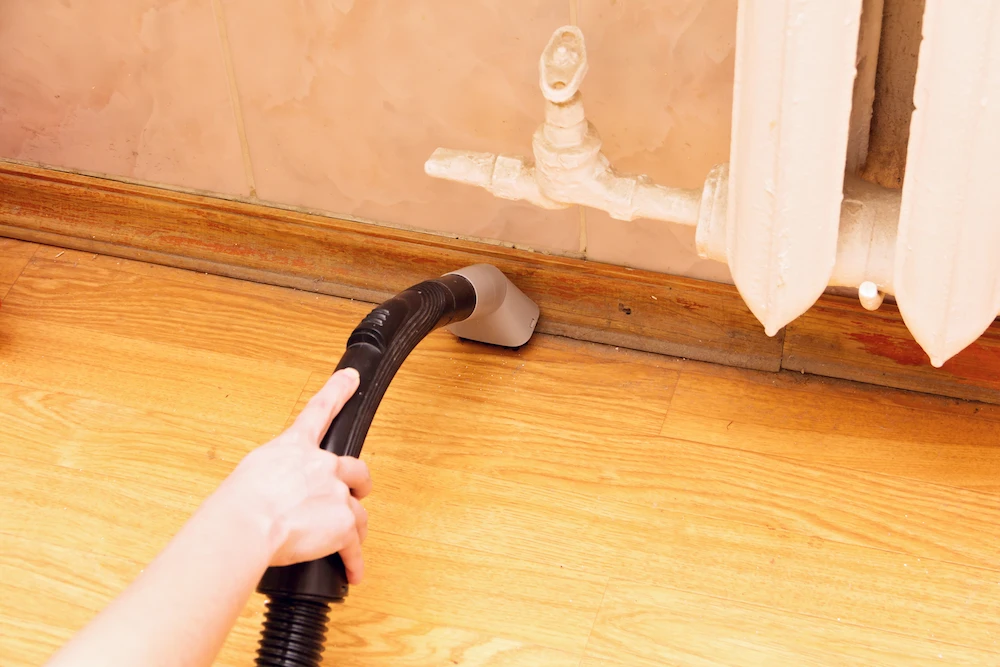
Spiders move in when your home offers shelter and steady meals. The fastest way to reduce spiders is to reduce the insects they feed on, then remove hiding spaces and web-building structure.
Here are a few practical steps that help prevent spiders inside the house without adding a ton of work:
- Vacuum baseboards, corners, and behind furniture regularly.
- Reduce clutter in closets, garages, and storage rooms.
- Seal gaps around pipes, door thresholds, and window frames.
- Replace torn screens and worn weatherstripping.
- Keep outdoor lights off when you can, or switch to less-bug-attracting bulbs.
If you are dealing with recurring activity, professional help can speed things up. Pointe offers residential spider control that focuses on inspection, targeted treatment, and prevention steps that fit your home.
When to Call a Professional
One spider does not always mean an infestation, but patterns matter. If you are seeing frequent webs in the same areas, spiders in multiple rooms, or spider activity paired with other pests, it is worth getting an expert set of eyes on the situation. We take care of spiders so you don’t have to!
A trained technician can identify entry points, moisture issues, and the likely food sources that are supporting spider activity. In places like the Pacific Northwest, conditions around the home can change quickly with the season, which is why ongoing prevention often beats one-time fixes.If you are in the South Sound, your local pest control team in Olympia can help you pinpoint the root cause and build a plan that keeps spiders from reclaiming the quiet corners of your home.
Citations
Where do spiders hide in your house?. (n.d.). BigBugs.com. Retrieved January 19, 2026, from https://bigbugs.com/where-do-spiders-hide-in-your-house/