

Summary: This post explains why winter ant activity can feel worse indoors, what attracts ants in cold months, and how to prevent recurring trails with practical home steps and professional support.
On paper, winter should be the “quiet season” for bugs. Outside, it’s cold, wet, and (in many parts of the Pacific Northwest) downright unfriendly to insects.
Yet homeowners still call us in January asking the same thing: why ant problems are worse in winter. If you’re seeing small trails near the sink, a sudden cluster in the pantry, or mystery ants in the bathroom, you’re not imagining it. Winter changes how ants behave, and it also changes how your home looks to them.
Winter Does Not Stop Ants, It Changes Their Strategy
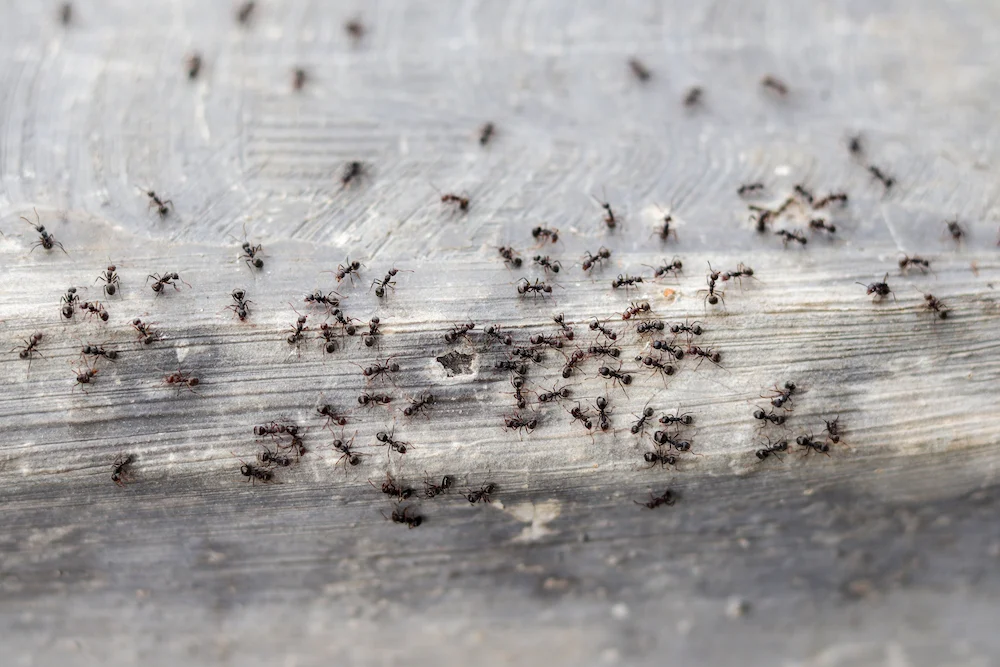
Ants are cold-blooded, so their activity slows as temperatures drop. Many species go into a lower-energy mode where they stay closer to the nest and conserve resources. That’s why you may see fewer ants outside once nights get consistently chilly.
But “slower” is not the same as “gone.” In winter, colonies still need stable shelter, access to moisture, and enough food to keep the queen and brood alive. If outdoor conditions become unreliable, ants shift their foraging and nesting choices toward places that stay warm and steady.
In other words, winter ant infestations often feel worse because the ants are concentrating their effort. They’re not roaming as far outdoors. They’re looking for the best protected microclimate they can find, and your house is built to provide exactly that.
Warm Houses Attract Ants for Simple, Practical Reasons
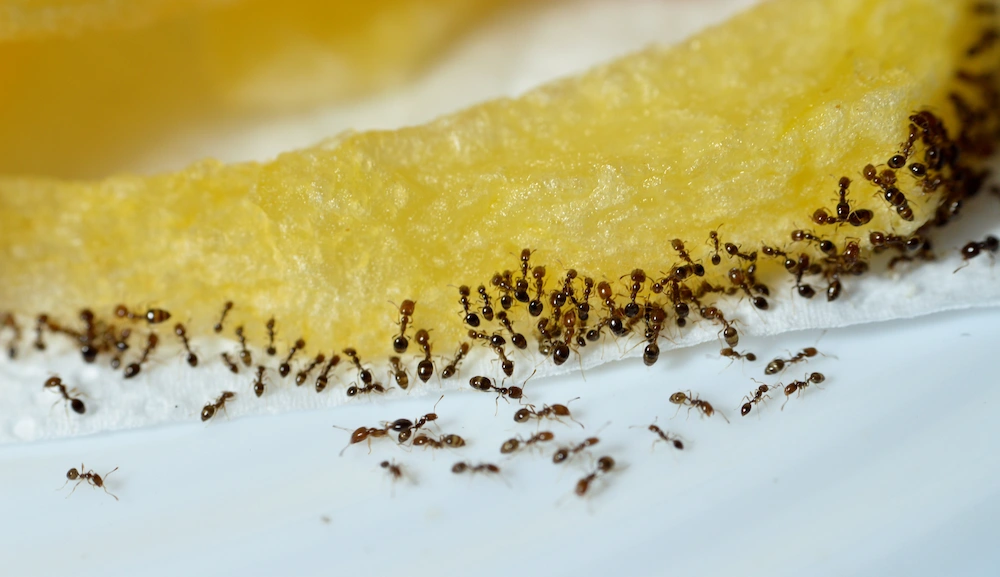
Your home is basically a climate-controlled cave: consistent temperature, protected from wind and rain, and full of hidden voids. When outdoor soil temperatures dip and surfaces freeze overnight, warm homes attract ants that can tuck into wall voids, crawlspaces, and insulation without fighting the elements.
Heating also creates subtle airflow patterns. Warm air rises, pulling cooler air from lower levels and through gaps around doors, plumbing penetrations, and foundations. Ants follow these routes because they’re the same places moisture, food smells, and easy access tend to collect.
That’s why ants in the house during winter are often spotted in a few predictable “hot spots,” even if you keep a clean home. It’s not just about crumbs. It’s about comfort and survival.
The Winter Menu is Smaller, So Your Food Looks Bigger
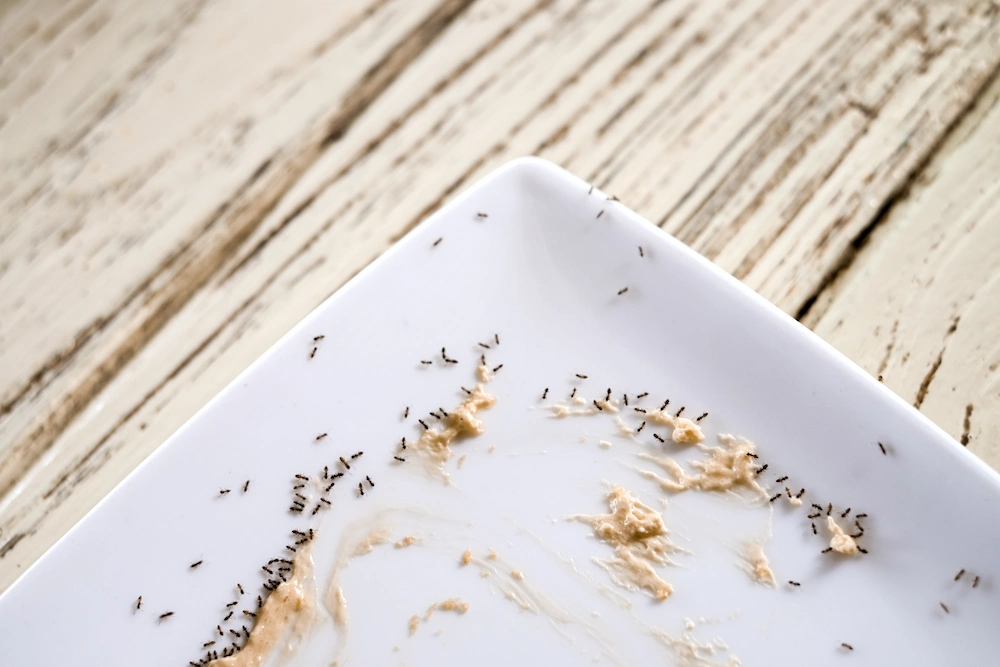
In summer, ants can feed from plant sugars, honeydew from aphids, and plenty of outdoor sources. In winter, those options shrink fast. If the colony can find a dependable indoor source, it becomes worth the trip, even if the trail is longer and the risk is higher.
Inside, ants have an easier time locating what they need because kitchens and pantries concentrate scent. Sugary spills, pet bowls, recycling bins, and even the sticky residue on a cooking oil bottle can become a target. Ants use scent trails to recruit more workers, which is why a tiny discovery can turn into a trail that feels like it appeared overnight.
Some species also switch preferences based on the colony’s needs. When they’re supporting brood, they may look harder for protein and fats. When the colony needs quick energy, they may zero in on sweets. That shifting appetite is one reason ant problems in cold weather can feel unpredictable.
How Ants Get In, Even When You Think Everything is Sealed
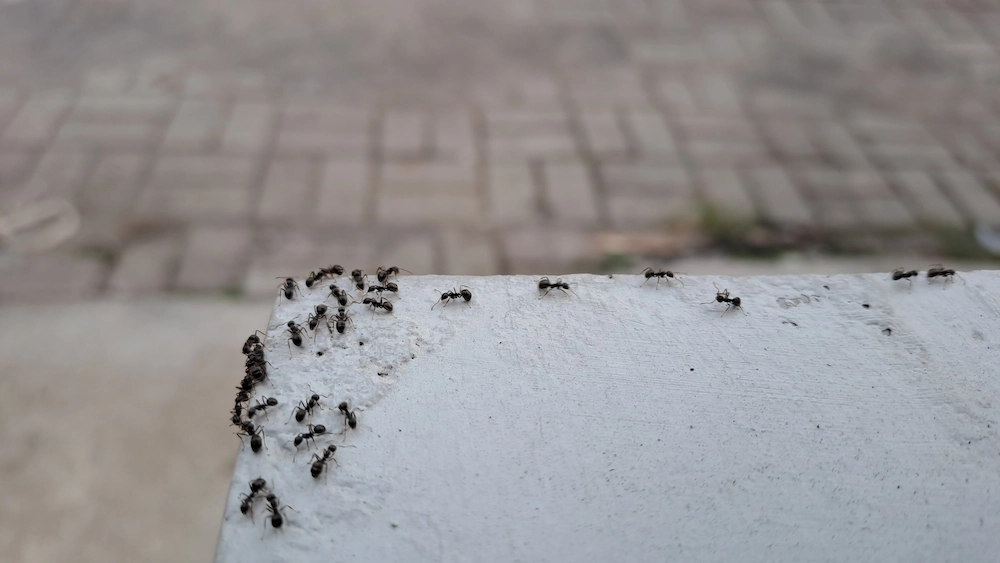
Ants don’t need a big opening. Many common species can exploit gaps as thin as a credit card edge, and they’ll use the same routes other pests use: utility lines, weatherstripping that’s aged, and tiny cracks where materials meet.
Winter weather can actually create new entry points. Homes expand and contract as temperatures fluctuate, and wet seasons can shift soil and hardscape. A hairline crack along the foundation or a small gap where a pipe enters the wall can become a new highway.
Here are a few winter-friendly access points we see again and again in the Pacific Northwest:
- Around plumbing lines under sinks and behind toilets
- Gaps at exterior door thresholds and worn door sweeps
- Cracks in foundation corners and along sill plates
- Openings around vents, cable lines, and HVAC penetrations
- Spaces where siding meets trim or where flashing has pulled away
Finding these routes matters because it explains why a bait on the counter sometimes “works” for a week and then the ants come back. If the colony is nesting inside a wall void, they can keep exploring until they find another path to the same resources.
What You Can Do Right Now to Make Your Home Less Attractive
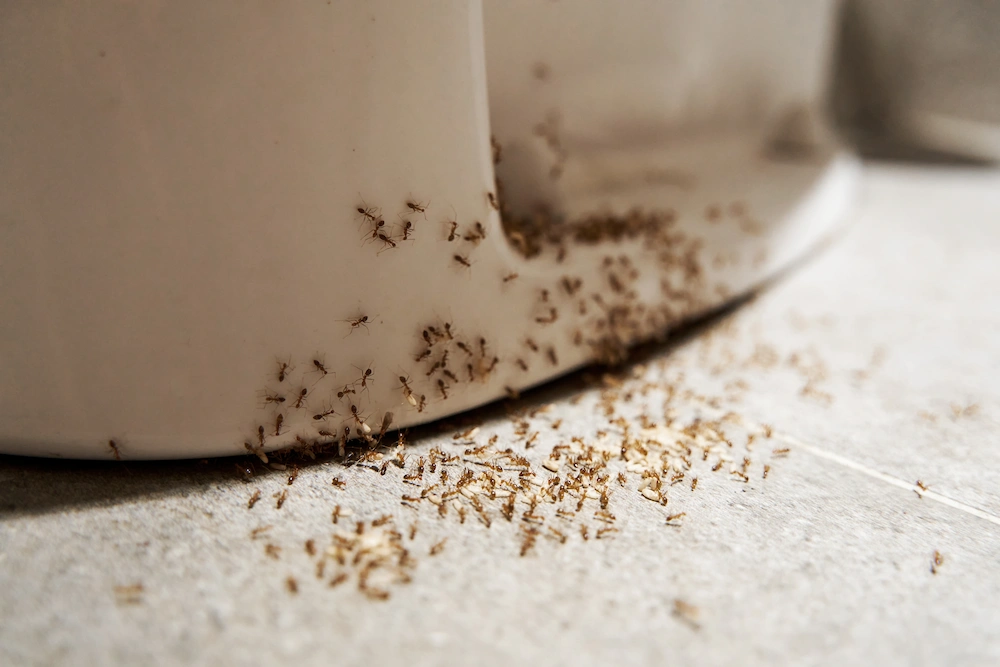
Winter ant control is most successful when you remove the reasons ants keep returning. You don’t need to obsess over perfect cleanliness, but you do need to eliminate the easy wins that keep trails active.
Start with moisture. In the PNW, winter humidity and indoor condensation are a big deal. Ants are drawn to water sources, especially in bathrooms, laundry rooms, and under-kitchen plumbing. Fix small drips, wipe up standing water, and keep the area under sinks as dry as possible.
Then tighten up food storage. Store pantry staples in sealed containers, rinse recyclables, and avoid leaving pet food out overnight if you’re actively seeing trails. A quick nightly wipe of counters and the floor edge near cabinets can make a noticeable difference within a few days.
Two focused habits usually do the most work:
- Keep sinks dry overnight and address slow leaks early
- Reduce scent: seal food, empty trash regularly, and rinse bottles and cans before recycling
DIY sprays can feel satisfying, but they often scatter ants and push them deeper into wall voids. If you use anything, use it sparingly and avoid spraying directly on a trail that leads into a crack. The goal is to solve the colony problem, not just the ants you can see.
When Winter Ant Infestations Need a Professional Approach
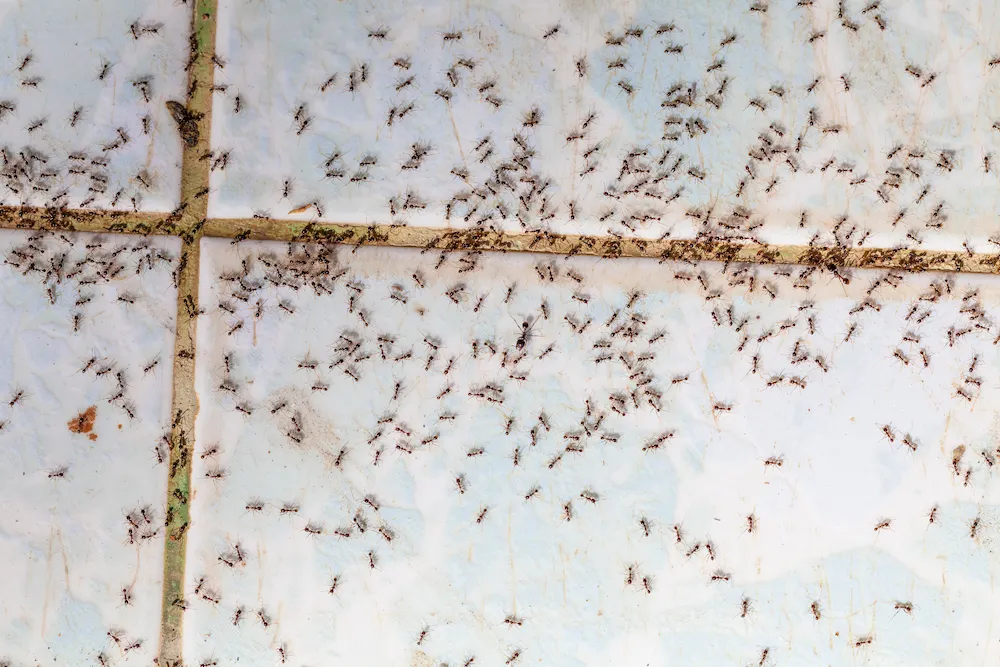
If you’re seeing repeated trails in the same spot, ants emerging from baseboards, or activity that returns after you clean, there’s a good chance the colony is established in a protected void or nearby exterior structure. That’s especially common with carpenter ants, which can nest in damp wood and expand into structural areas over time.
Professional treatment isn’t about “stronger chemicals.” It’s about correct identification, understanding the colony’s behavior, and using targeted products and placement that address the root. The wrong over-the-counter product can cause budding in some species, splitting the colony and creating multiple satellite nests.
If you’re in Thurston County, getting help early is the easiest way to stop a small problem from turning into a seasonal routine. Learn more about ant control in Olympia and the surrounding area.
For homeowners who want to understand the difference between common invaders, our pest library is a useful starting point. For example, carpenter ants behave very differently than pavement ants, and the right plan depends on the species. See our carpenter ant overview.
The Bottom Line: Winter Makes Your Home the Best Option
To answer why ants come inside in winter, it helps to think like an ant colony trying to survive. Outside becomes unstable. Food sources shrink. Moisture moves. The colony wants a place that’s warm, protected, and predictable.
Your home checks every box. That’s why winter can feel like the moment ants “suddenly” start showing up, even if the colony has been nearby for months. The good news is that winter also makes trails more predictable, which can make prevention and treatment more straightforward when you tackle the right causes.
If you’re tired of playing whack-a-mole with trails, Pointe Pest Control can help you get ahead of the problem with a plan that fits your home and your season. Contact us for a free quote on our reliable ant control services!
Citations
Where do ants go in the winter?. (n.d.). Terro. Retrieved December 22, 2025, from https://www.terro.com/articles/where-have-all-the-ants-gone?srsltid=AfmBOopYMTyOpusYMMizJ3-dYVzgq4at9suBM60jCBqR0neFm83PLV9G