
Summary: Wasps have plenty of frightening myths surrounding their behavior. This guide separates fact from fiction, explaining why wasps sting, what attracts them, how nests are defended, and when homeowners should be concerned about wasp activity.
Wasps have a reputation problem. Mention one at a backyard barbecue and suddenly everyone is watching their soda cans, checking under the table, and wondering whether that yellow-and-black visitor has personally chosen them as its next target.
Some caution around wasps is smart, especially when a nest is nearby. But plenty of what people believe about these insects is exaggerated or simply incorrect. Busting a few common wasp myths can help you understand when a wasp is simply passing through and when its behavior actually deserves attention.
Myth #1: Wasps Hunt and Chase People for No Reason
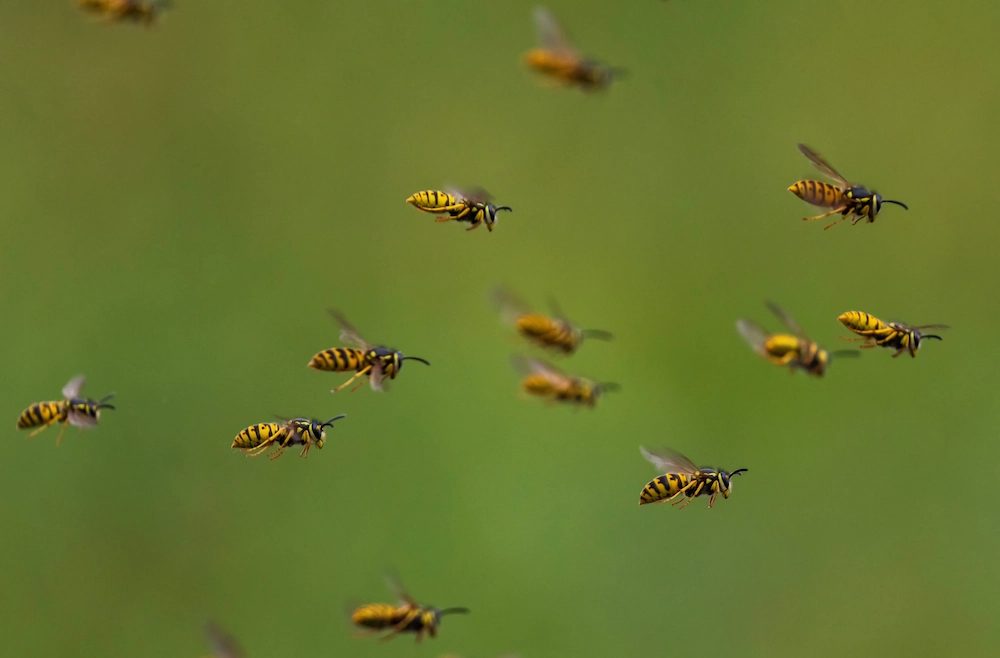
Do Wasps Chase People?
It can certainly feel personal when a wasp follows you across the patio, but wasps do not spend their days searching for humans to attack. Their normal activities revolve around finding food, gathering resources, caring for the colony, and defending their nest.
So, do wasps chase people? A wasp may pursue someone when it perceives a threat, particularly near a nest. Social wasps can defend their colonies aggressively, and disturbing a nest can trigger defensive behavior from multiple workers.
Swatting at a wasp can also make the situation worse. Fast movements and attempts to crush the insect can be interpreted as threats. If a wasp is investigating your food or drink, calmly moving away is usually a better choice than turning the interaction into a miniature battle.
Nest Defense Changes Everything
A single wasp searching around your picnic table is a very different situation from a group of wasps repeatedly flying into and out of the same hole in the ground, wall, or roofline. Consistent traffic in one location can indicate a nearby nest.
Wasps are protective of their colonies. If you discover a nest near a doorway, deck, playground, or another high-traffic location, give it plenty of space. Trying to knock it down or spray it at close range can provoke defensive activity.
Pointe Pest Control recommends professional help for active nests because attempting removal yourself can be risky. Our residential wasp control services are designed to address wasp problems around homes without homeowners having to approach a defensive colony.
Myth #2: Wasps Only Live Near Flowers
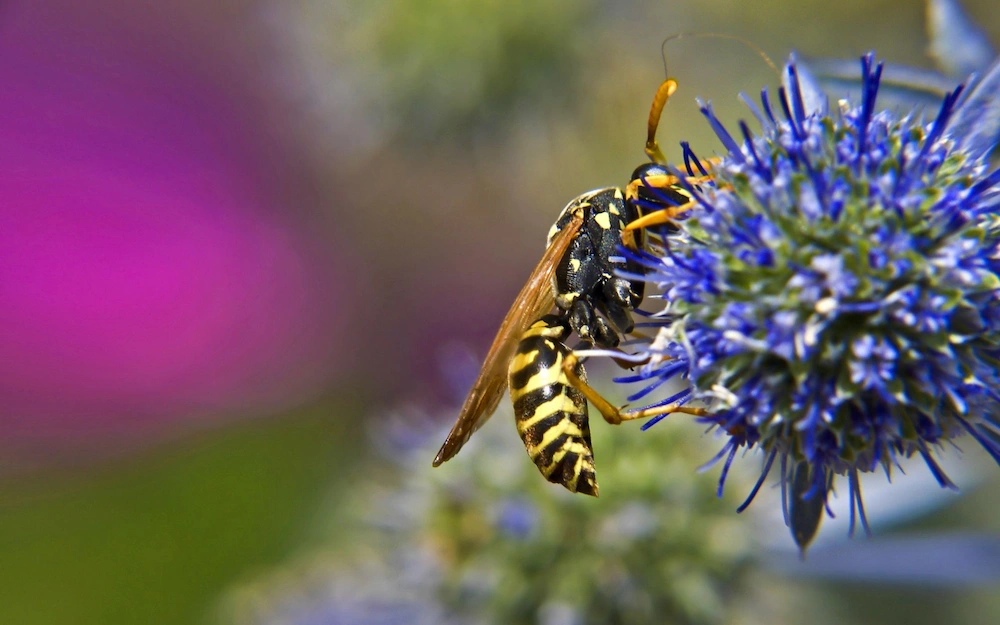
Are Wasps Only Attracted to Flowers?
Flowers certainly attract some wasps because adults may feed on nectar. But the idea that wasps only spend their time buzzing between flower beds misses a huge part of their lifestyle.
If you’re wondering, are wasps only attracted to flowers, take a look at what else is happening in your yard. Many wasps prey on other insects, and social species gather protein to feed developing larvae. A yard with abundant insect activity can therefore provide an appealing hunting ground.
Their interest in food also changes throughout the season. Sweet drinks, ripe fruit, meat, garbage, and leftovers from outdoor meals can all bring certain wasps closer to patios and gathering spaces.
Your Barbecue Can Be More Interesting Than Your Garden
That explains why wasps have such a talent for appearing right after the food comes outside. Open soda cans, juice, fruit, desserts, grilled meat, and overflowing garbage cans can provide exactly the resources they are searching for.
In the Pacific Northwest, wasp activity becomes particularly noticeable during the warmer months. Pointe’s summer pest guidance notes that stinging insects spend the season expanding nests and foraging for food, with behavior changing as available food becomes scarcer later in the season.
Cover food when possible, clean spills quickly, and keep outdoor garbage cans tightly closed. These simple habits will not eliminate every wasp from your property, but they can make patios and dining areas less rewarding places to investigate.
Myth #3: Wasps Sting Because They’re Mean
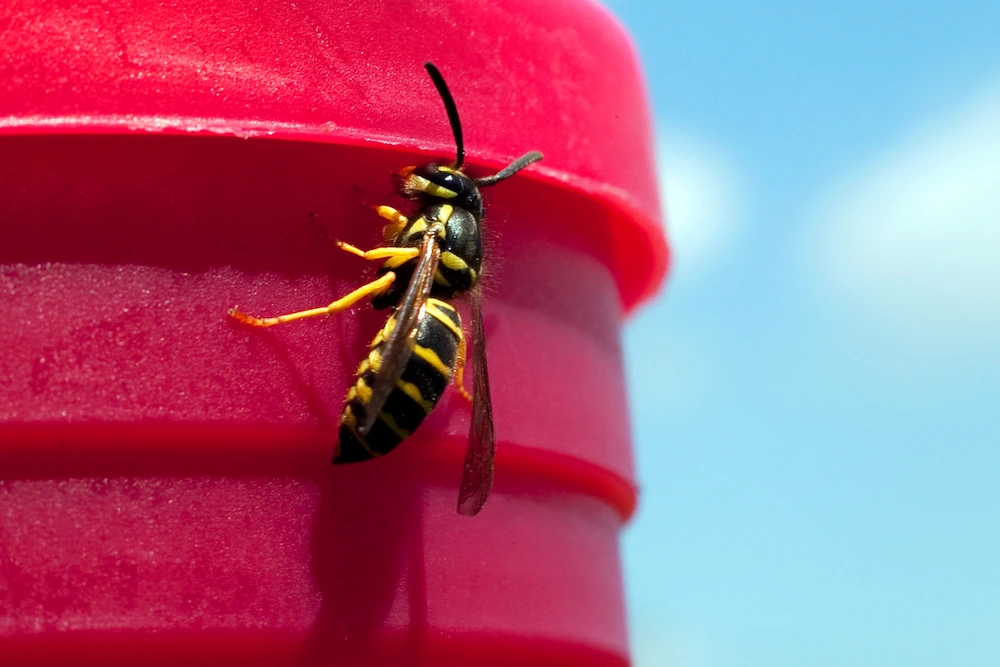
Why Do Wasps Sting People?
Assigning human emotions to insects makes for entertaining storytelling, but wasps are not angry little villains plotting revenge. Stinging is primarily a defensive behavior.
Understanding why do wasps sting people starts with recognizing the difference between foraging and nest defense. A wasp looking for food generally has little reason to sting someone. A wasp that believes its nest or itself is under attack has a much stronger reason to defend itself.
This distinction is important around hidden nests. Yellowjackets, for example, may nest underground in abandoned burrows or other cavities. A homeowner mowing the lawn may get surprisingly close without realizing a colony is beneath their feet.
Not Every Wasp Species Behaves the Same Way
One of the biggest common misconceptions about wasps is treating every species as if it has the same temperament and lifestyle. Paper wasps, yellowjackets, hornets, mud daubers, and other wasps differ in nesting behavior and defensive tendencies.
Some solitary wasps are rarely interested in interacting with people. Social species have colonies to protect, making activity around their nests a greater concern.
This is also why proper identification matters. What looks like a “wasp problem” from a distance may require a very different response depending on the species and where its nest is located.
Myth #4: Every Yellow-and-Black Insect Is a Wasp
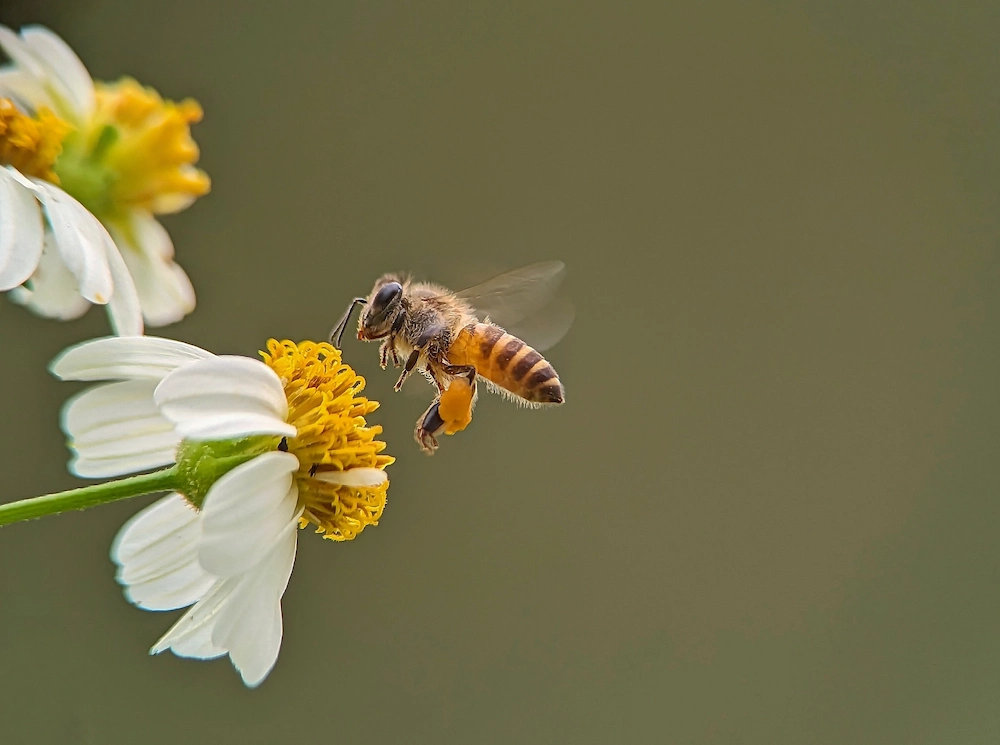
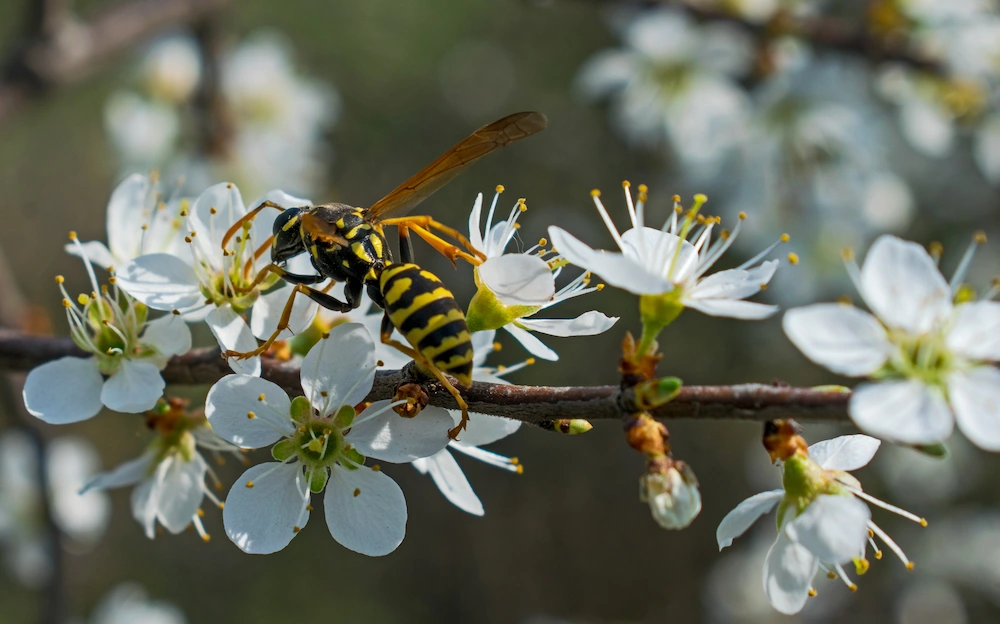
Bees and wasps are frequently confused, especially when an insect is moving quickly. Color alone is not enough to identify what is flying around your yard.
Many wasps have narrower waists and smoother-looking bodies, while bees often appear fuzzier. Even then, trying to make an identification while an insect circles your head is not exactly ideal.
Instead, pay attention to behavior and nesting location from a safe distance. Repeated flight to the same opening is particularly useful information because it may reveal where a colony is established.
Accurate identification helps determine whether control is necessary and what approach makes sense. It also prevents beneficial insects from being disturbed unnecessarily.
Myth #5: All Wasps Are Useless Pests
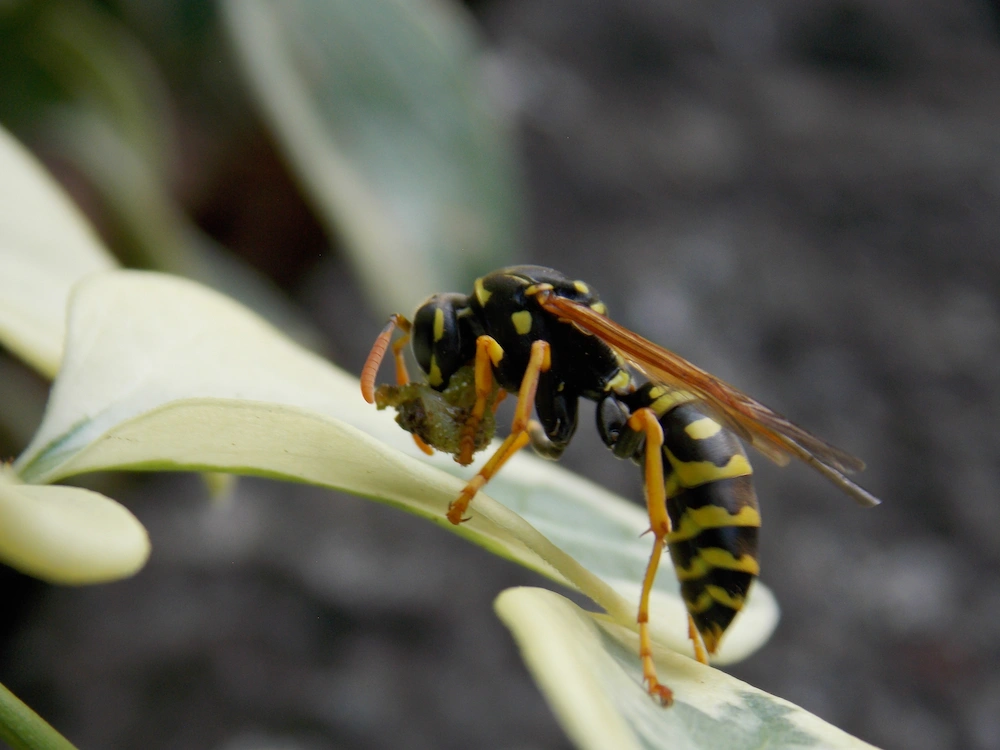
Wasps are definitely unwelcome when they build a nest beside your front door. Outdoors and away from high-traffic areas, however, they have an important ecological role.
Many wasps prey on insects, including caterpillars, flies, beetles, and other potential garden pests. In that sense, they provide a form of natural pest management. Some species also visit flowers and can contribute to pollination while searching for nectar.
These wasp behavior facts do not mean you should ignore a dangerous nest. They simply explain why seeing an occasional wasp outdoors does not automatically mean your property has an infestation.
The location of the activity matters. A wasp hunting insects across the garden is one thing. Dozens repeatedly entering a hole beside the patio are another.
Myth #6: If You Knock Down a Nest, the Problem Is Solved
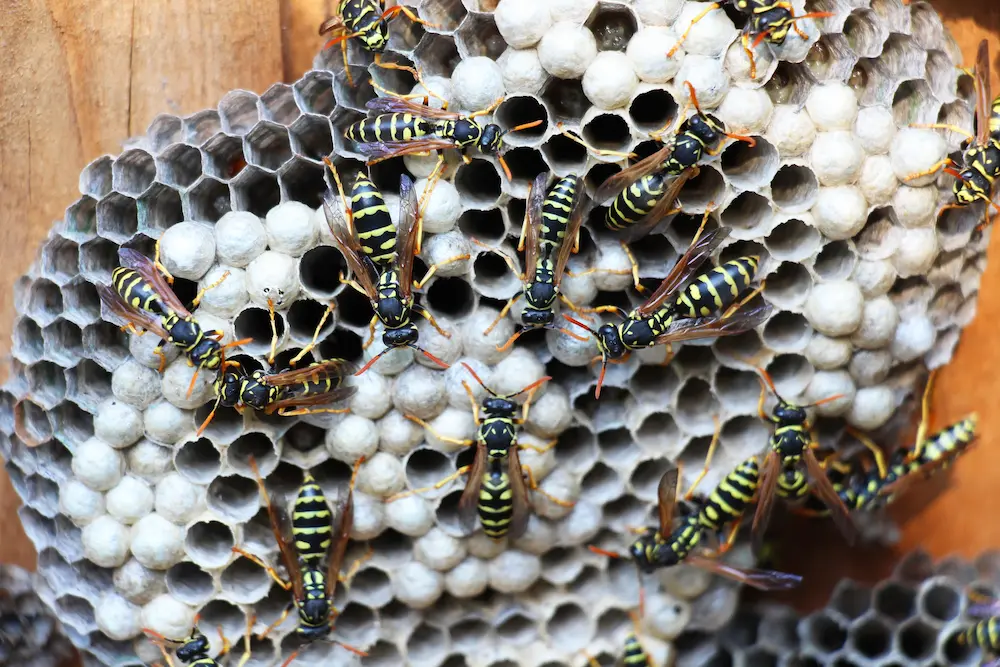
Finding a nest and immediately reaching for a broom may seem like a quick solution. Unfortunately, removing the visible structure does not always mean you have safely addressed the colony.
An active nest can contain defensive workers, and disturbing it may provoke them. Some nests are also concealed inside wall voids, underground spaces, or other protected locations where only part of the activity is visible.
Never block an active nest entrance in a wall or structural void without knowing what is happening inside. Trapped wasps may search for another exit, potentially creating an unwanted route into the building.
If you see frequent wasp traffic around the same part of your home, professional inspection is the safer approach. Pointe Pest Control provides pest services throughout Washington, Oregon, Idaho, and Montana, with treatment options based on the pest and property conditions.
Myth #7: Wasps Are Only a Problem in the Middle of Summer
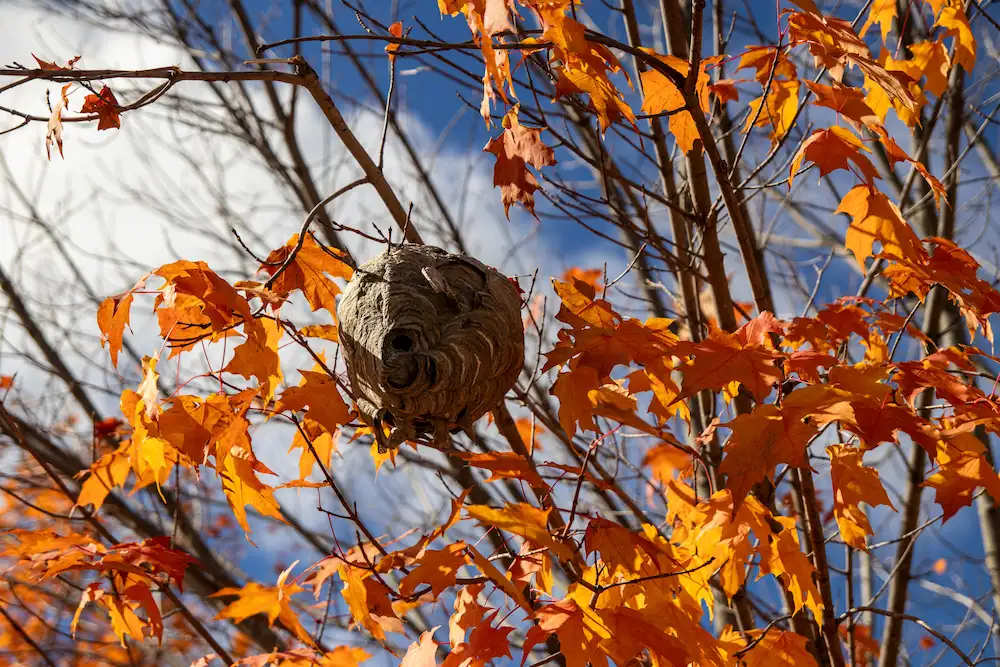
Summer is certainly prime time for stinging insects, but their seasonal cycle starts earlier than many homeowners realize. Queens begin establishing nests in spring, and colonies expand as the warmer months progress.
By late summer, a nest that started small can contain far more workers. Wasps may also become increasingly noticeable around human food as their seasonal food preferences and colony needs change.
This is why prevention and early observation are useful. A small amount of suspicious activity in spring can be easier to address than a mature colony later in the season.
How to Make Your Yard Less Attractive to Wasps
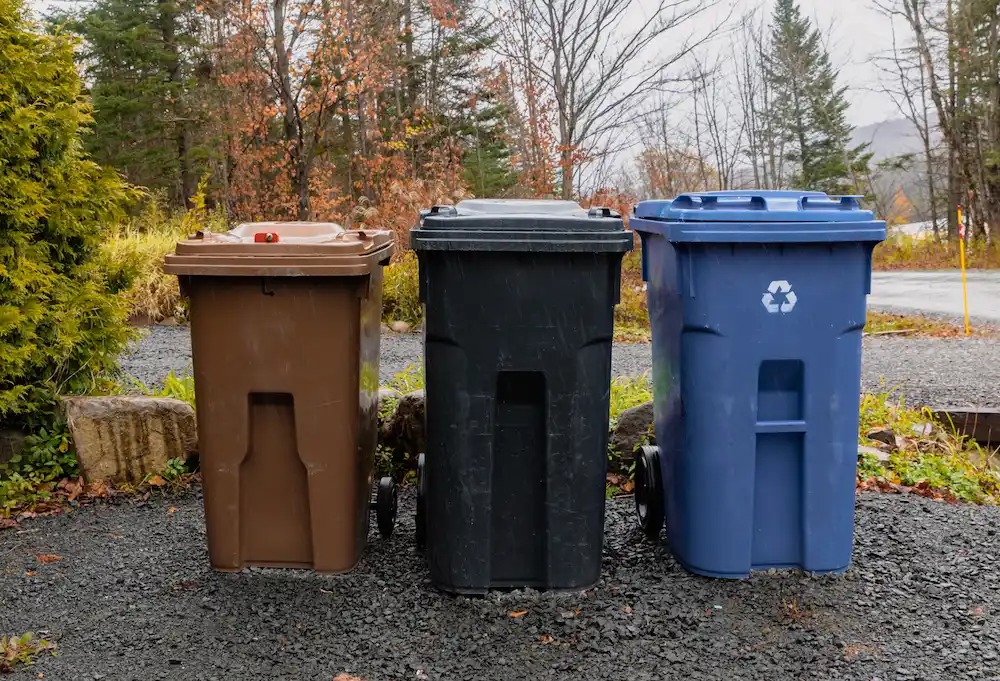
You cannot make an outdoor space completely wasp-free, nor would eliminating every beneficial wasp be desirable. What you can do is reduce the resources and nesting opportunities that encourage them to settle close to people.
A few practical prevention steps include:
- Keep outdoor trash and recycling containers tightly closed.
- Clean sugary spills and food residue after outdoor meals.
- Do not leave pet food outside for extended periods.
- Pick up fallen or overripe fruit beneath fruit trees.
- Inspect eaves, sheds, decks, and play structures for early nest activity.
- Seal appropriate cracks and structural gaps before wasps establish nests.
- Keep an eye on repeated wasp traffic entering holes in the ground or structure.
Checking your property regularly is especially helpful in spring and early summer. If you spot a small nest beginning to form, avoid disturbing it and determine whether professional removal is appropriate.
Know the Facts Before You Swat
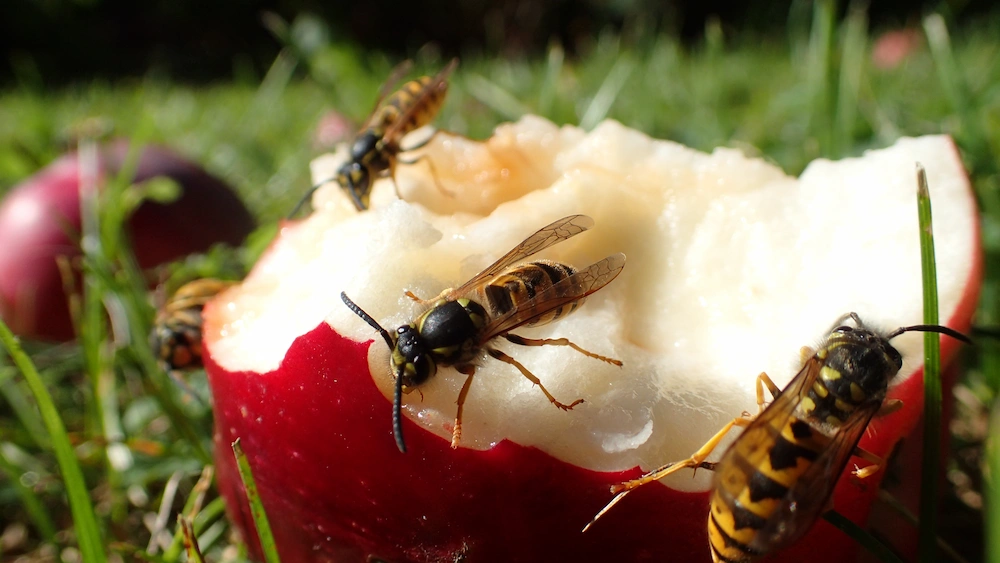
Wasps deserve respect, but they do not deserve every scary story attached to them. They do not spend their days hunting people, they are not limited to flower gardens, and an occasional wasp does not necessarily mean you have an infestation.
Knowing these common wasp myths makes it easier to recognize the activity that actually matters. Regular wasp traffic, a visible nest, or defensive insects around frequently used areas of your property are much stronger reasons for concern than one wasp checking out your lunch.
If wasps have established a nest too close for comfort, skip the risky DIY showdown. At Pointe Pest Control, our licensed team can identify the problem and recommend an appropriate approach within our professional pest control services for your property. Contact us for a free quote on our dependable services today!
Citations
Pavlis, R. (n.d.). 10 wasp myths that will surprise you. Garden Myths. Available at https://www.gardenmyths.com/10-wasp-myths-surprise-you/ (Accessed on August 12, 2026).